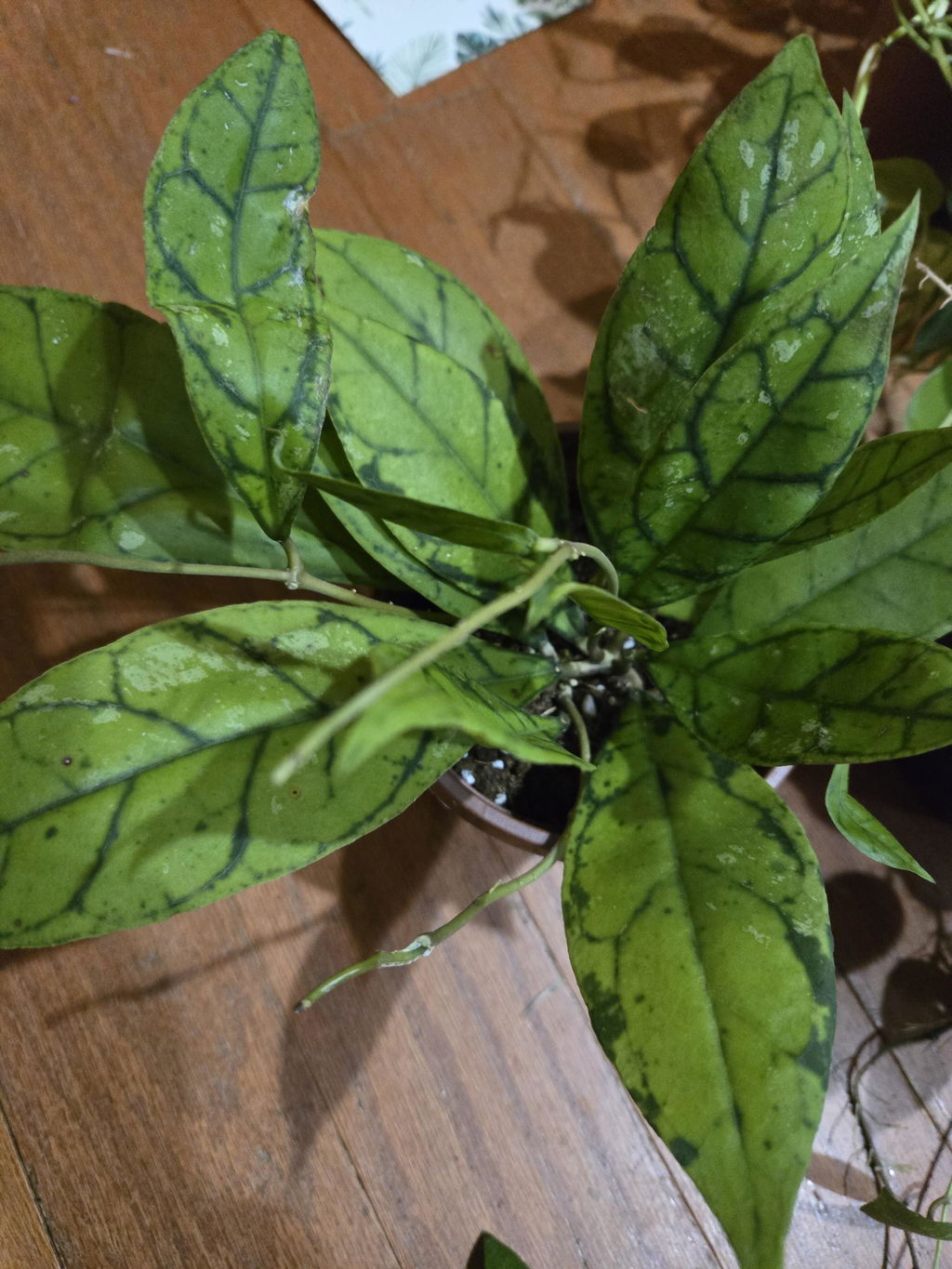

4" Hoya callistophylla
-
Live Plant Guarantee
7-day live plant guarantee
-
Expert packaging
Safe and secure
-
Grown in Florida
High quality
-
12,000+ reviews
Loved by plant people
Pickup available at Canopy HQ
Usually ready in 1 hour
Care
Care
 Bright indirect light
 Allow soil to dry almost completely
 Pet friendly
Hoya callistophylla is a force to be reckoned with! This Hoya species is extremely popular with their thick green leaves and black veins.
Hoya callistophylla is an easy to care for indoor plant. In our experience, this species grows fairly quick and blooms easily.
Commonly known as Wax Plant, Hoyas are easy to grow indoor vining plants that produce beautiful blooms.
Hoya callistophylla care:
Let the soil dry out between watering, taking care not to allow them to sit in water. Make sure to give your new Hoya plenty of bright indirect light.
Additional Hoya information:
Hoya, commonly referred to as "Wax Plant" is a genus consisting of over 500 species.
Hoyas are widely cultivated for their aromatic blooms and unique foliage.
They are native to tropical and subtropical areas all around the world. They can be found in Latin America, Asia, Australia, etc.
Mostly epiphytic, you'll find Hoyas love to climb trees in their natural habitats.
Hoyas have a large range of foliage shapes and textures. They can be found with elongated, deeply veined leaves to thin, narrow leaves and everything in between.
Most Hoya plants can be considered easy to care for. Here at Canopy Plant Co., we only ship the healthiest Hoyas from our Apopka greenhouse.
Sizing information:
Plants are living organisms, so each one is unique and may vary slightly in size, fullness, color, and maturity depending on the season, growing conditions, and current availability. We do our best to match the product photos and descriptions as closely as possible while ensuring you receive a healthy, high-quality plant.

Incredible is all I have to say. Plant arrived exactly like the picture on the website. Such a reasonable price for such a coveted collector plant.
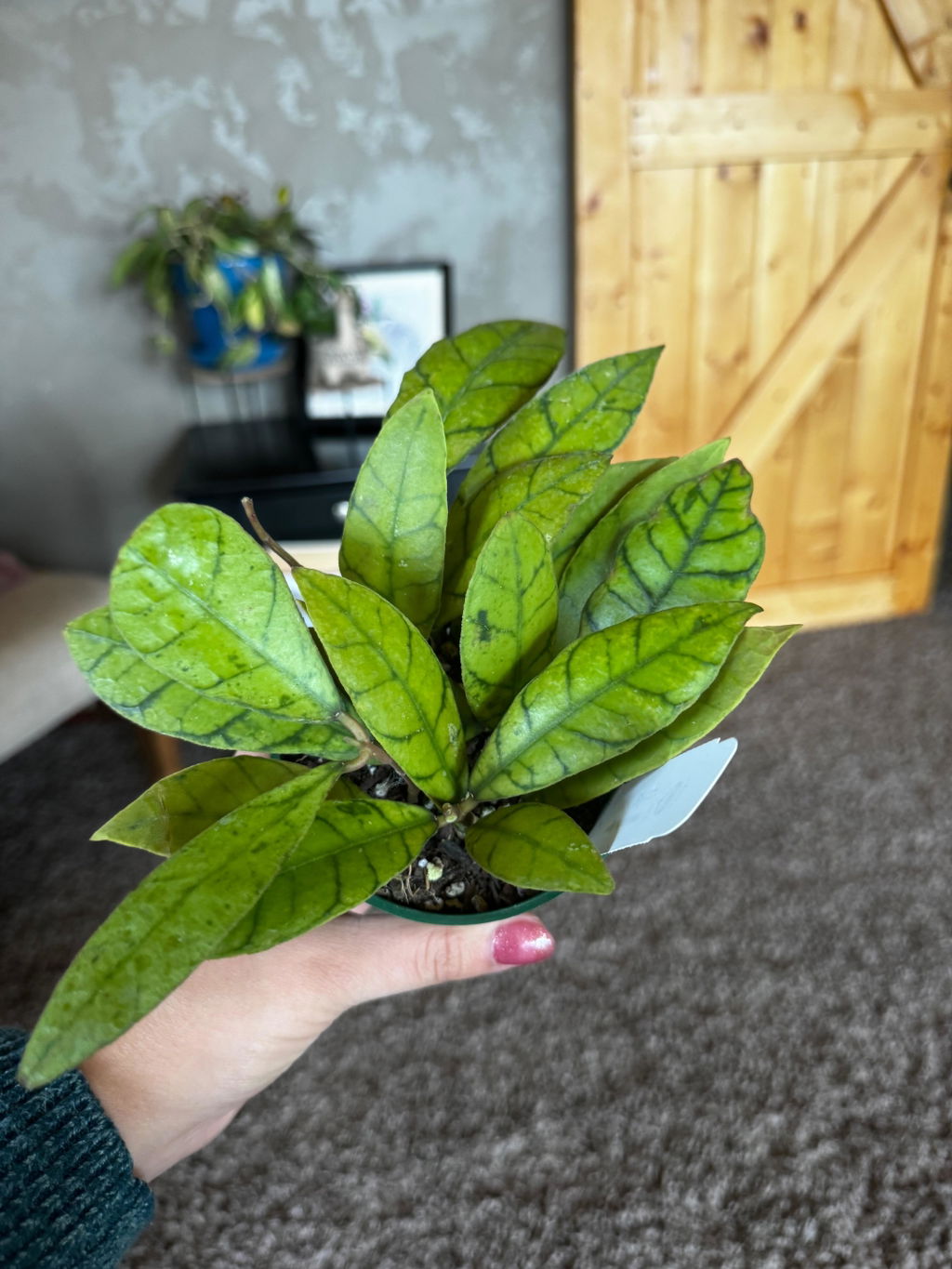
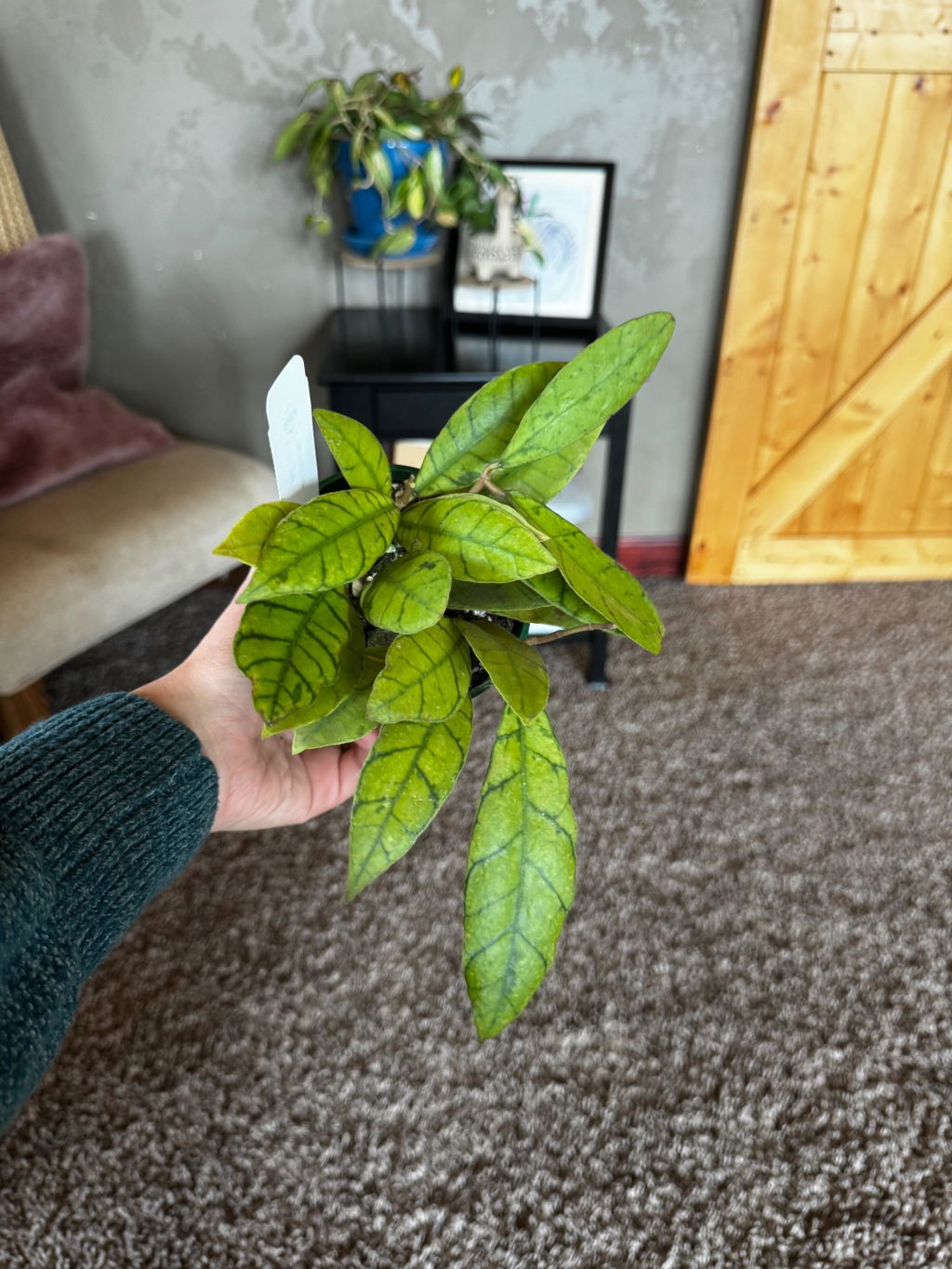
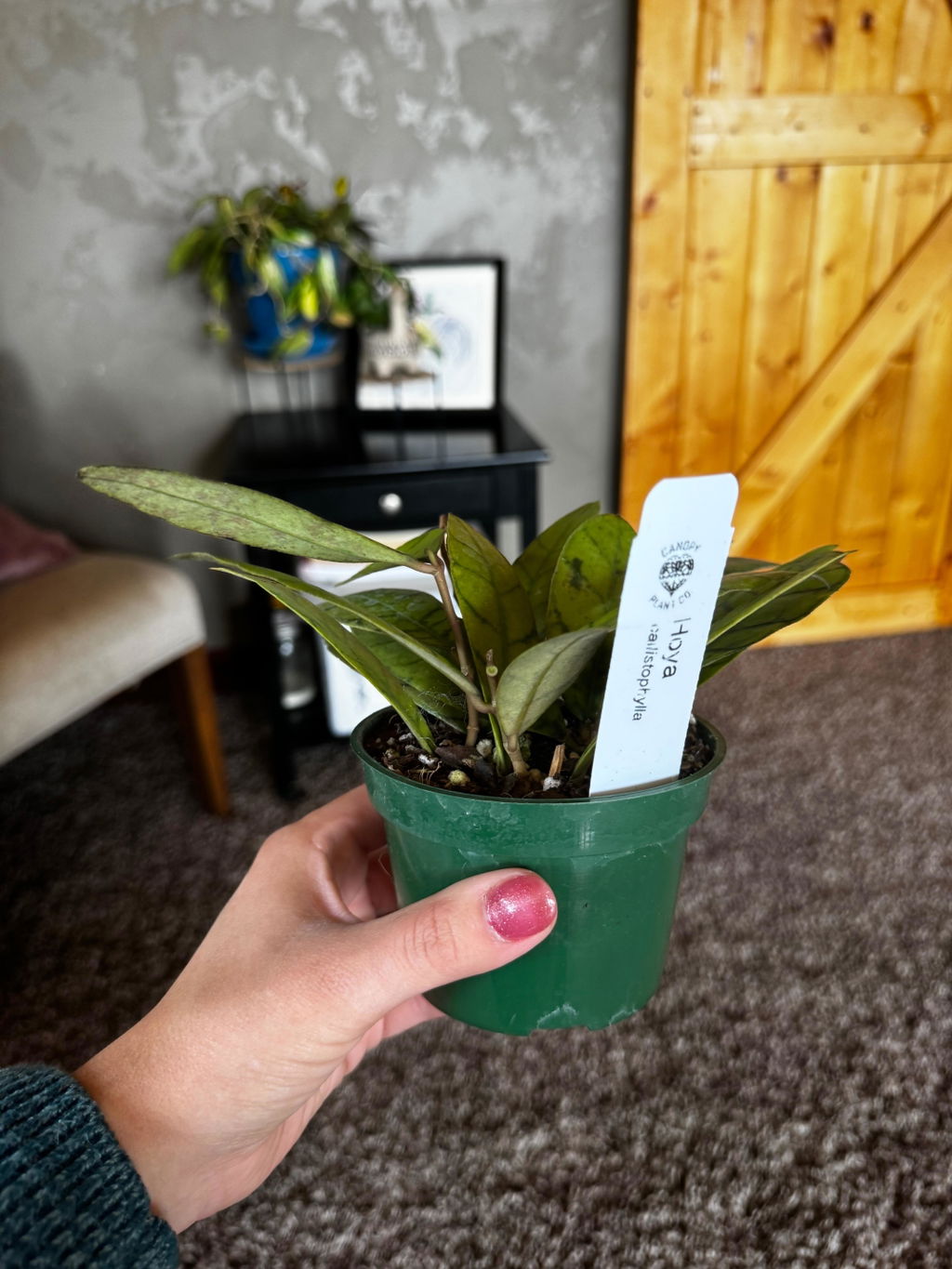
Mine arrived a bit damaged, but not dead! I submitted a claim out of concern it may die. They credited my account and were very knowledgeable about the damage I was seeing, reassuring me my new plant would recover well! I’m blown away! Thanks Canopy, I’ll be back!! The shipping was very quick too, it was about two days from ordering to when I received my order.
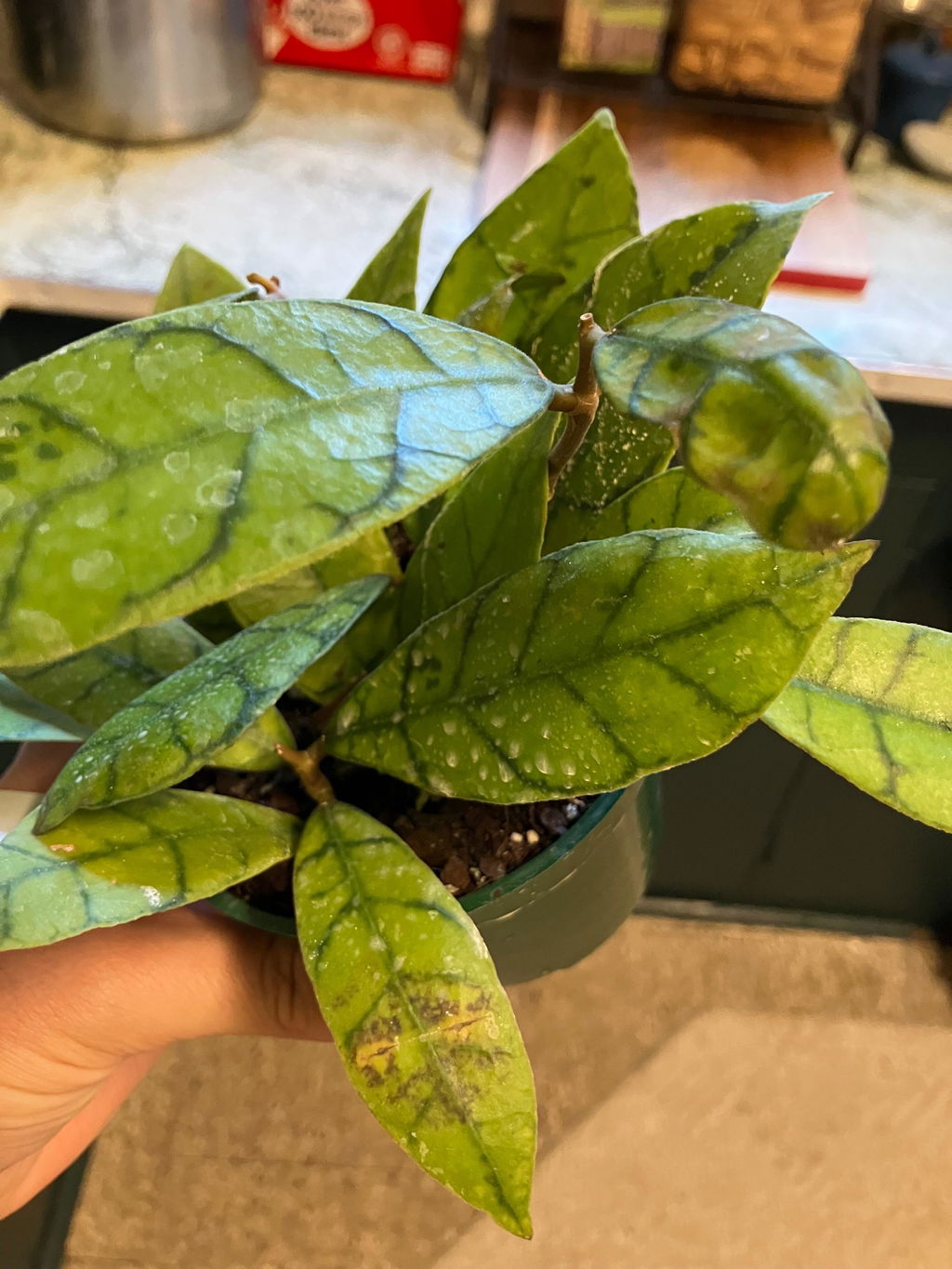
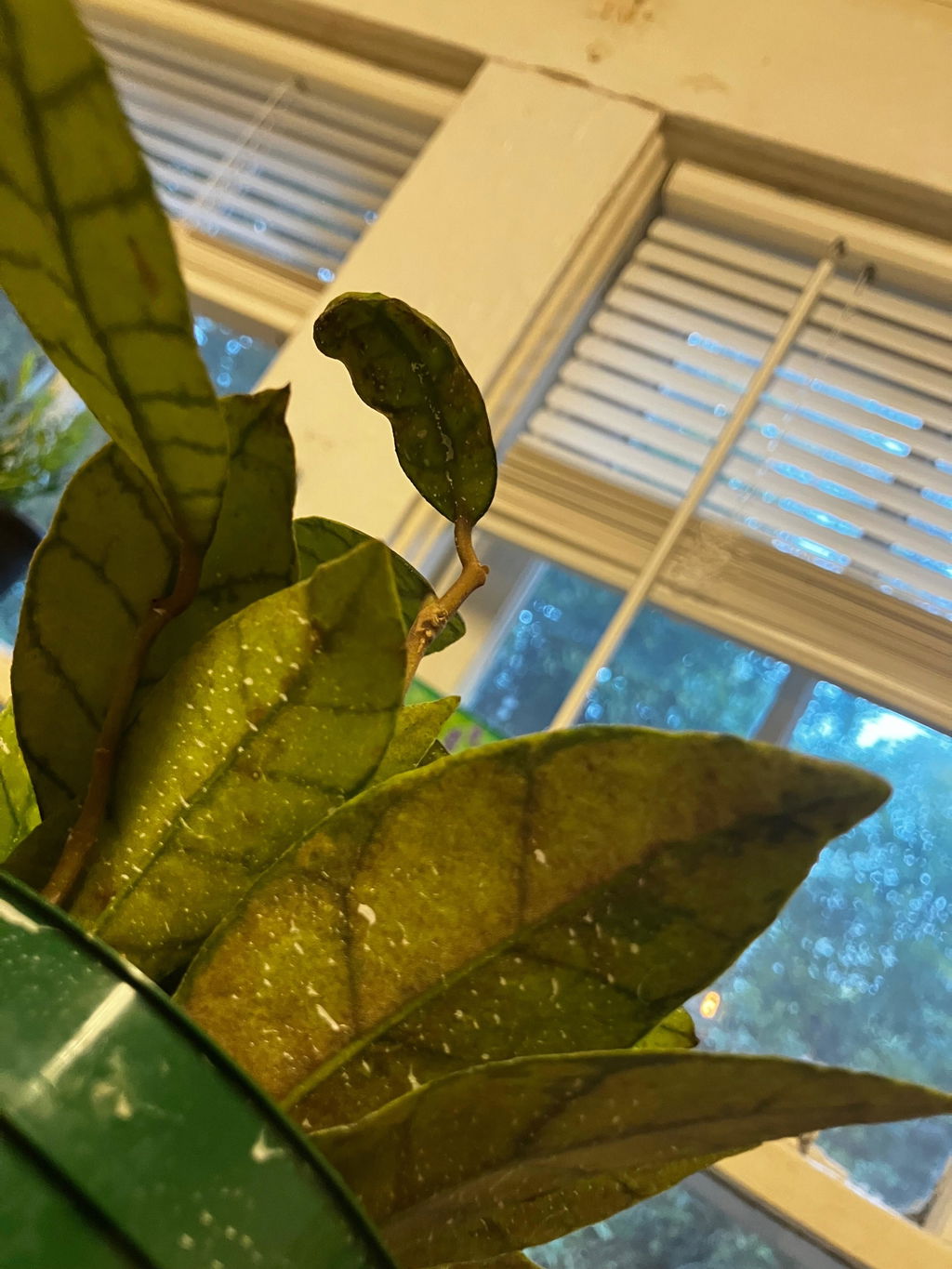
My first callistophylla didn’t handle the stress/heat of summer shipping super well and lost several leaves despite excellent packaging. Customer service was so helpful in replacing for me, and the second plant arrived even bigger and more amazing. The coloring of the leaves is so unique and fun. The thin leaves of this plant is definitely more delicate/sensitive to shipping and change in environment (dry Colorado climate) because it too lost a couple leaves over the next few weeks while settling in. It was a perfect plant from the seller, so just a note to buyers that this Hoya isn’t quite as forgiving as other thicker varieties but is still worth purchasing!
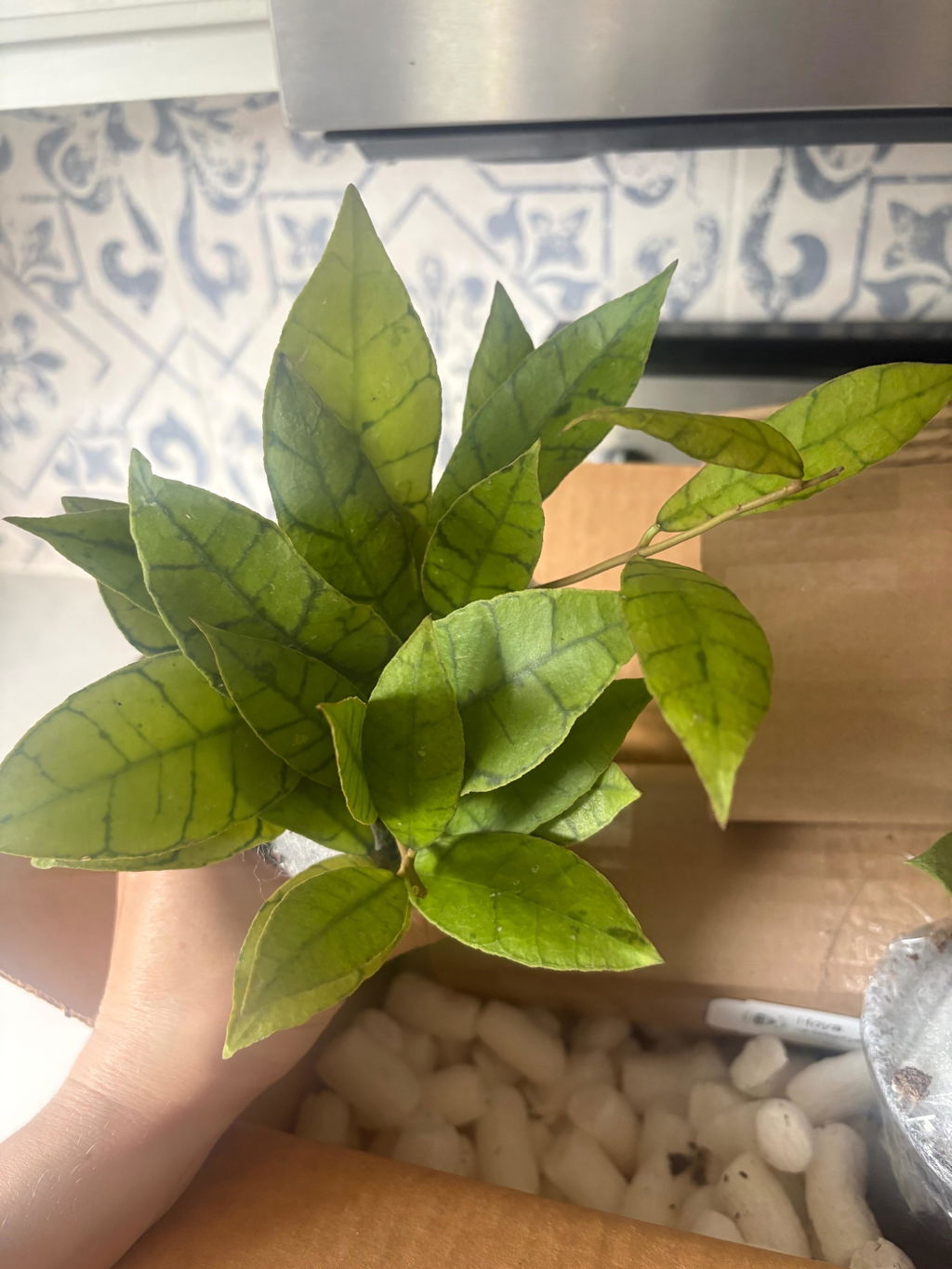
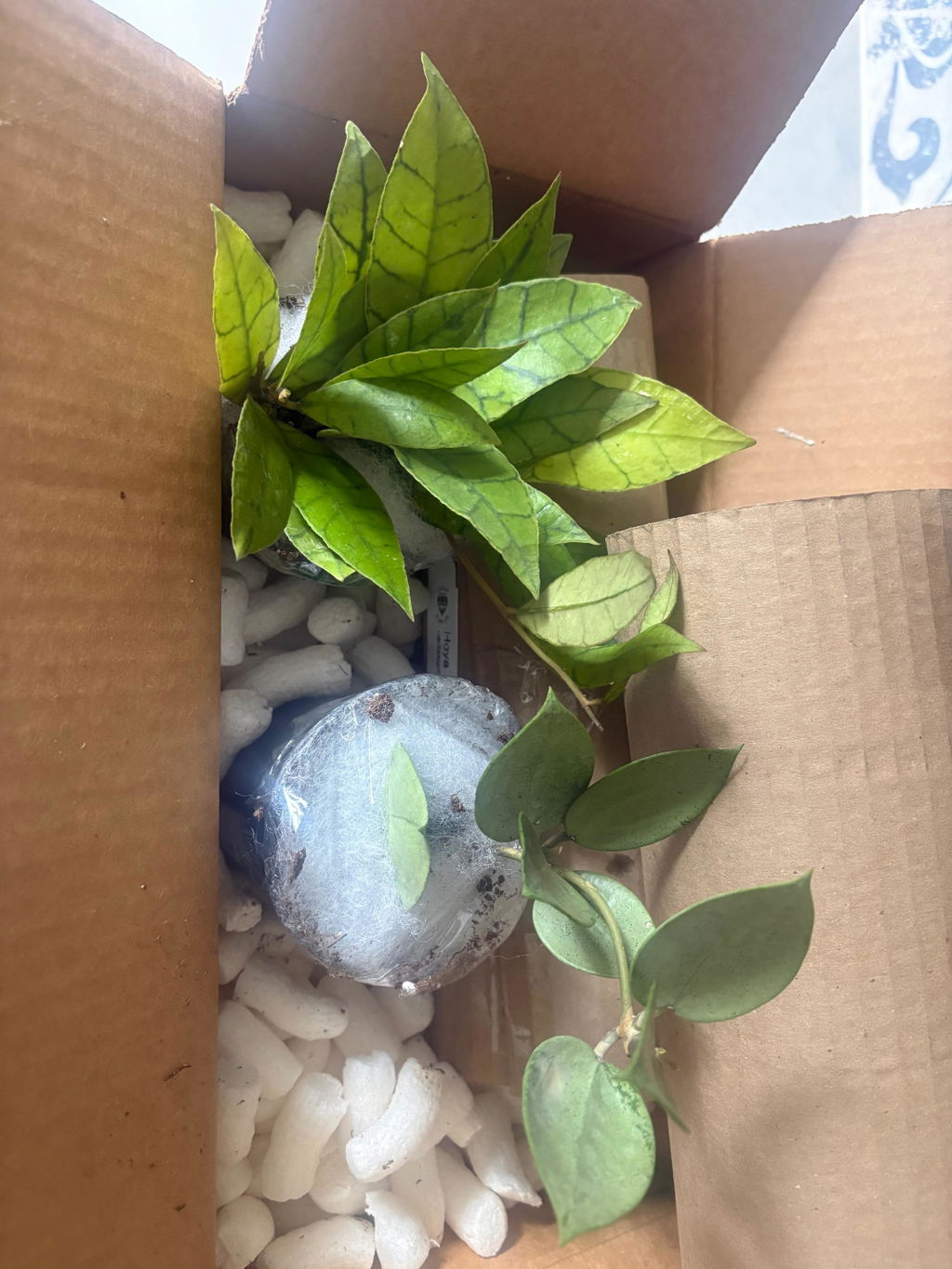
I've been searching for this plant for a while. Now this beautiful baby is home. It came fast, safe, and looking peaceful.
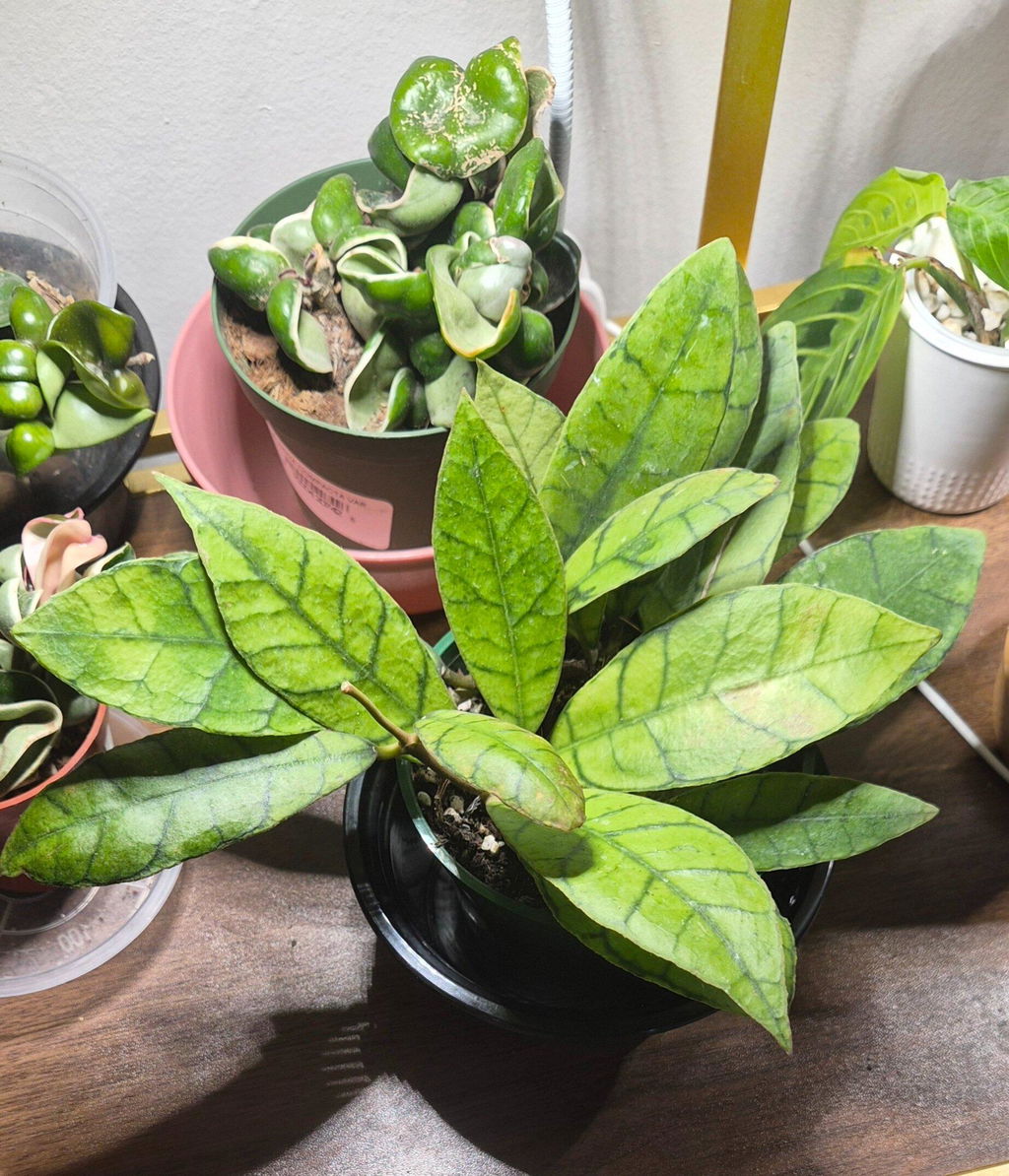
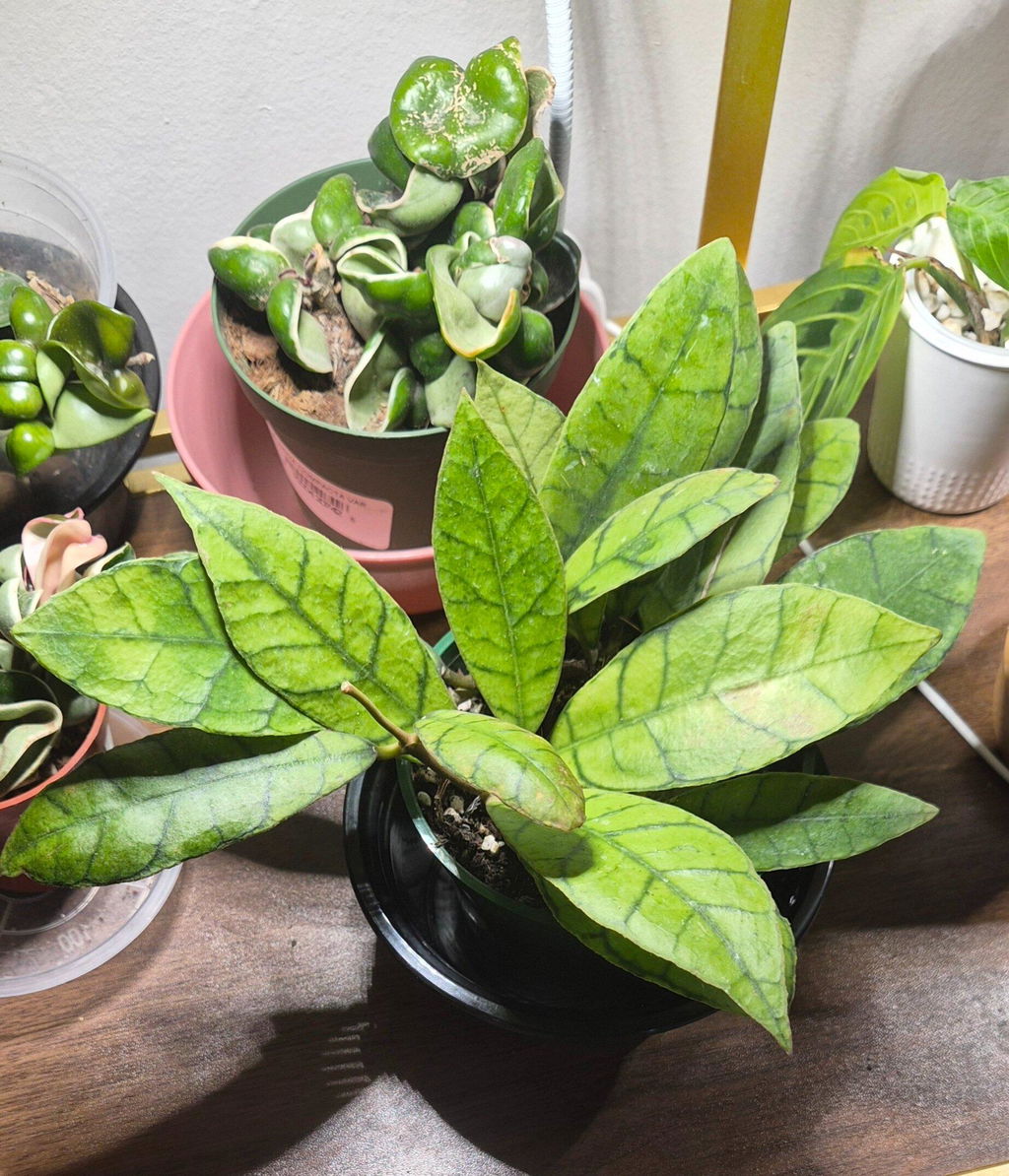
I ordered two plants to pot together however received only one, Canopy immediately sent another to make it right. Both plants were beautiful. I will always choose Canopy first when ordering online.
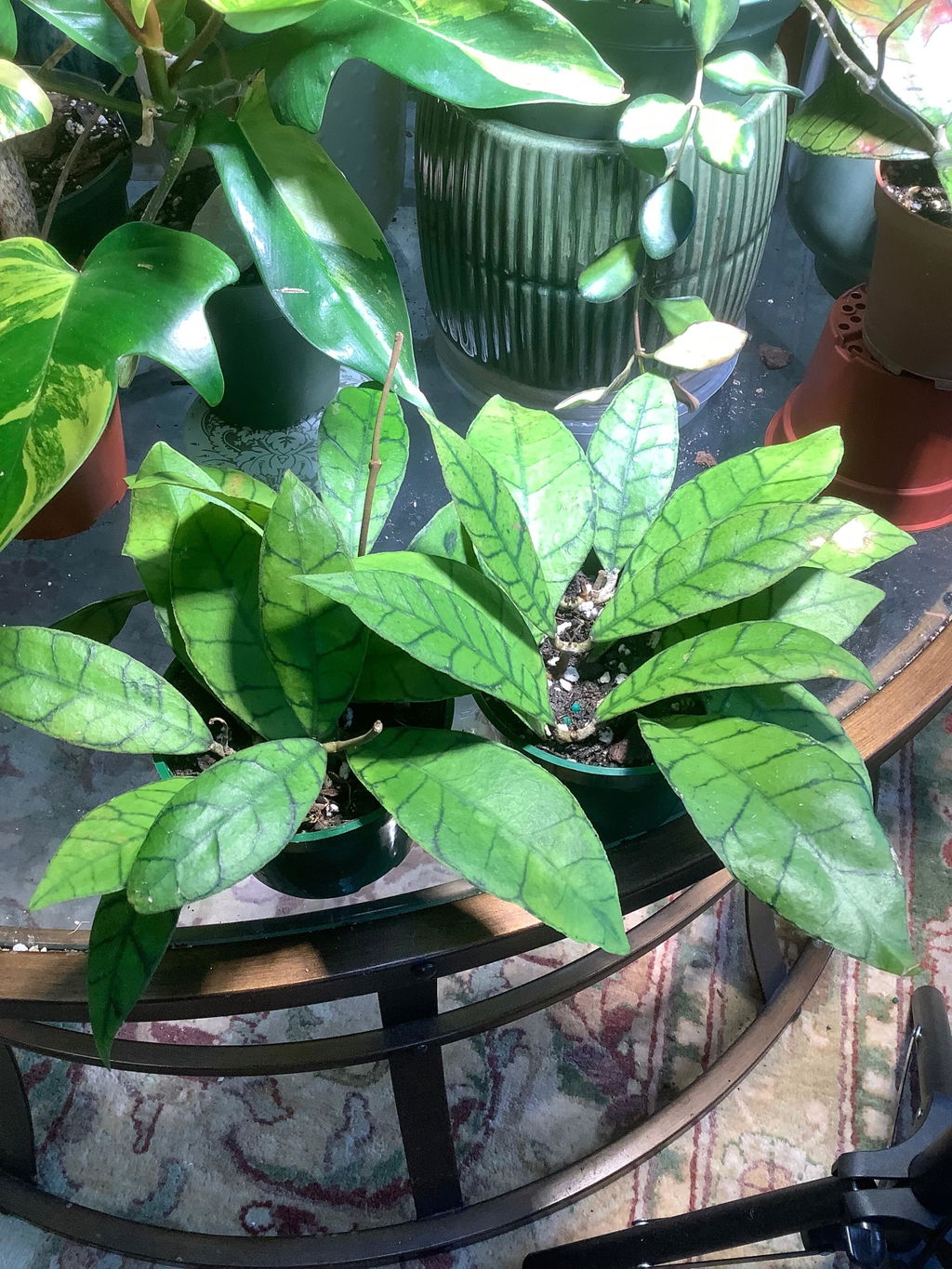
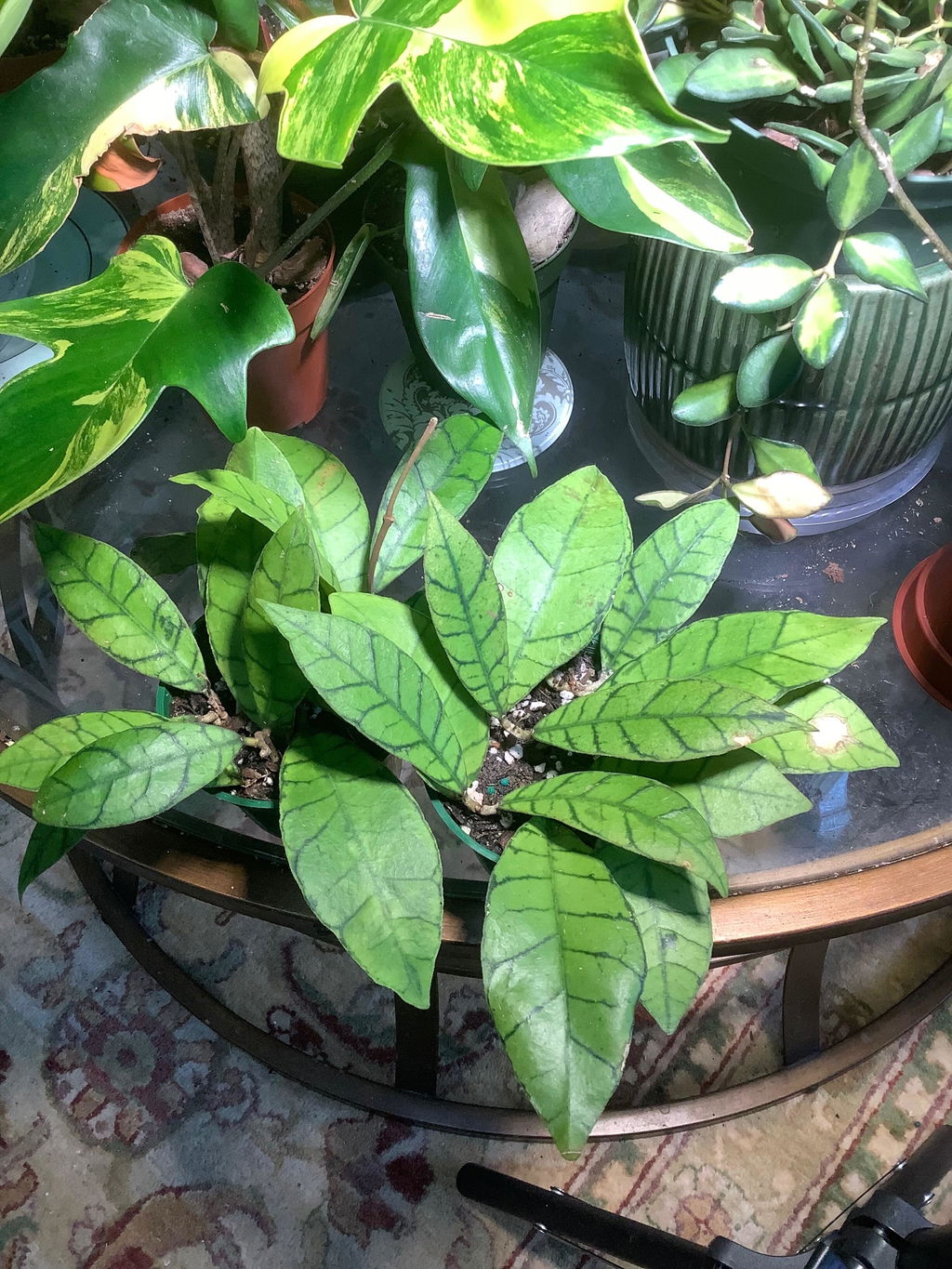
Plant arrived well packaged and beautiful.
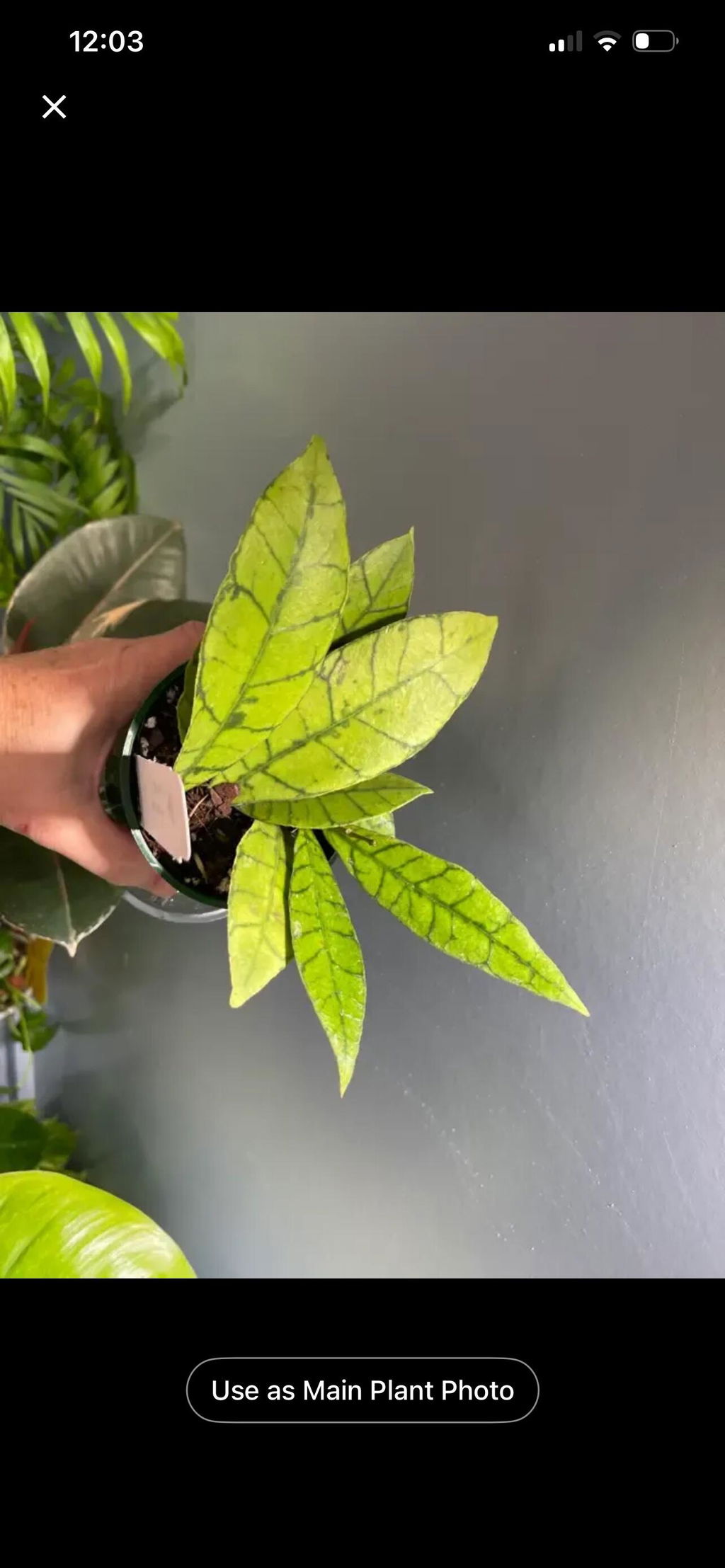
Beautiful plant well packed came in excellent condition. I’ve ordered multiple times and I will continue to order.
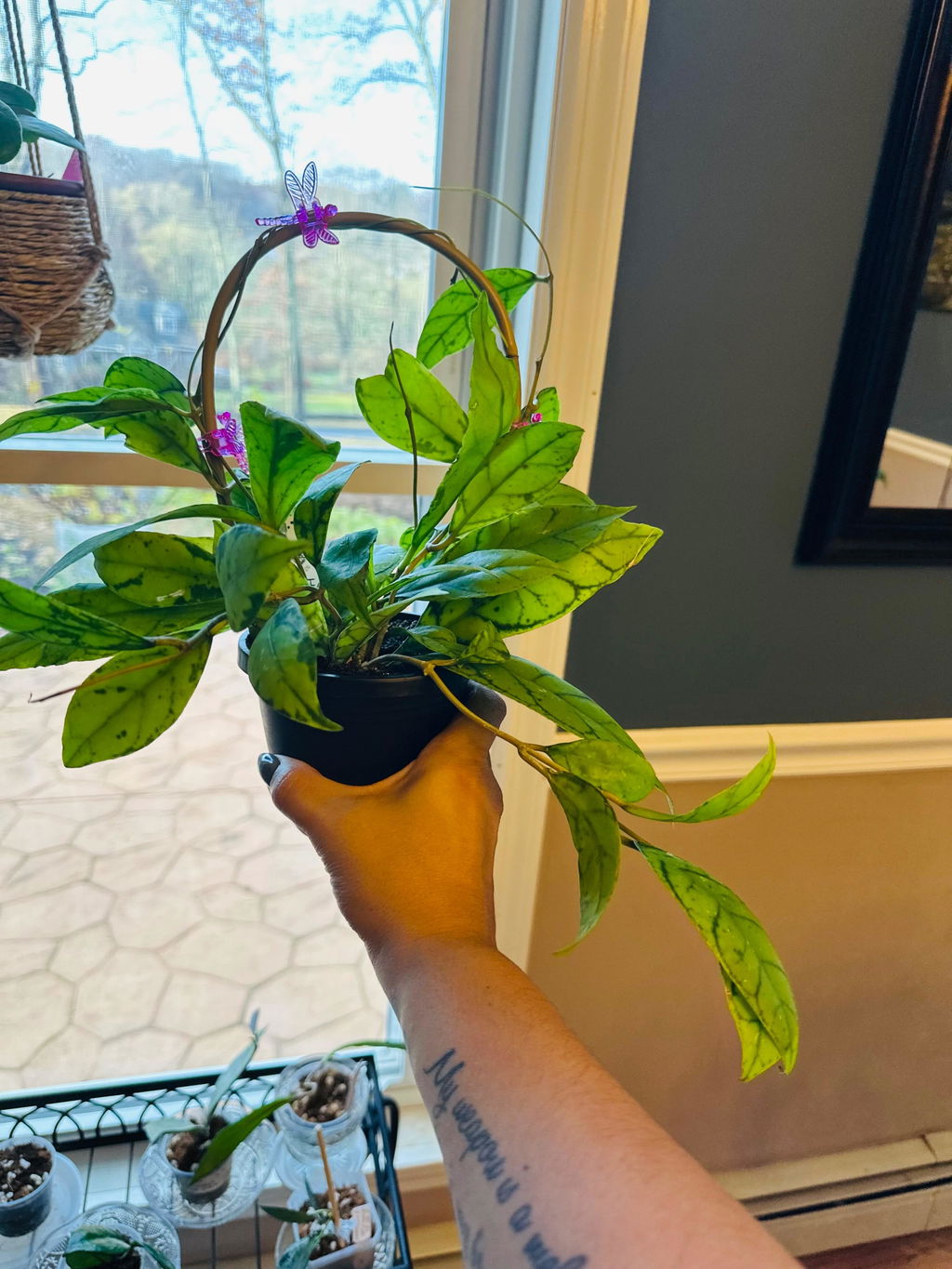
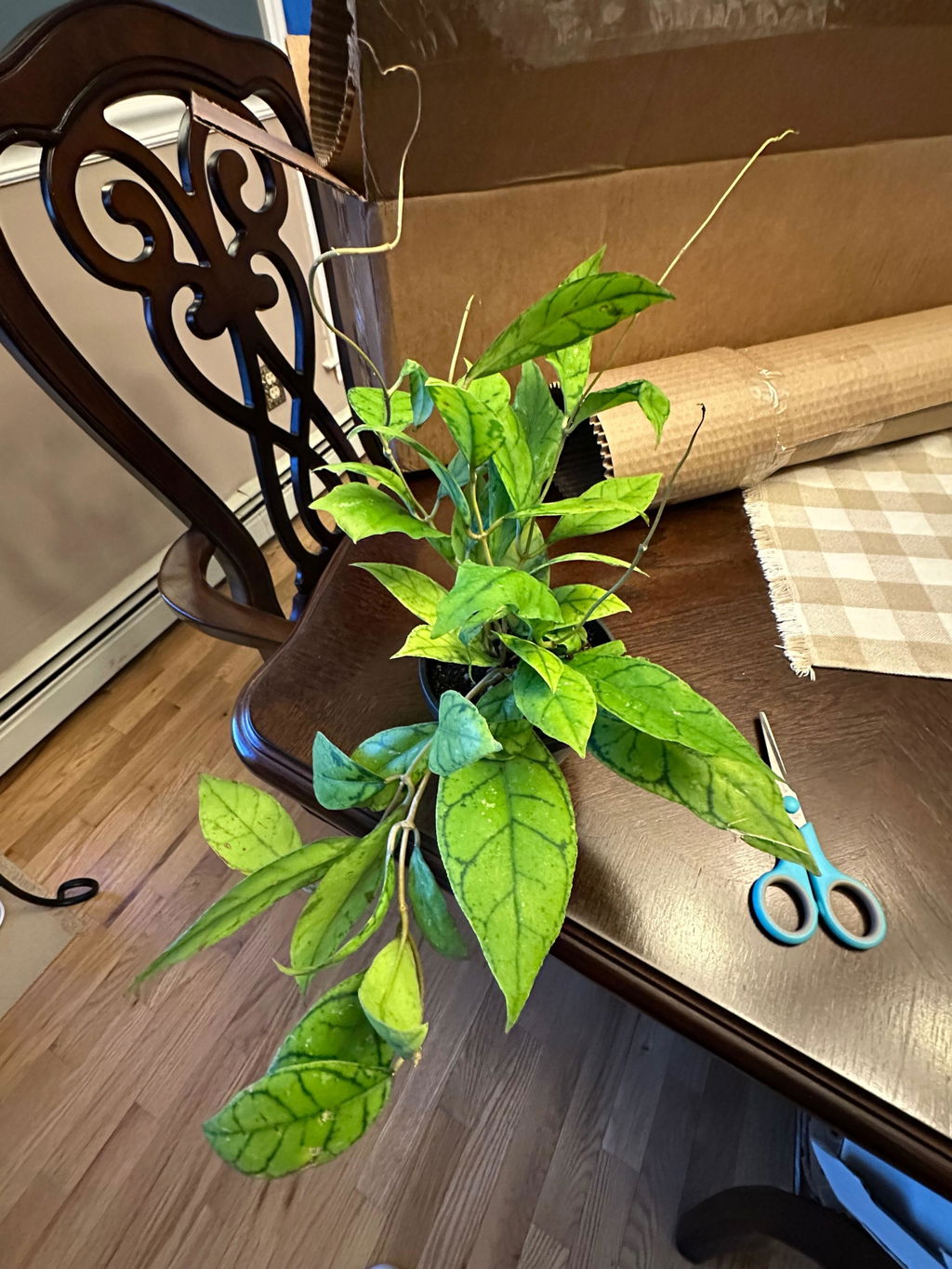
Healthy Hoya, arrived in perfect condition and a great addition to my collection!
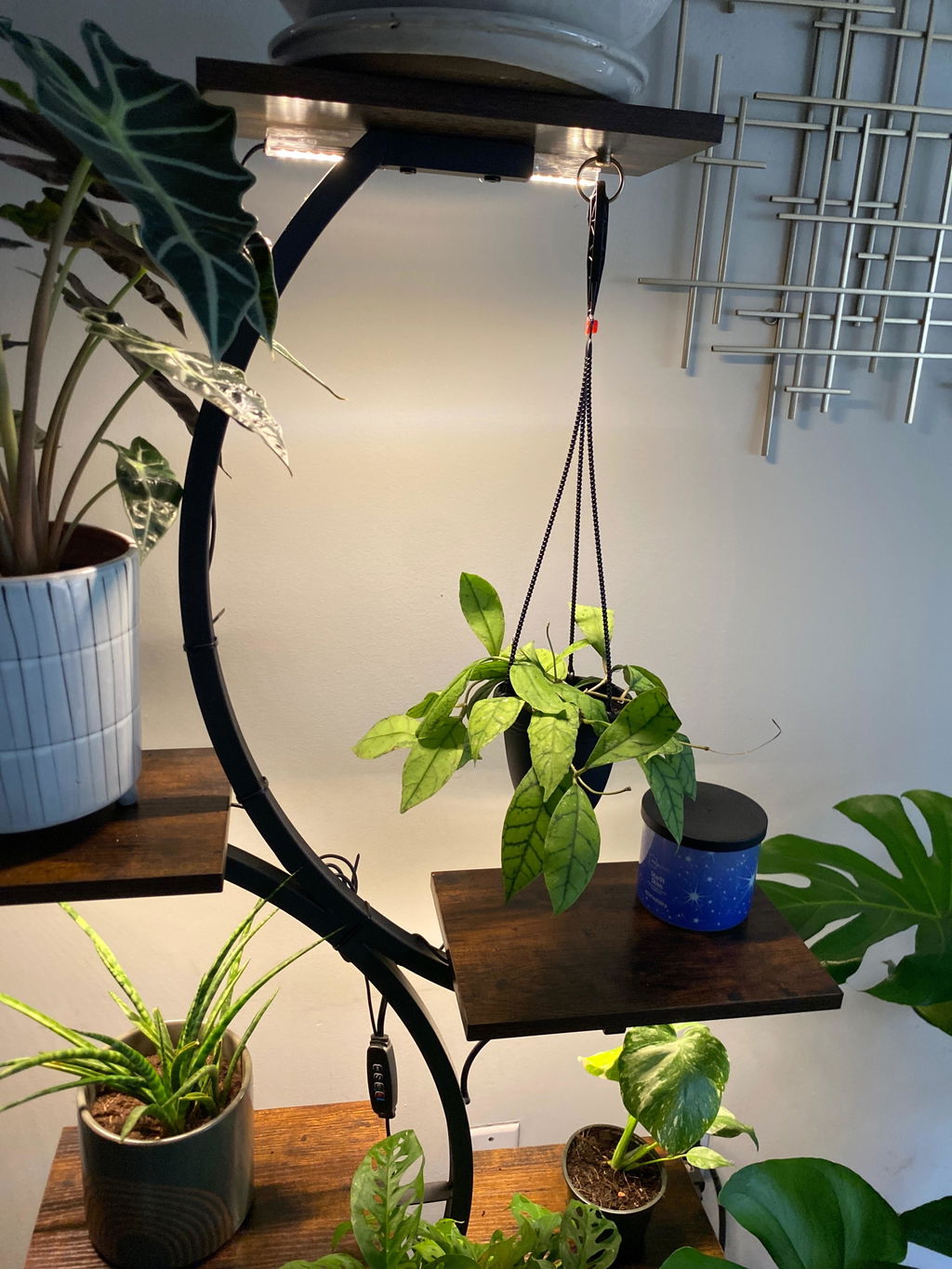
Plant arrived in great shape. Packaged and shipped well. I'm hopeful the veins on the new leaves darken a bit more in sun light or under grow lights. Nice healthy plant!
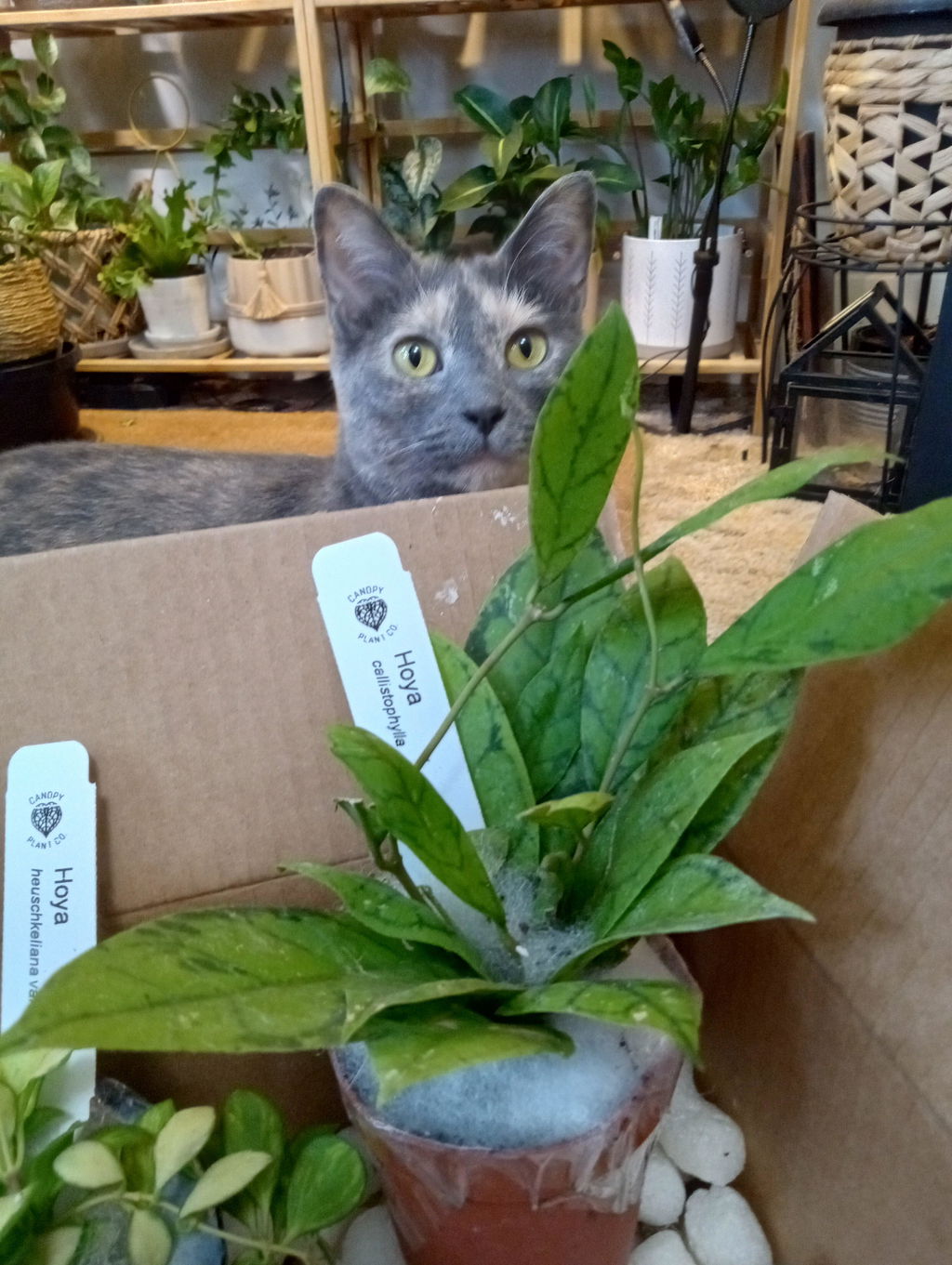
This has become my new favorite Hoya! Absolutely stunning! Freyja approves too! 😄
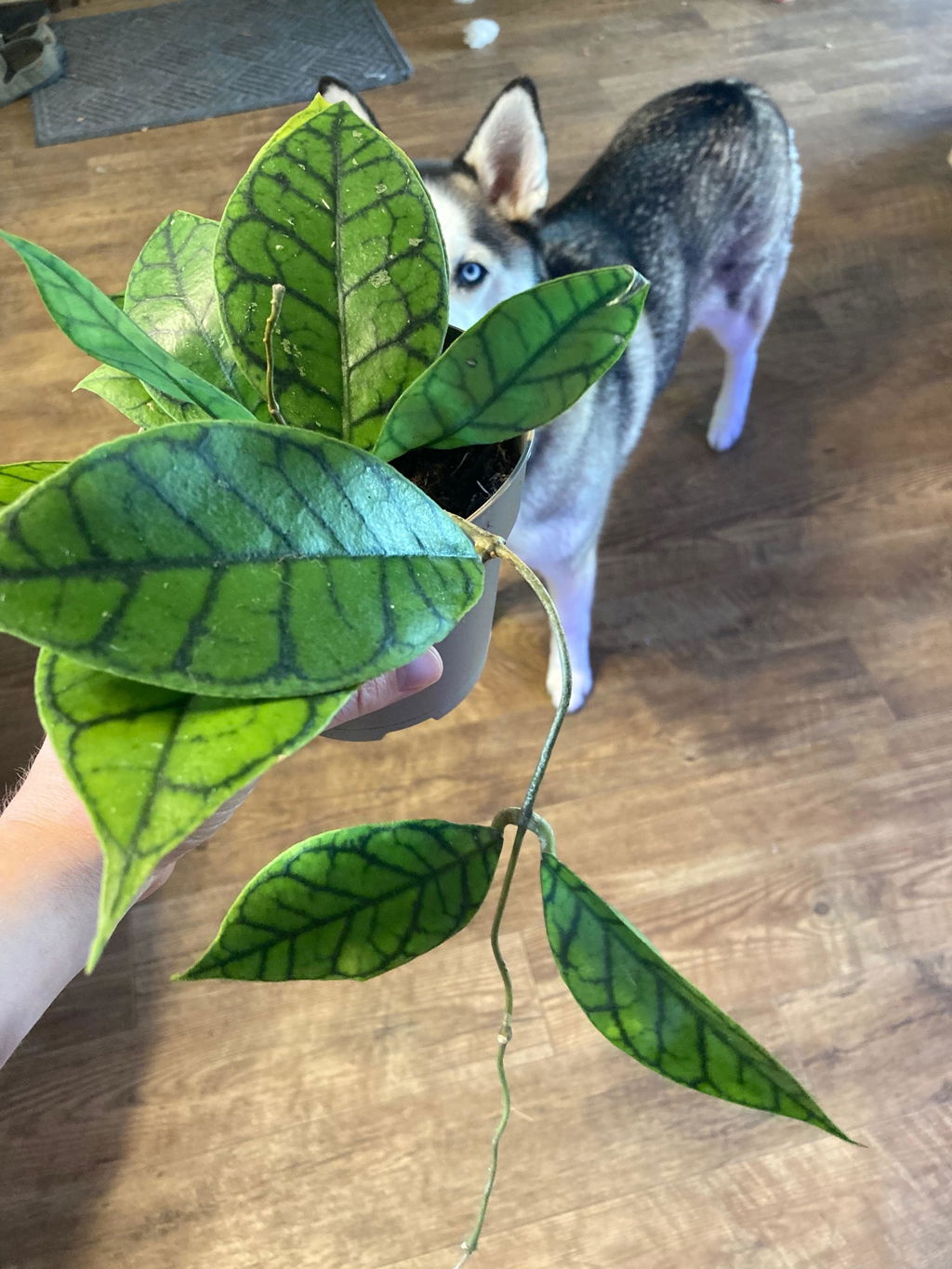
I literally gasped when I unwrapped the plant. I was not expecting this callistophylla to be so big and have so many leaves. What a beauty! Healthy and arrived well. I will treasure it.
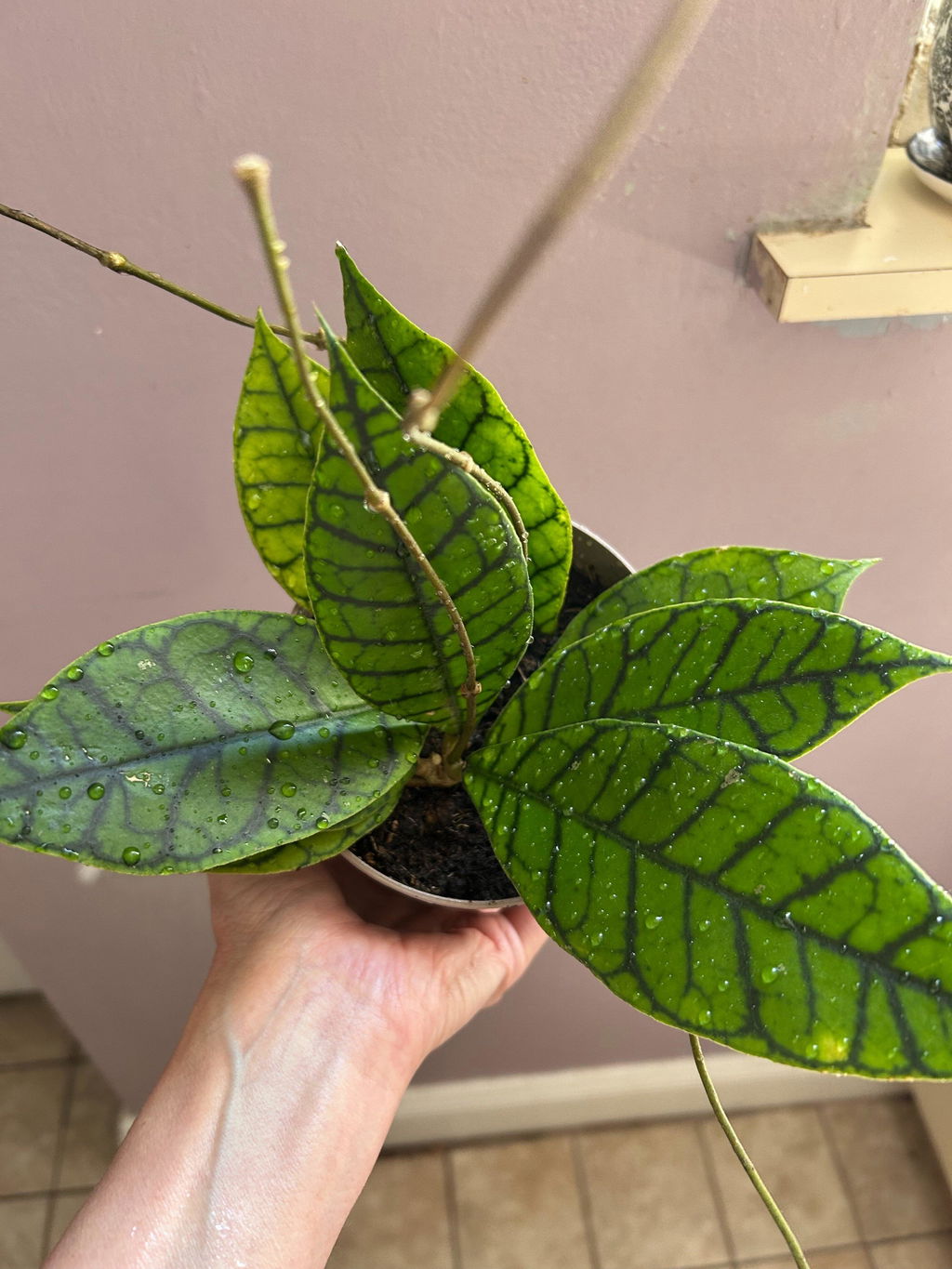
This hoya took my breath away so beautiful and it arrived in perfect condition 😍
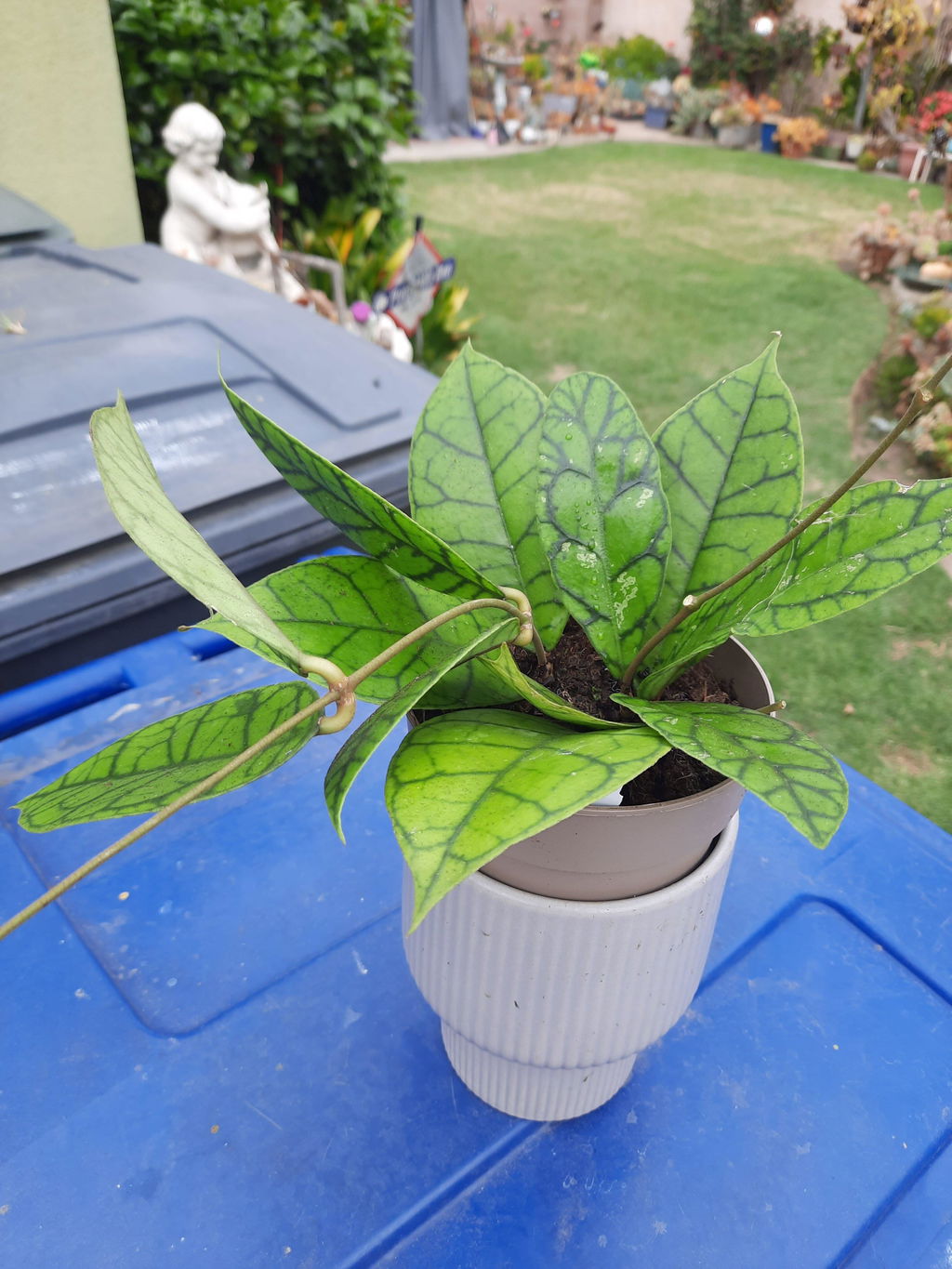
Such a gorgeous hoya! Arrived perfectly packaged with zero damage (I got lucky). Beautiful veins and color!
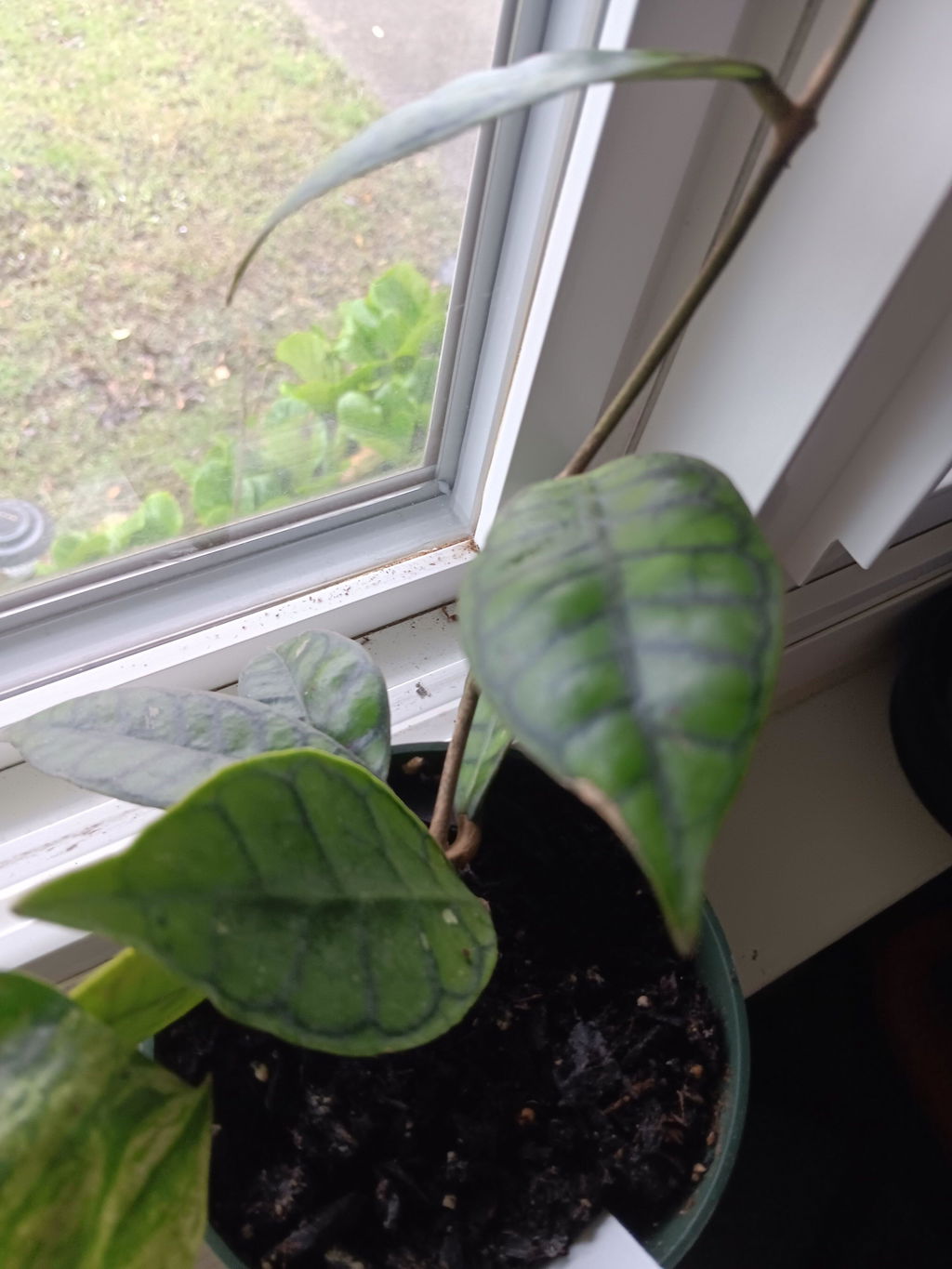
I ordered 2 new hoyas to add to my Hoya collection. Items were very well packaged and I could see that great care had been taken in shipping these plants. The beautiful deep green coloring of the callistophylla is truly a pleasure. Again, as with the Hoya elliptica I ordered at the same time, there appears to be some dark spots on the leaves. The Callistophylla is a bit smaller than the elliptica Hoya. I am hoping that with the beginning of spring and the growing season these plants put out new growth quickly and that new leaves are free of spots.
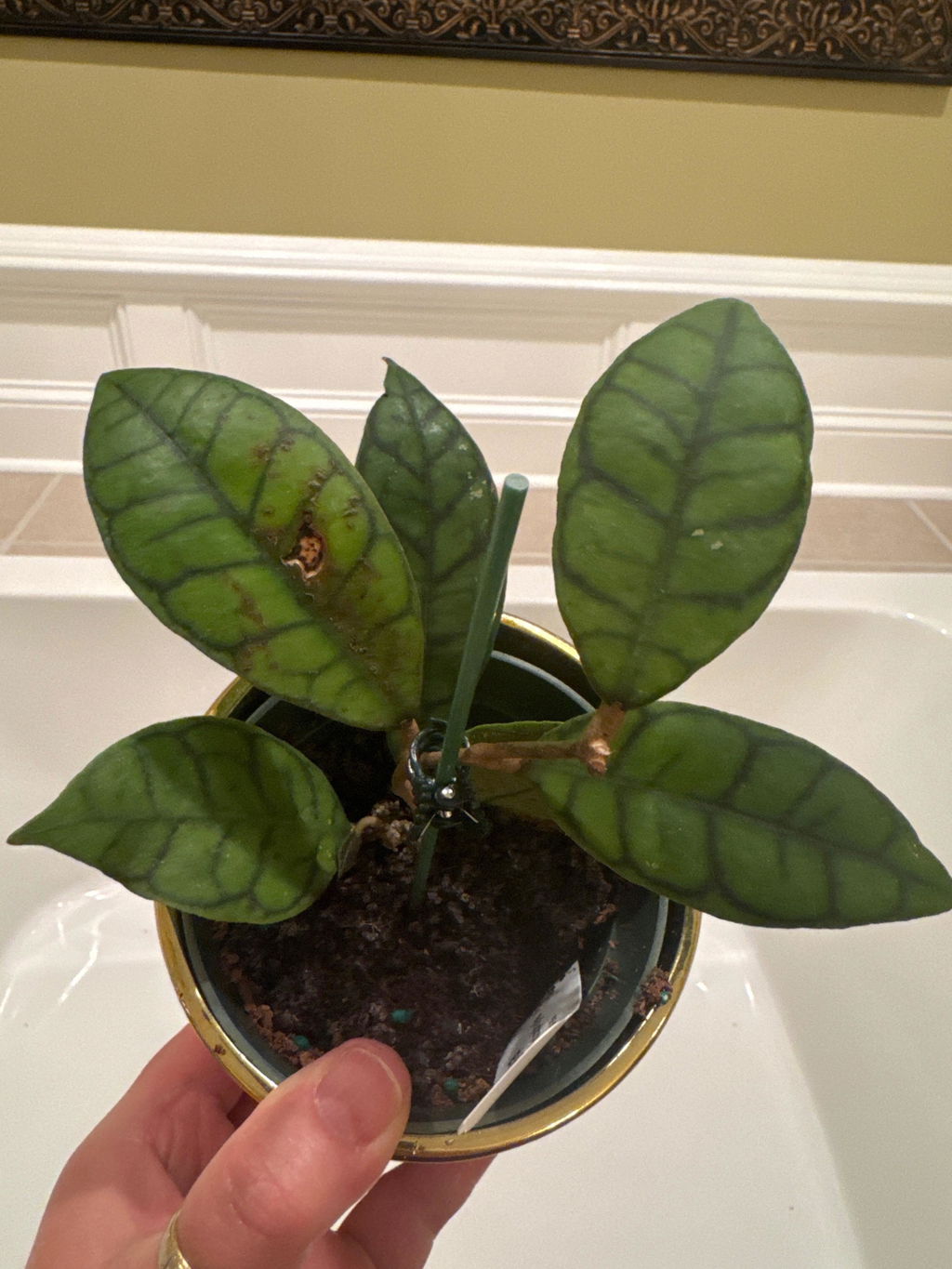
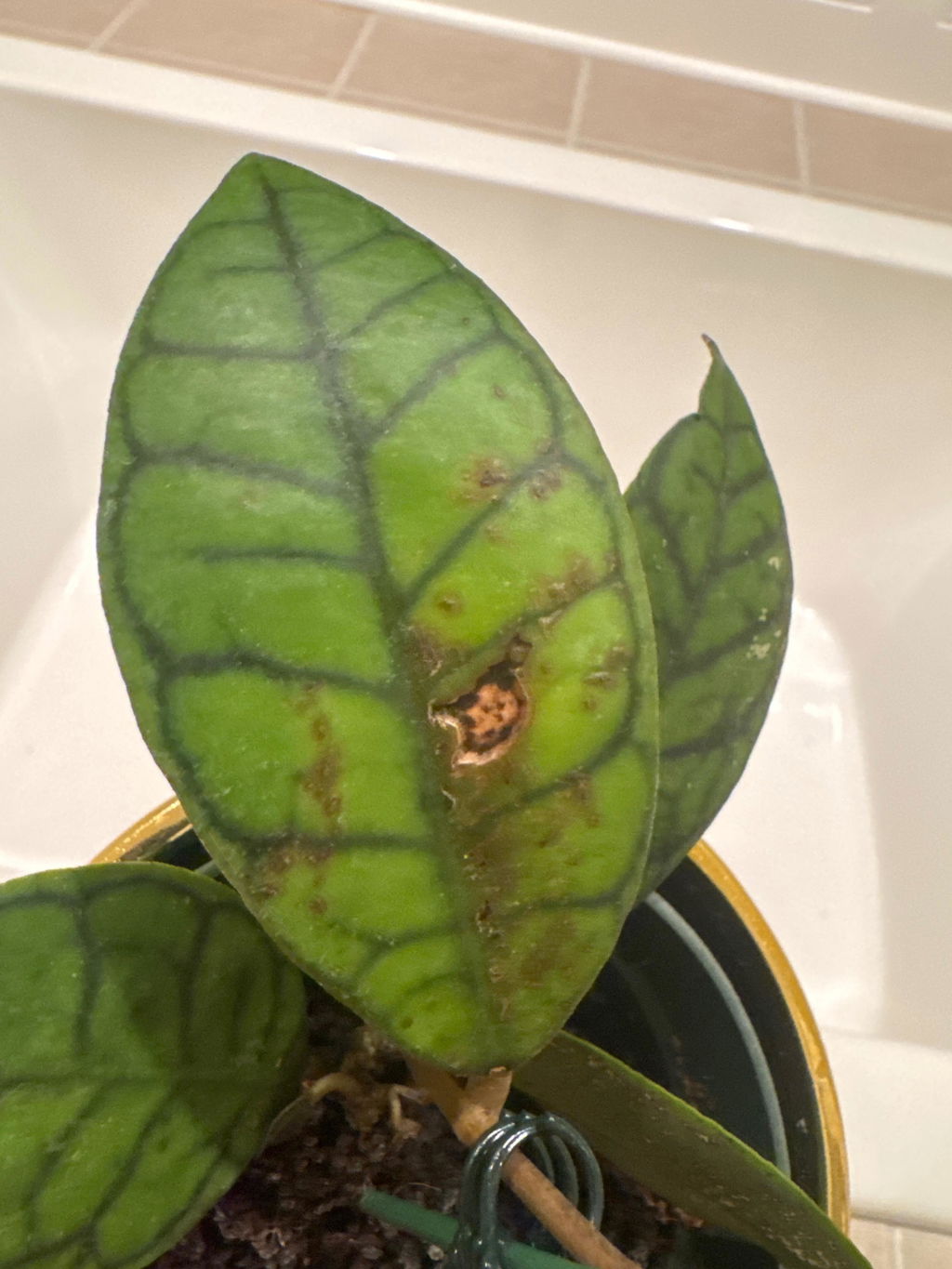
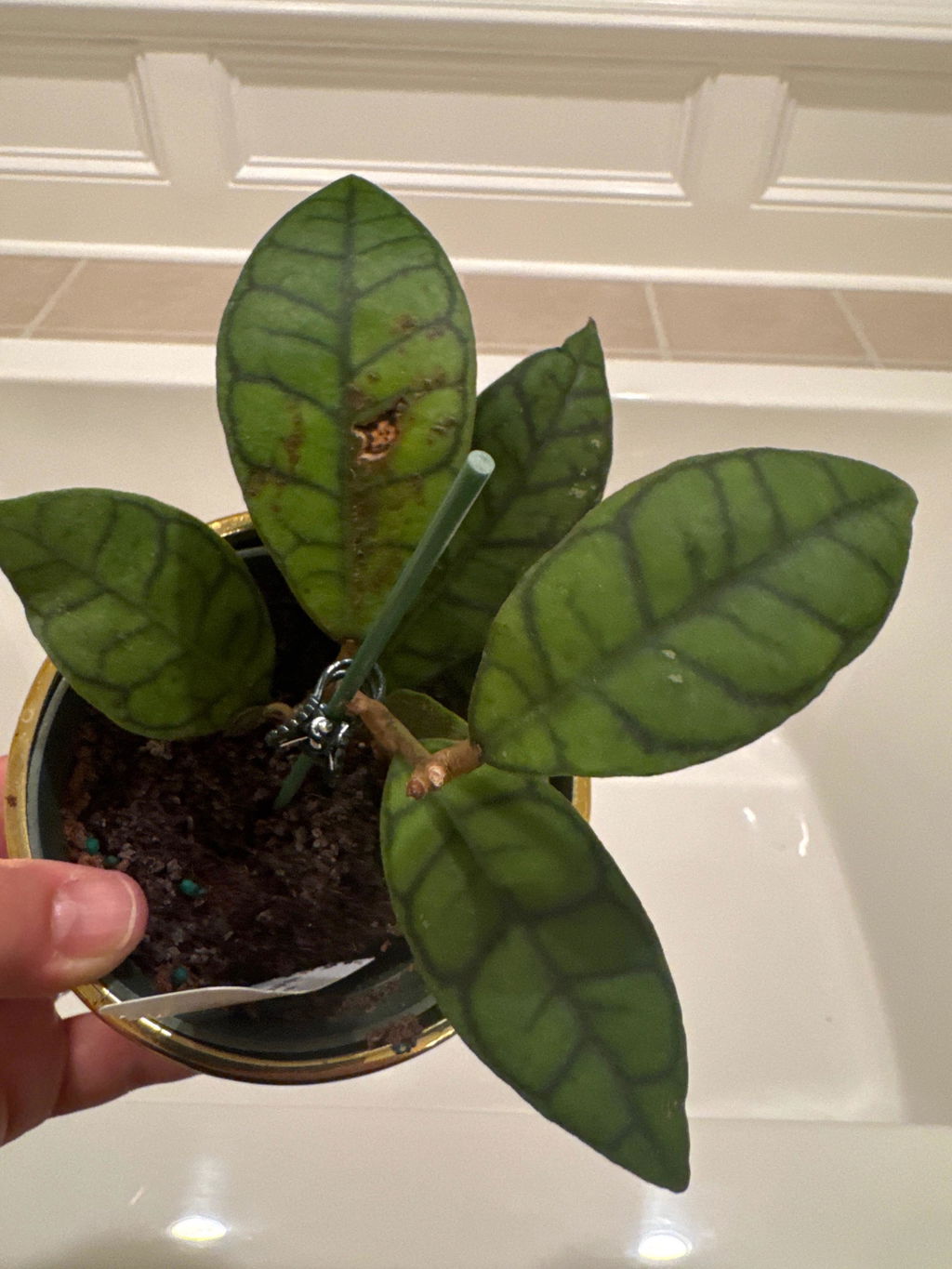
Hey we are glad to hear that you were able to receive both of the beautiful hoyas. We hope you enjoy watching them grow, and hopefully flower. The spots you see are a normal feature of Hoyas called edema. Given time to adjust to its new space. Your hoya should produce less. We hope this helps. Feel free to reach out to us at help@canopyplantco.com with any questions.
Nice little plant with four leaves. One is damaged but okay otherwise.
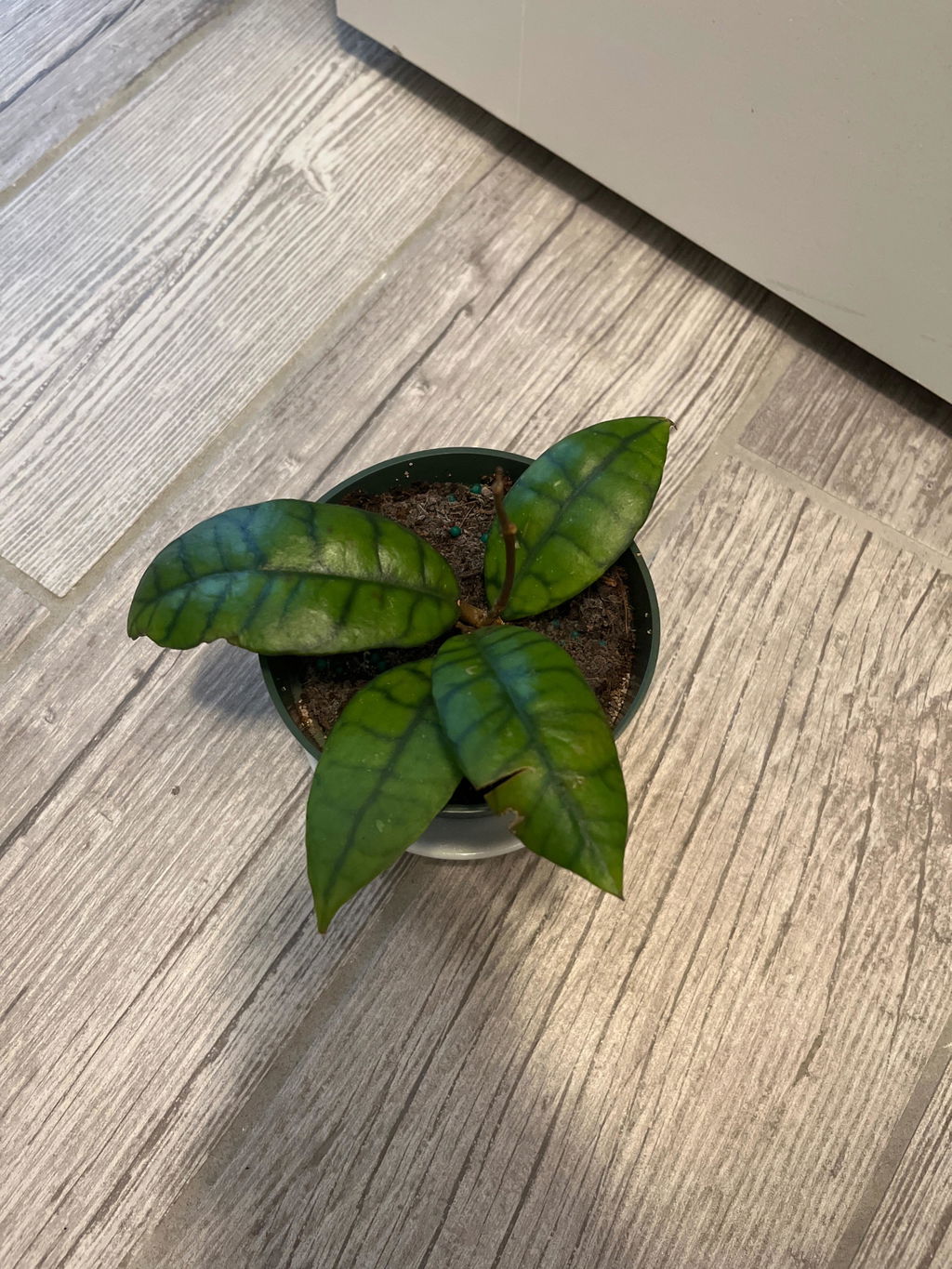
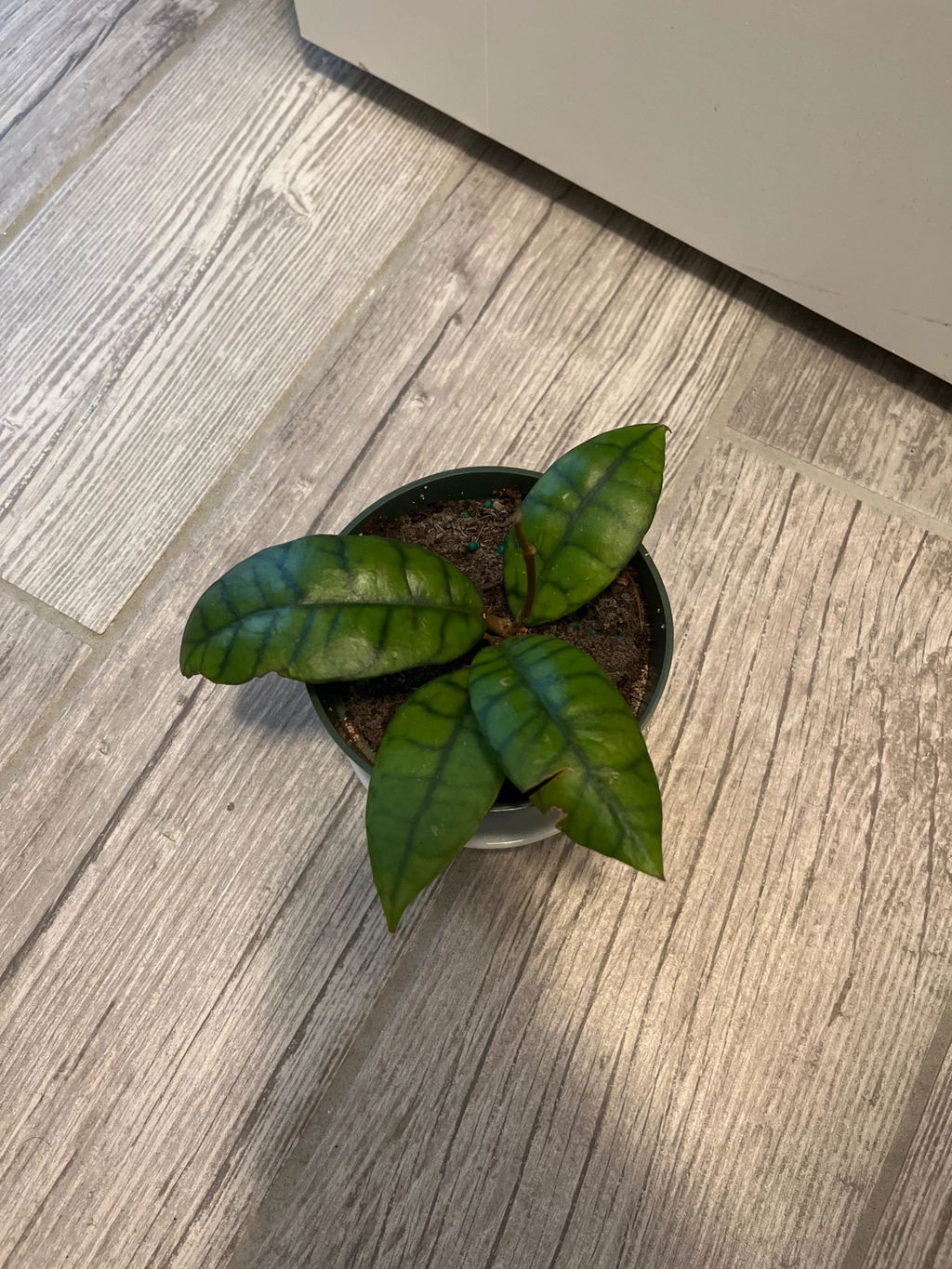
I am in love with this plant! Beautiful and healthy.
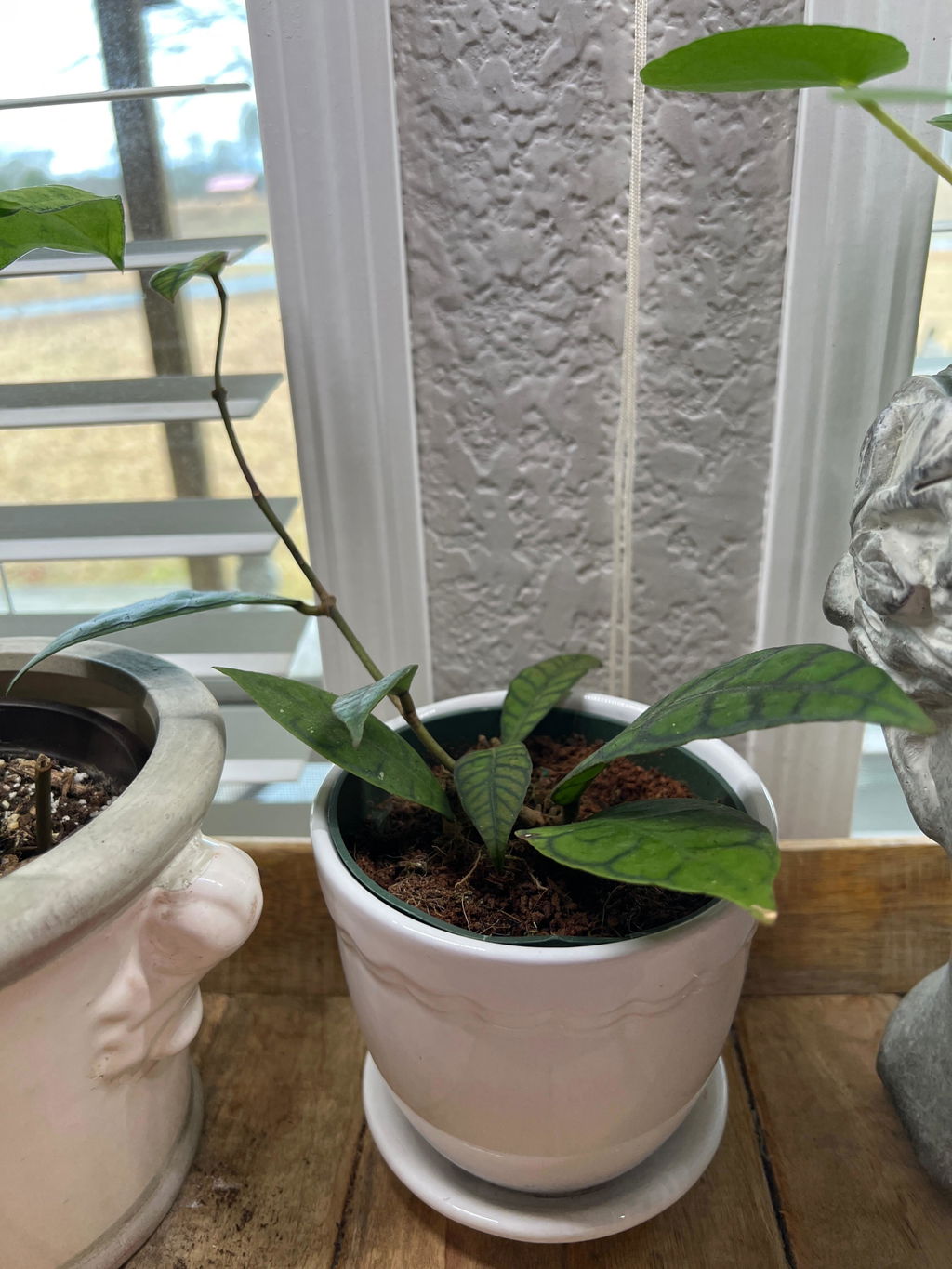
What a great choice for your first Hoya. We love the callistophylla. We hope it flowers for you soon.
I always am excited to open boxes from Canopy! I know the plants are beautiful and healthy and definitely package well for shipping! I had to get this cutie because my granddaughter’s name is “Kallie”.
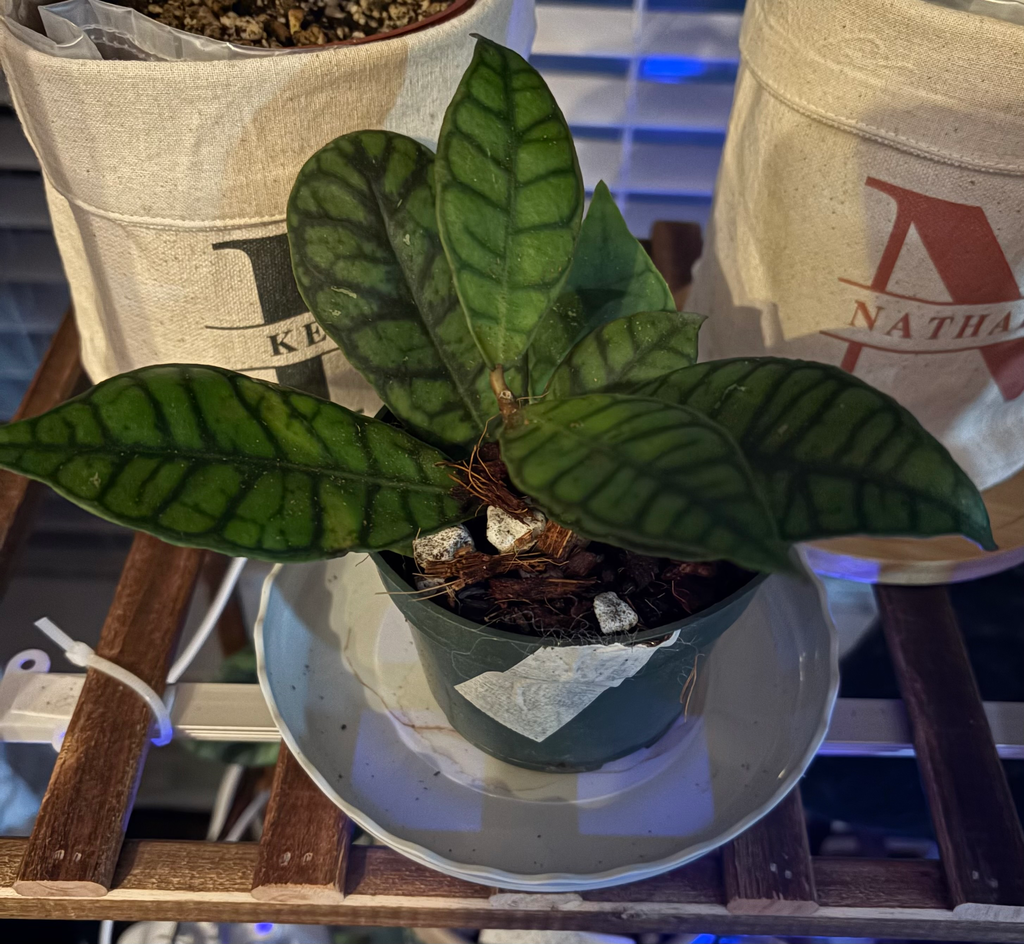
We love to hear that! We love its unique pre-historic looking leaves. We hope you enjoy it, and get to see it bloom.
I was so excited to get this plant. I was worried about it coming damaged due to the cold and mail delays (no fault of canopy) but it was fine. I did reach out to customer service and they were excellent as always.
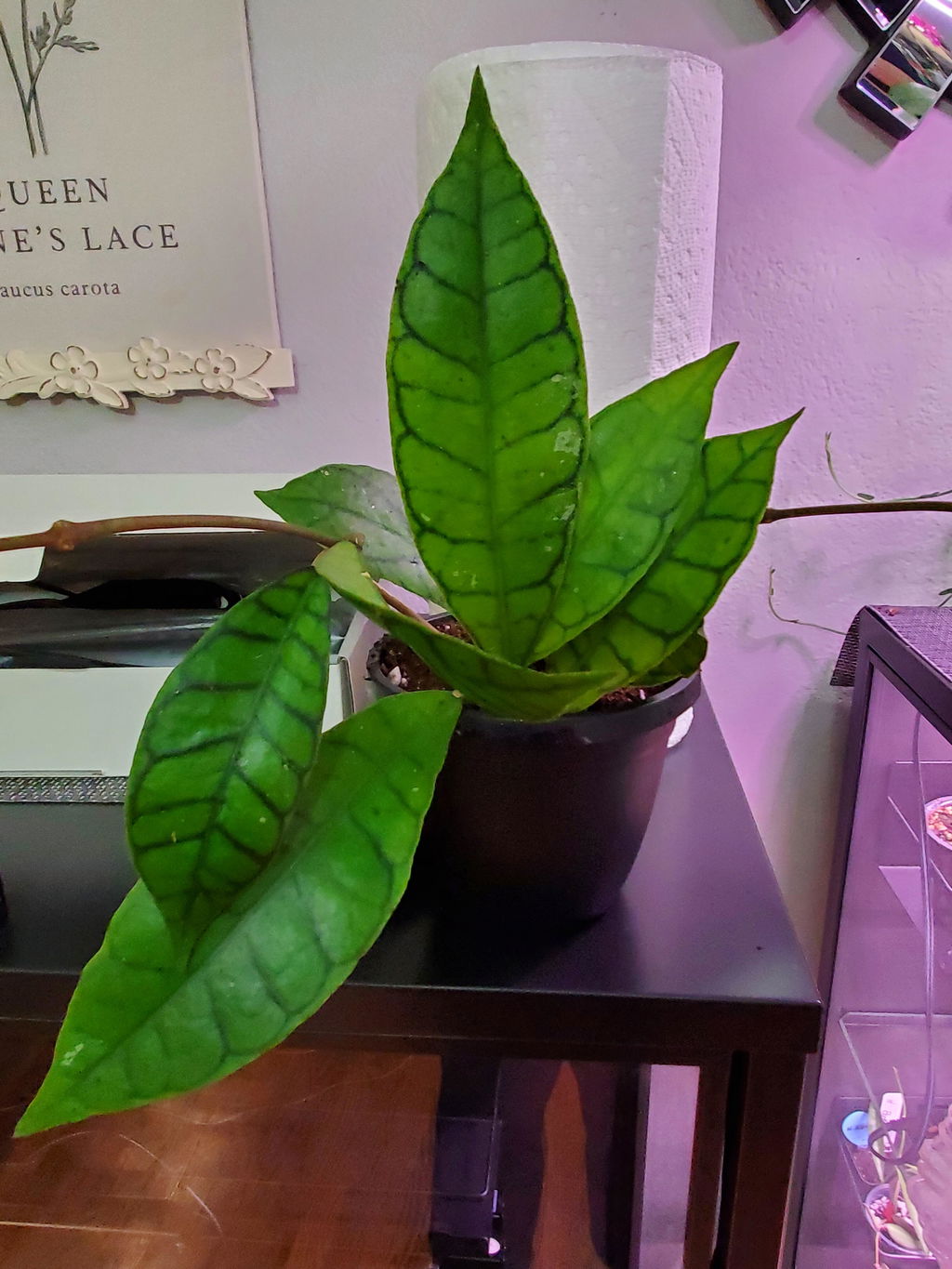
Our team puts a lot of work into the safety of the plants we pack. We are glad it paid off for you. Please feel free to reach out to our customer service team any time you need help. Enjoy your new Hoya.
Love this Hoya so much! The green veining just pops! Looks historic!
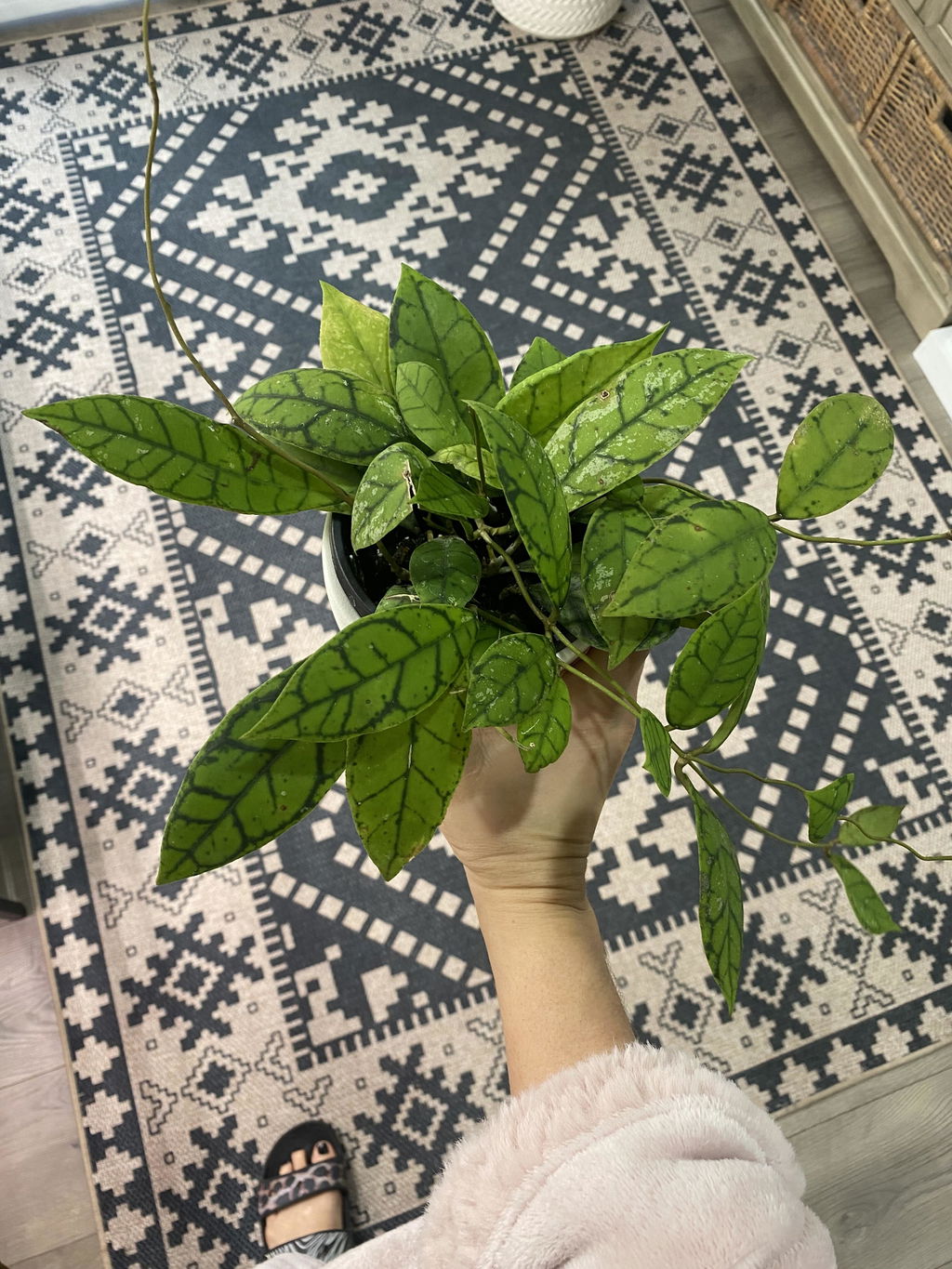
It reminds us of a dinosaur, and that is our favourite part.
I am very much a fan of the hoya genus. This callistophylla was honestly breathtaking and left me speechless the second I opened it. It was packaged so carefully. You will probably never find something like this at your local big box store because it’s a lesser known species. I’m excited about the journey that this plant and I will take together as it grows and matures. If you’re a Hoya fan, then this is the plant for you!
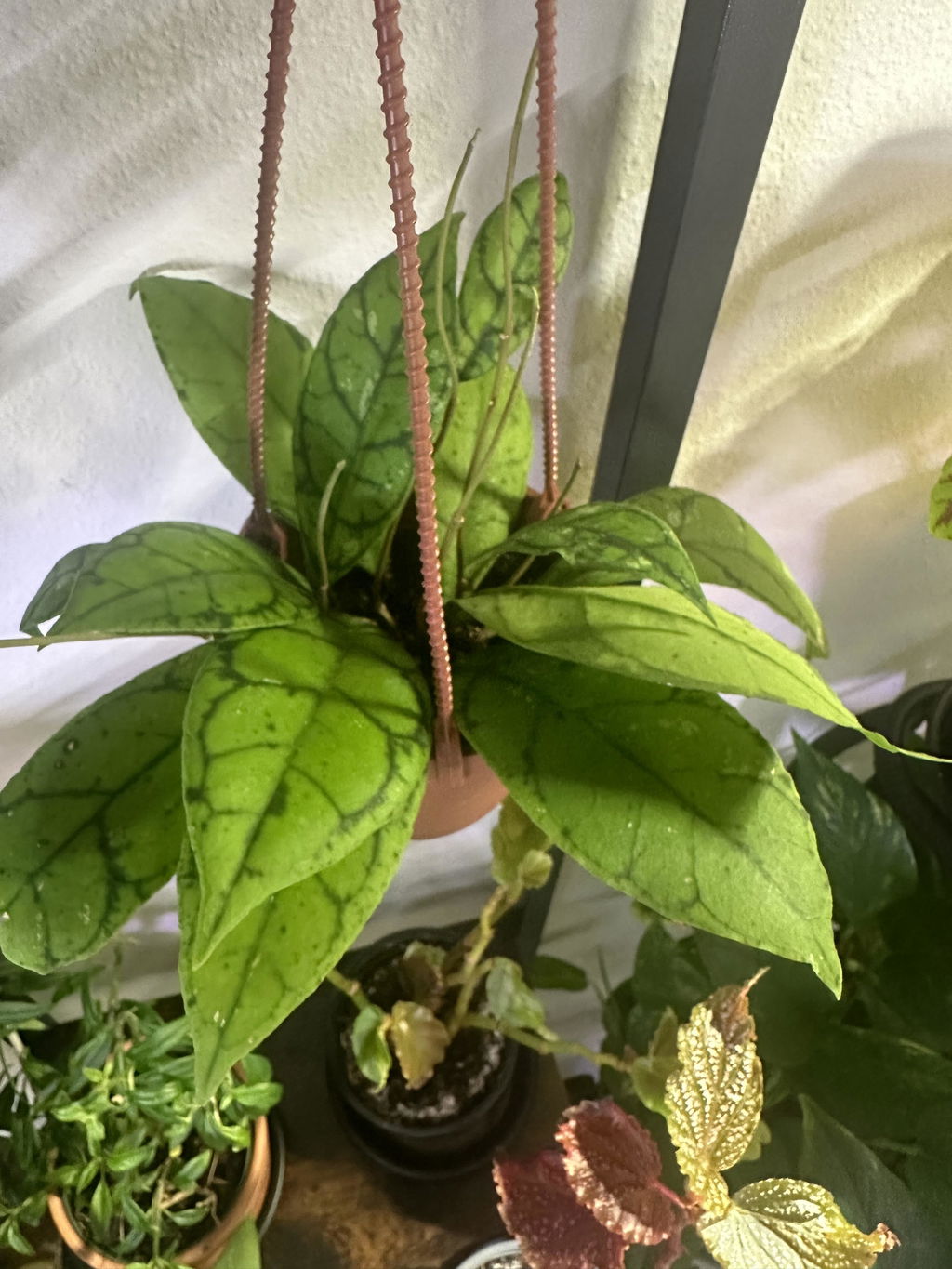
It literally looks like a fake plant. The leaves are so cool! Very happy!