


4" Hoya EPC-1015
Pickup available at Canopy HQ
Usually ready in 1 hour
Care
Care
 Bright indirect light
 Allow soil to dry almost completely
 Pet friendly
Hoya EPC-1015 is a newer hybrid of unknown origin that resembles other larger leafed Hoyas like vitellinoides. It has lighter colored veins and the bloom is yellow and is said to have a pleasant citrus scent.
Hoya EPC-1015 care:
This fragrant Hoya plant prefers a well draining soil that is rich in organic matter. Allow the soil to dry out about halfway before watering it again, paying attention to not allow it to sit in excess water for an extended amount of time. Provide your Hoya EPC-1015 with plenty of bright indirect light for optimal growth throughout the growing season.
Additional Hoya information:
Hoya, commonly referred to as "Wax Plant" is a genus consisting of over 500 species.
Hoyas are widely cultivated for their aromatic blooms and unique foliage.
They are native to tropical and subtropical areas all around the world. They can be found in Latin America, Asia, Australia, etc.
Mostly epiphytic, you'll find Hoyas love to climb trees in their natural habitats.
Hoyas have a large range of foliage shapes and textures. They can be found with elongated, deeply veined leaves to thin, narrow leaves and everything in between.
Most Hoya plants can be considered easy to care for. Here at Canopy Plant Co., we only ship the healthiest Hoyas from our Apopka greenhouse.
Sizing information:
Plants are living organisms, so each one is unique and may vary slightly in size, fullness, color, and maturity depending on the season, growing conditions, and current availability. We do our best to match the product photos and descriptions as closely as possible while ensuring you receive a healthy, high-quality plant.

Green, lush and full and healthy plant. This is what I like to order from Canopy
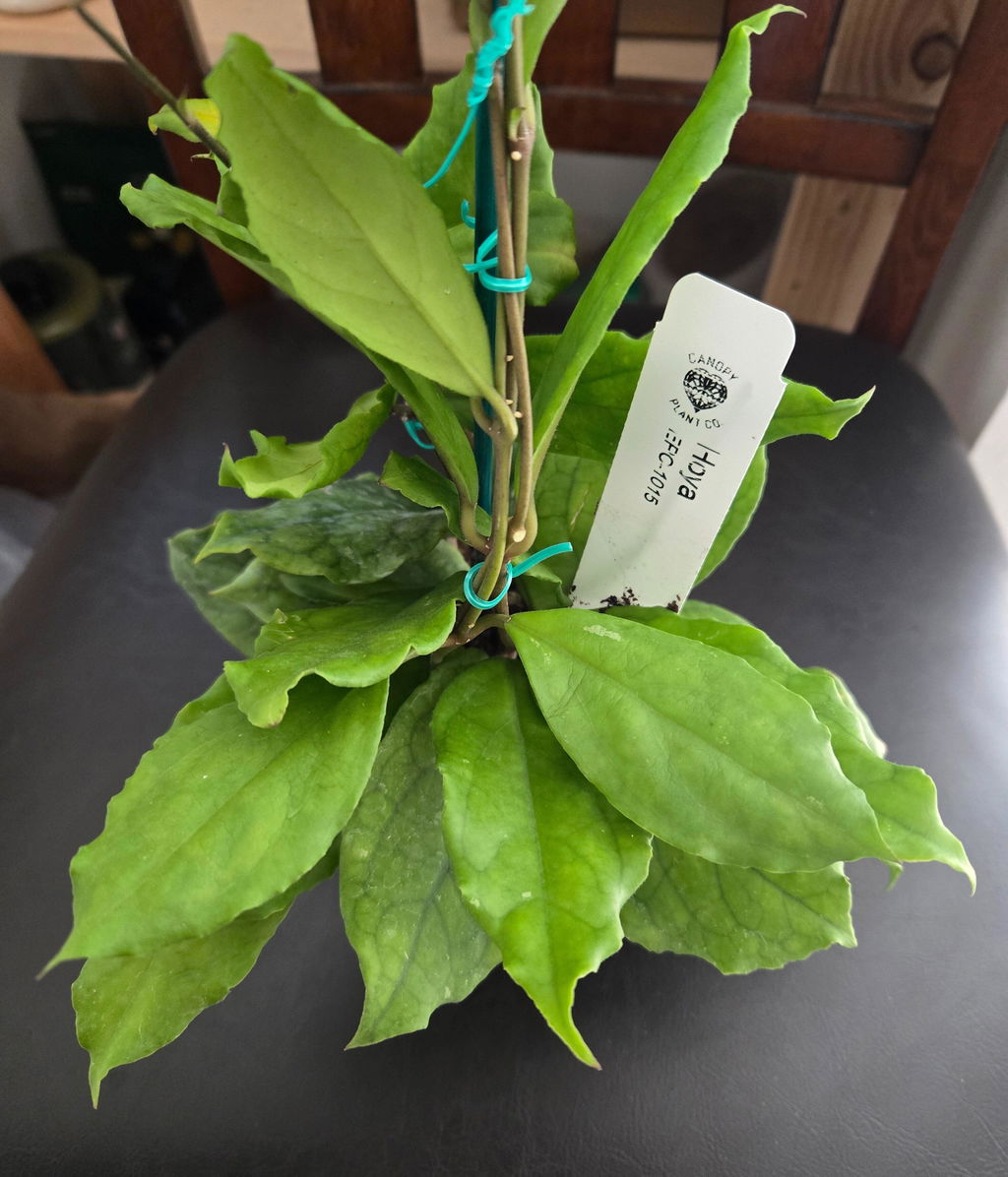
Just another healthy, full plant from my favorite plant seller!! Always care taken in packaging!! Give these wonderful folks at Canopy an award!!
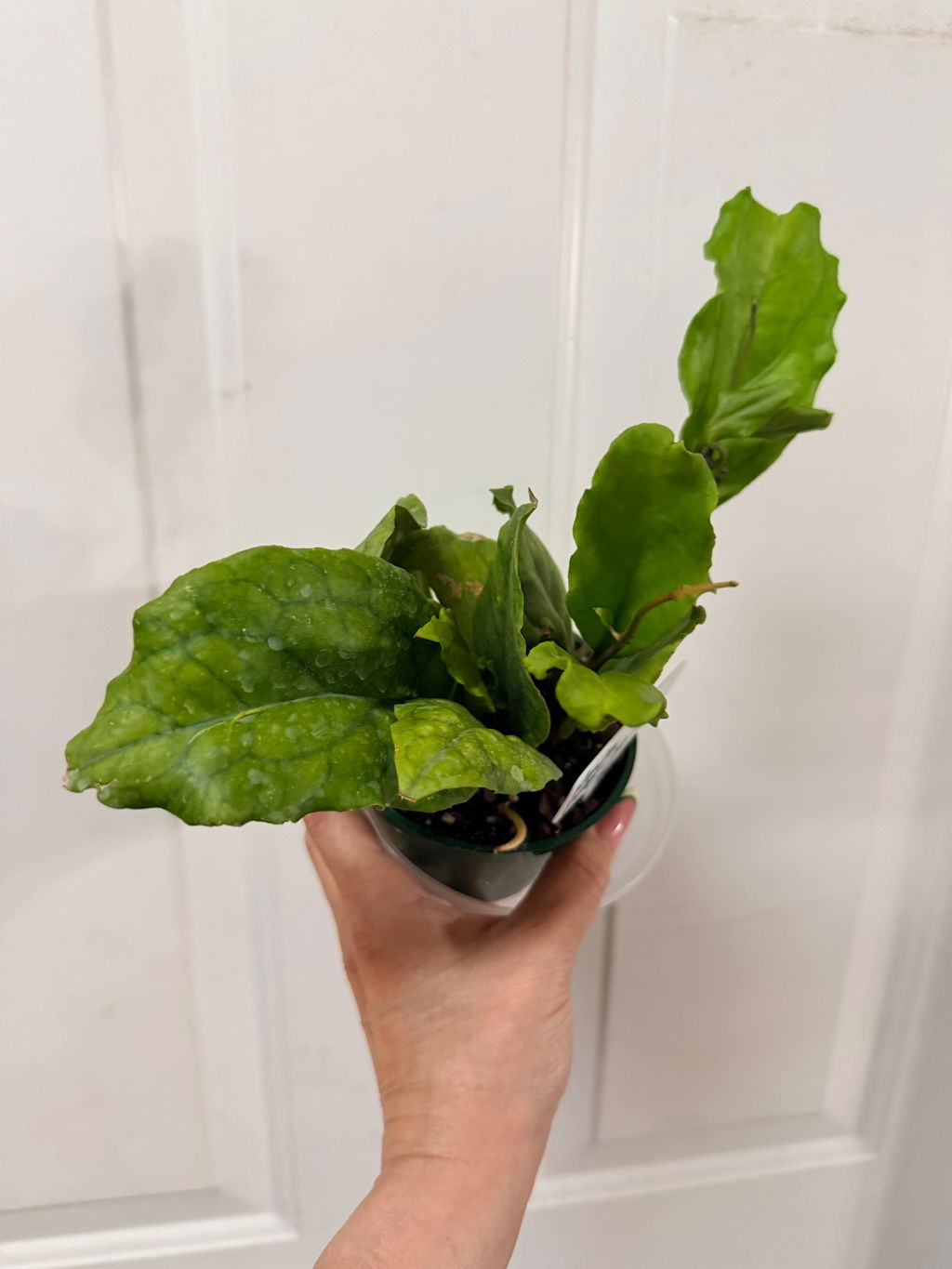
Loved getting my new plant, very healthy and packaged well