


4" Hoya globulosa
-
Live Plant Guarantee
7-day live plant guarantee
-
Expert packaging
Safe and secure
-
Grown in Florida
High quality
-
12,000+ reviews
Loved by plant people
Hoya globulosa is a fairly uncommon Hoya that has elongated green leaves, subtle veining and light pink flowers. The undersides of the leaves have fine hairs on them.
Commonly known as Wax Plant, Hoyas are easy to grow indoor vining plants that produce beautiful blooms.
Caring for your Hoya globulosa is easy. Let the soil dry out between watering, taking care not to allow them to sit in water. Make sure to give your new hoya plenty of bright indirect light.
Additional Hoya information:
Hoya, commonly referred to as "Wax Plant" is a genus consisting of over 500 species.
Hoyas are widely cultivated for their aromatic blooms and unique foliage.
They are native to tropical and subtropical areas all around the world. They can be found in Latin America, Asia, Australia, etc.
Mostly epiphytic, you'll find Hoyas love to climb trees in their natural habitats.
Hoyas have a large range of foliage shapes and textures. They can be found with elongated, deeply veined leaves to thin, narrow leaves and everything in between.
Most Hoya plants can be considered easy to care for. Here at Canopy Plant Co., we only ship the healthiest Hoyas from our Apopka greenhouse.
Sizing information:
Plants are living organisms, so each one is unique and may vary slightly in size, fullness, color, and maturity depending on the season, growing conditions, and current availability. We do our best to match the product photos and descriptions as closely as possible while ensuring you receive a healthy, high-quality plant.

Frequently Asked Questions
Are Hoyas pet friendly?
Are Hoyas pet friendly?
How often should I water my Hoya?
How often should I water my Hoya?
How much light does my Hoya need?
How much light does my Hoya need?
When will I know when to repot my Hoya?
When will I know when to repot my Hoya?
How do I get my Hoya to bloom?
How do I get my Hoya to bloom?
Why are my Hoya leaves wrinkly, soft or yellowing?
Why are my Hoya leaves wrinkly, soft or yellowing?
Why is my Hoya producing long vines with no leaves?
Why is my Hoya producing long vines with no leaves?
Beautiful, healthy plant.
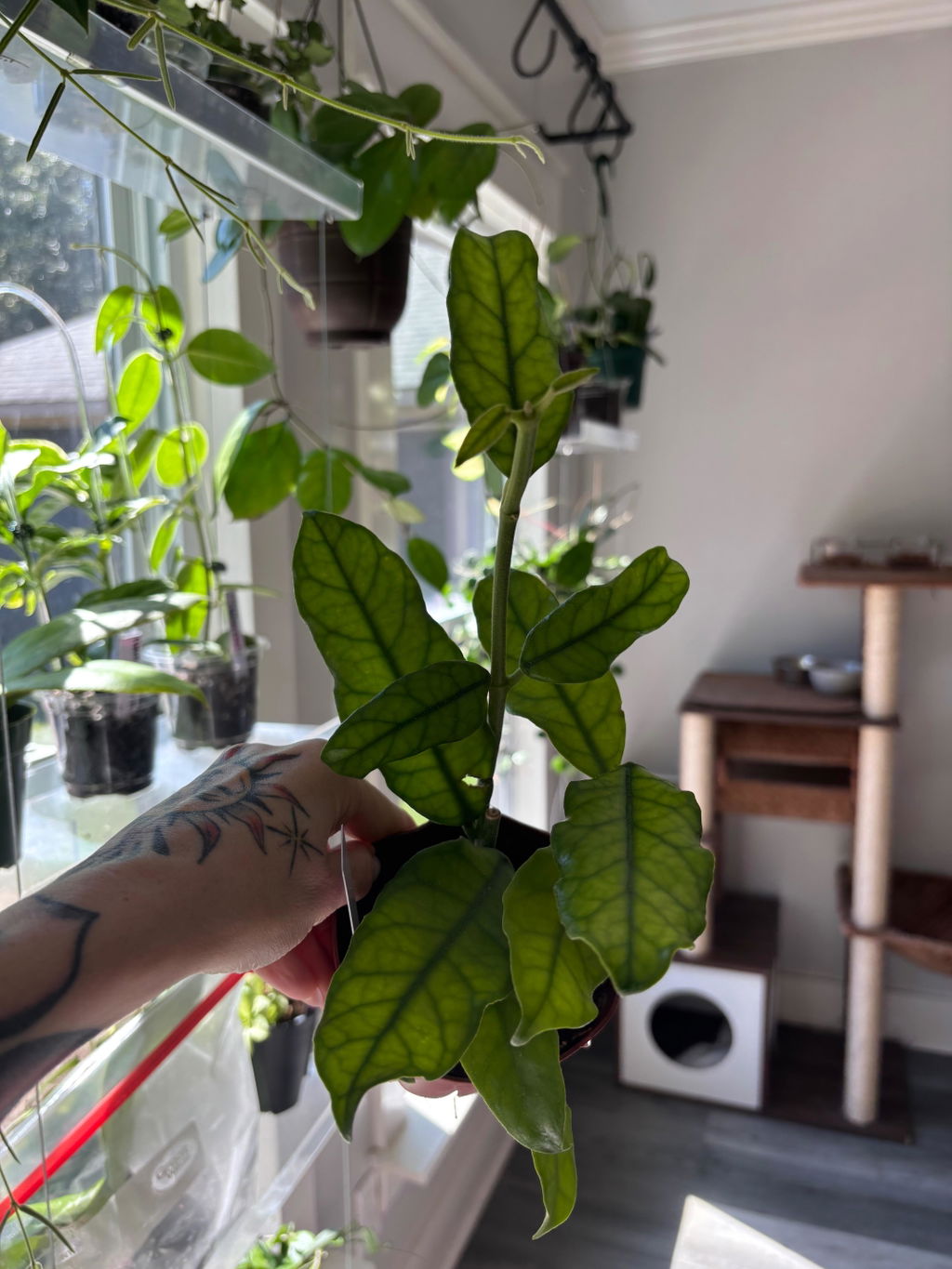
Another gorgeous plant from Canopy! I was really worried because we are having a heat wave right now and my shipment got held up with FedEx. She was perfectly packaged and came out looking like a rockstar! This plant was much bigger than I expected and it has some new growth coming in as well!
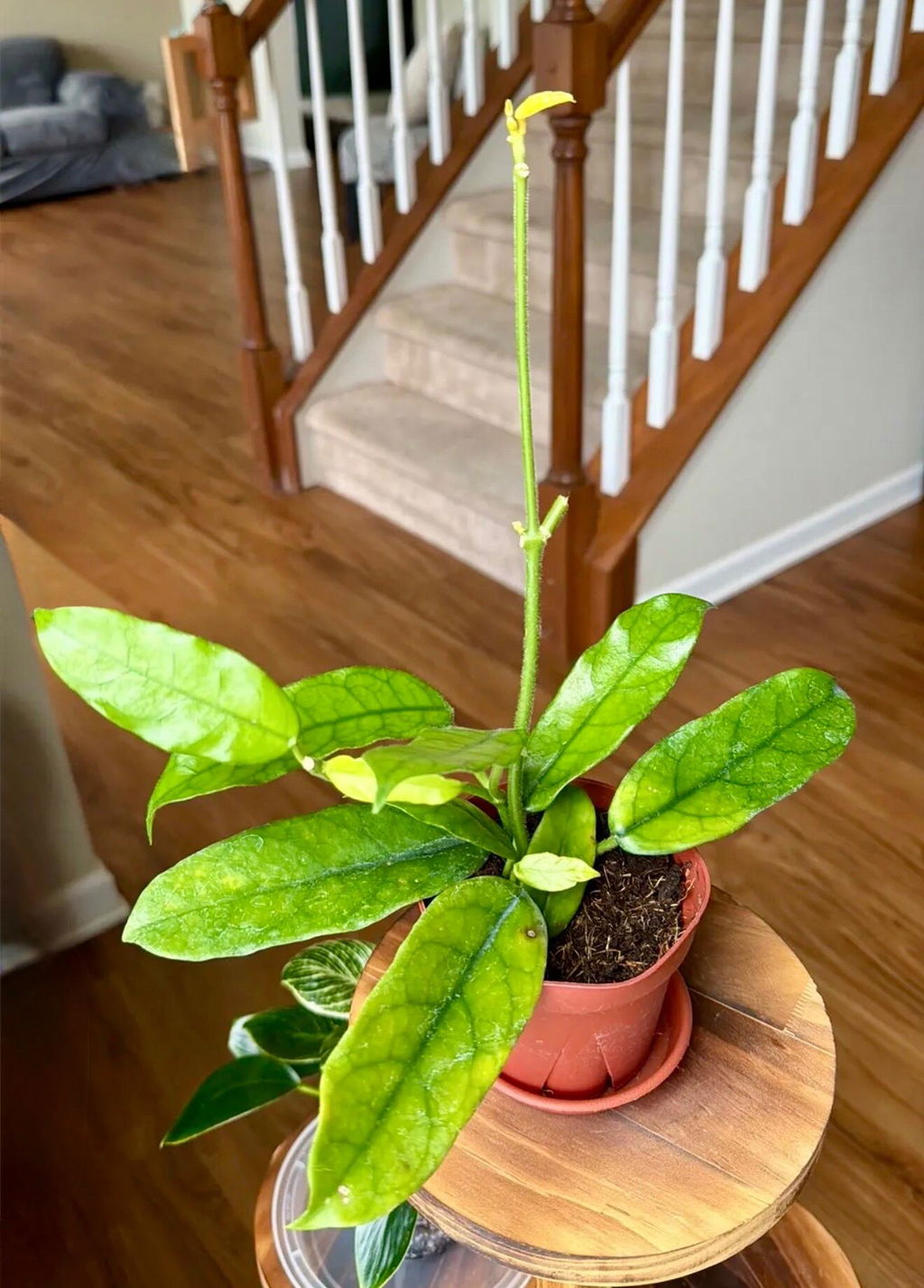
We are so happy to hear that this beauty had a safe trip to you despite the unexpected transit time! Enjoy watching this stunner get even bigger Thank you for being a Canopy Plant Co. customer. We appreciate you!
I’ve ordered now a few times from canopy and I have never been disappointed. I think the packaging is great. Pricing is great. And my plants always come in and wonderful condition. Definitely a lifelong customer.
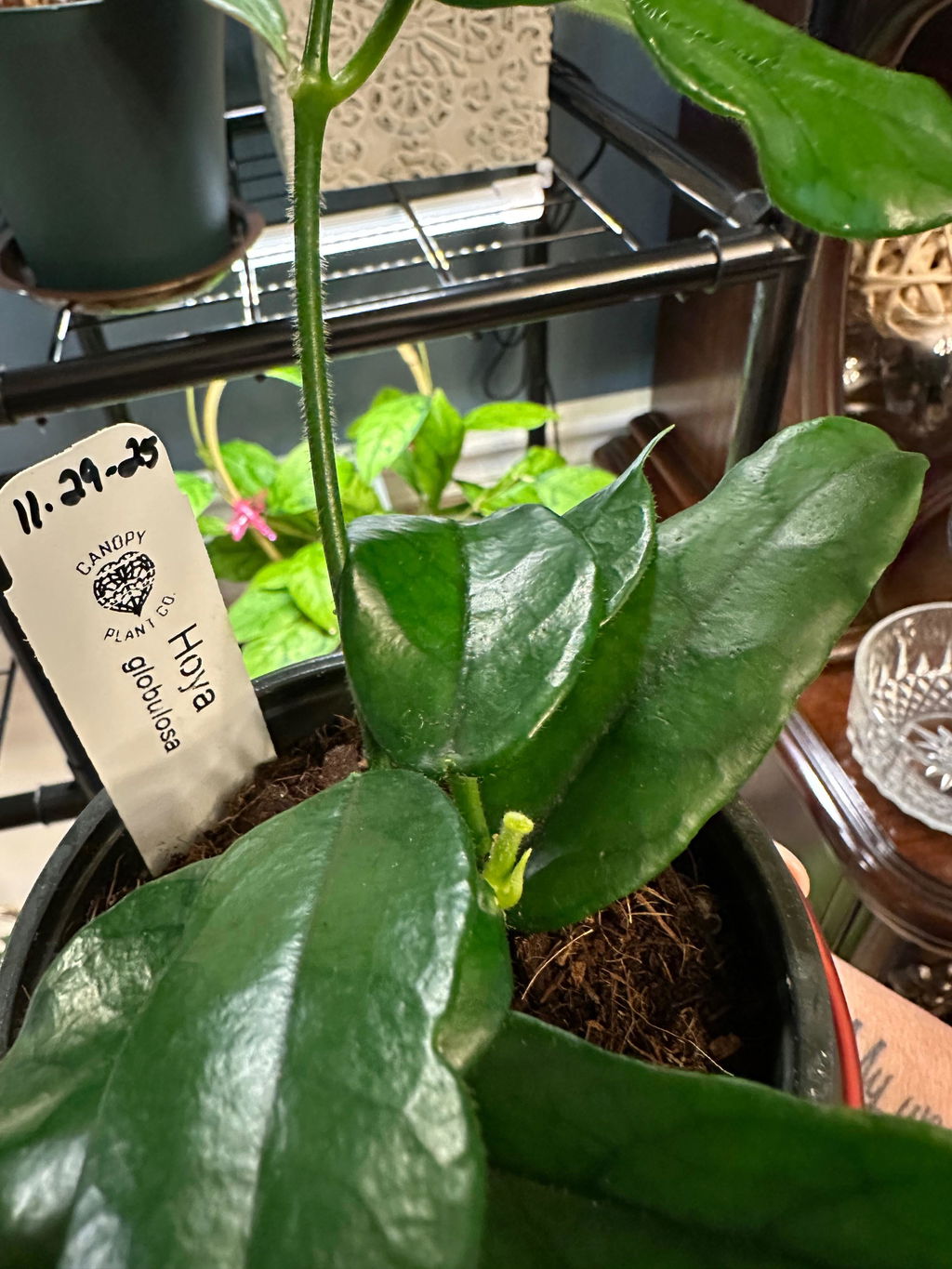
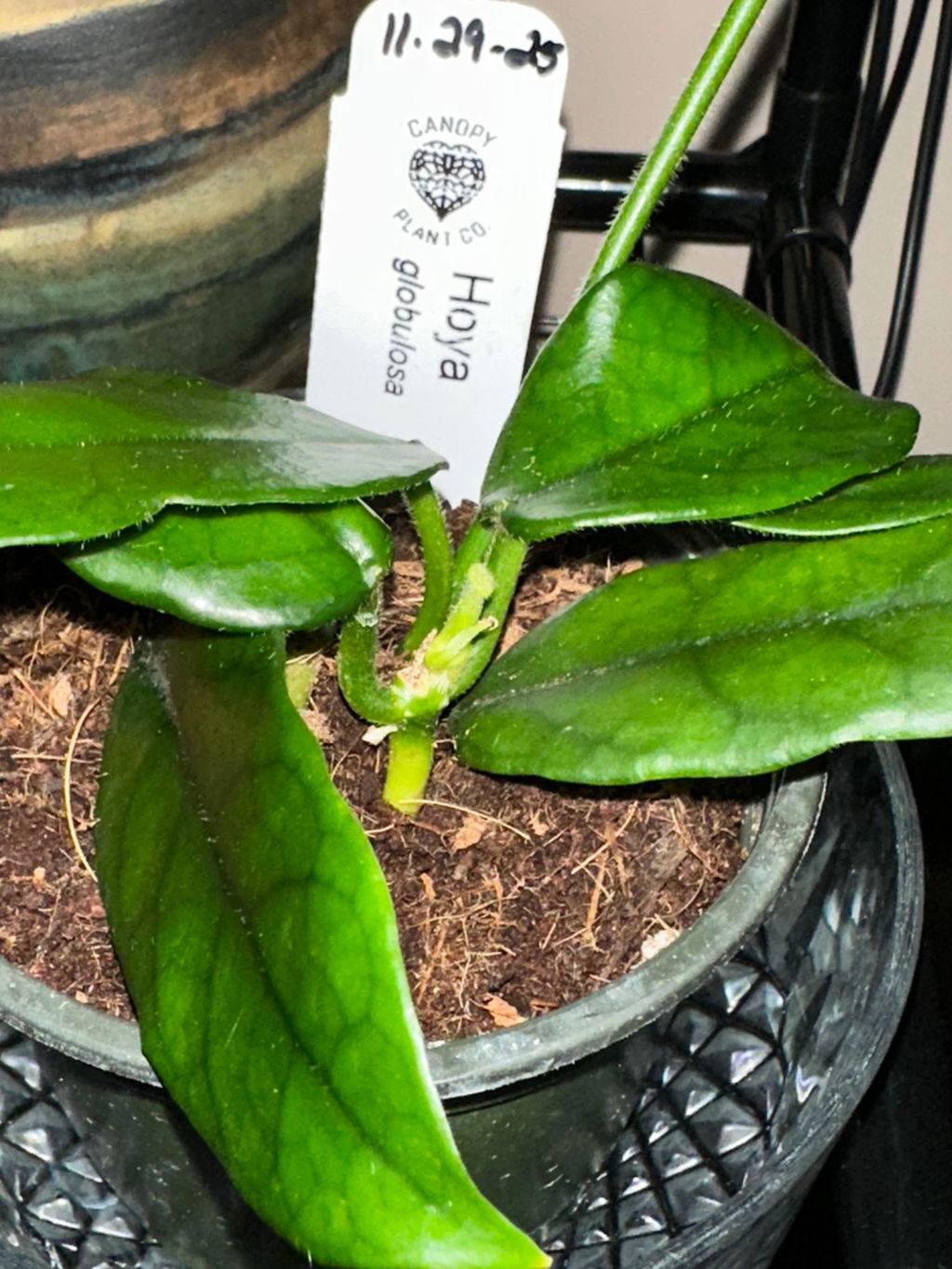
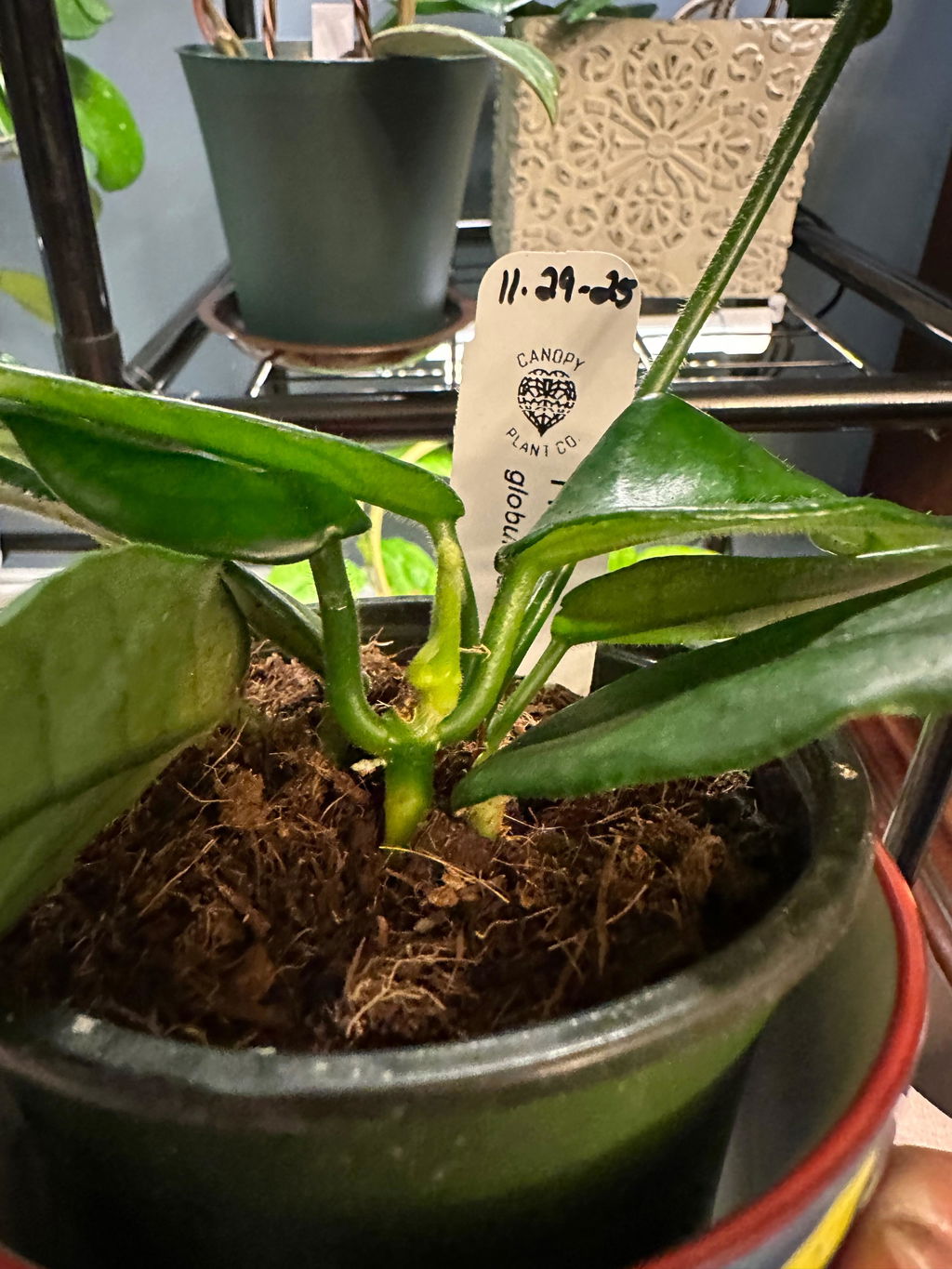
Plant is beautiful. So lush and vibrant color.
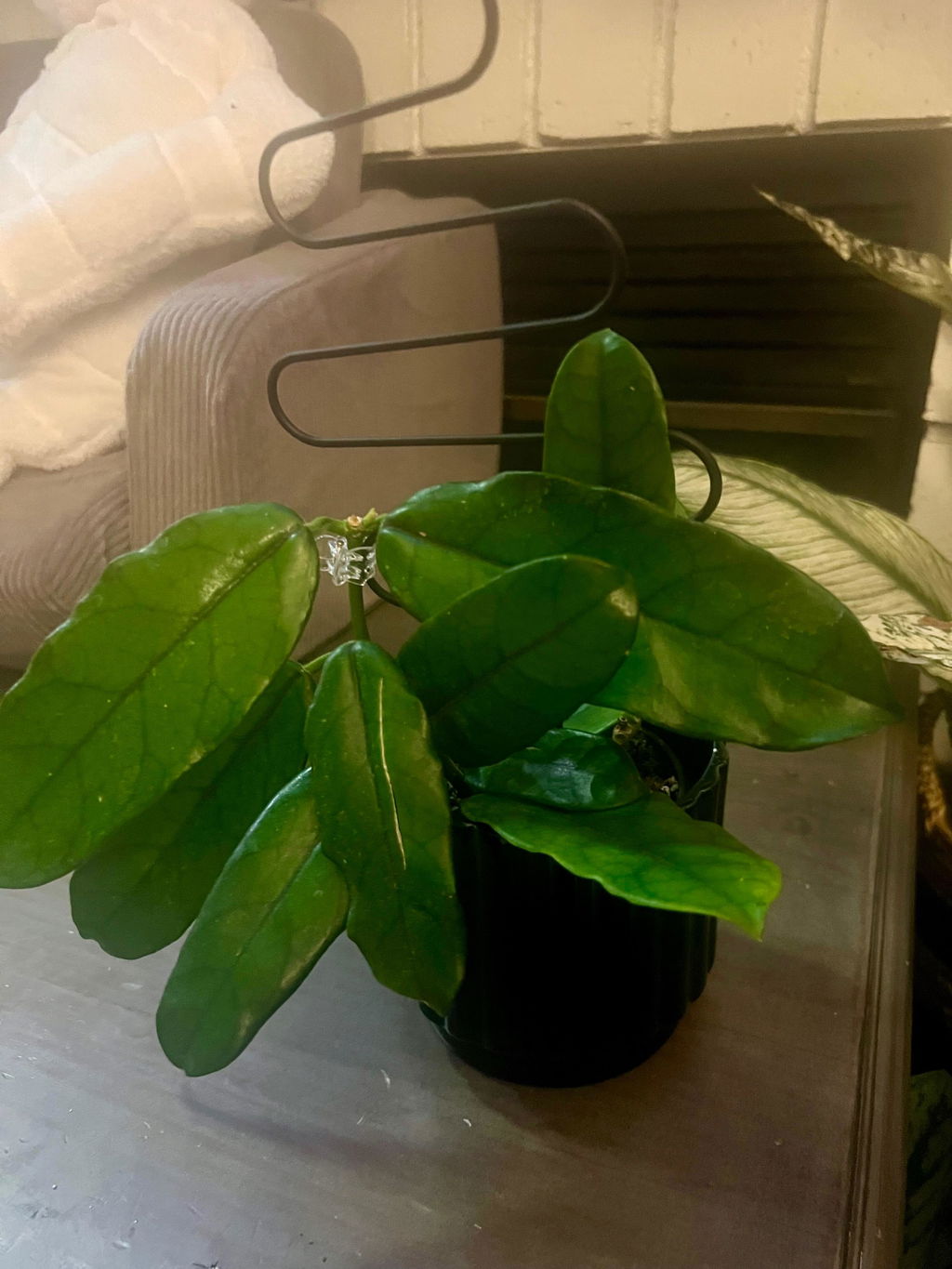
Arrived healthy and happy! Shipped very quick. I am loving this plant so much, I keep debating if I want a second one to make it move full. It already has new growth
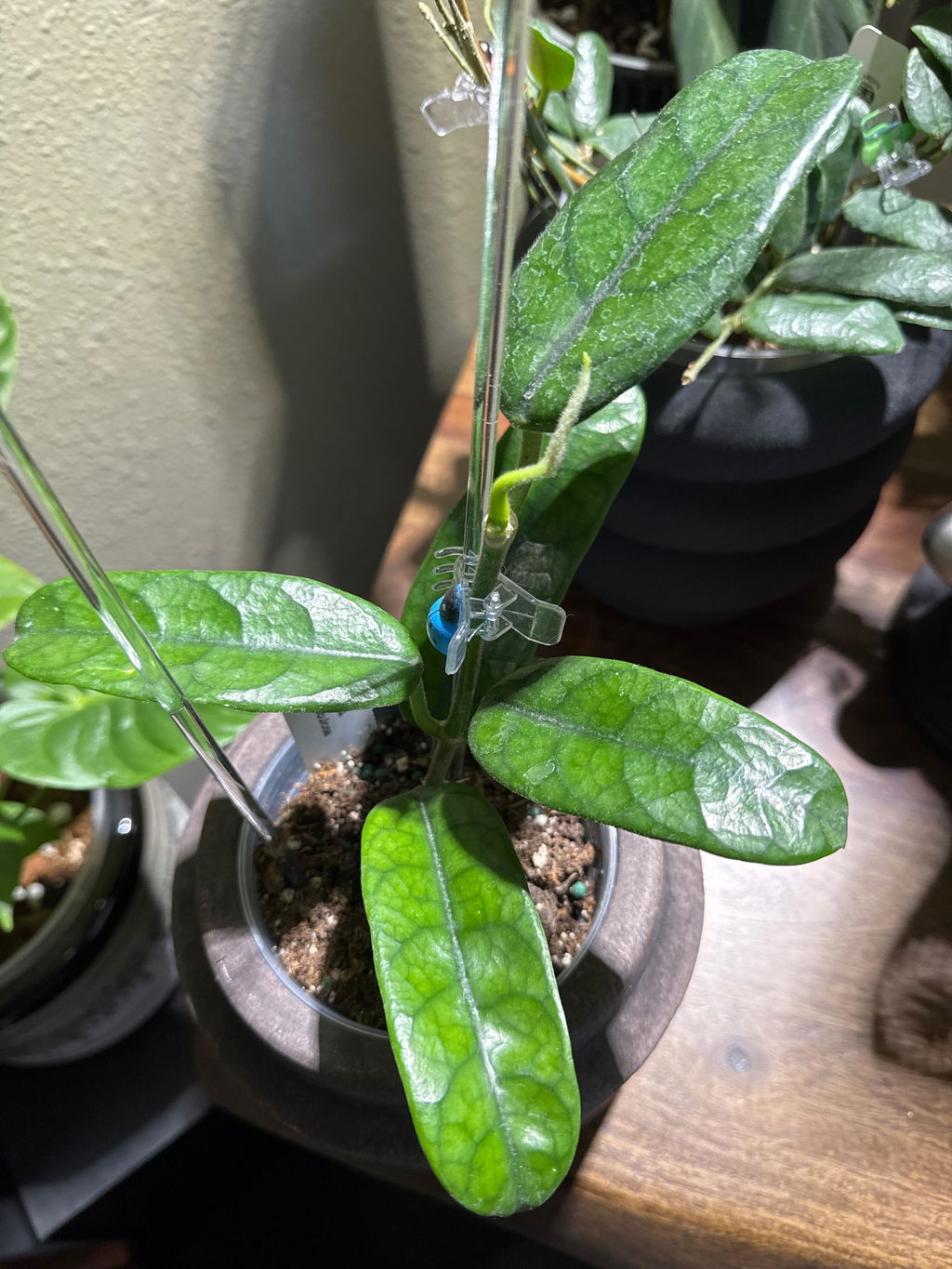
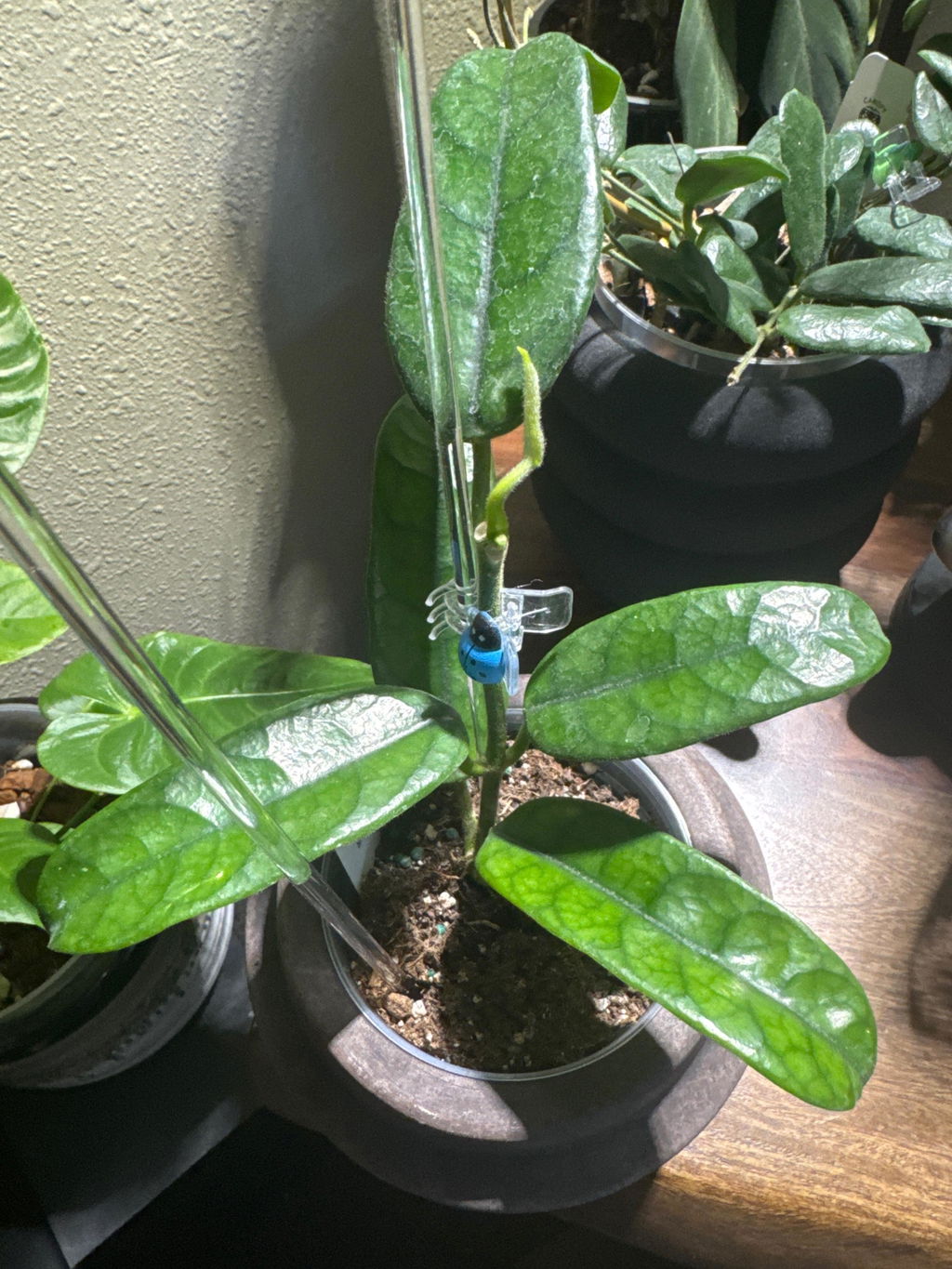
I love the leaves on this plant! The texture is almost surreal with the glossy top and velvety underside. My plant came with 7 leaves, but did lose the top two which can be normal with shipping stress. Now after two weeks appears to be settling in. Highly recommend Canopy for quality of plants, quick shipping and customer care.
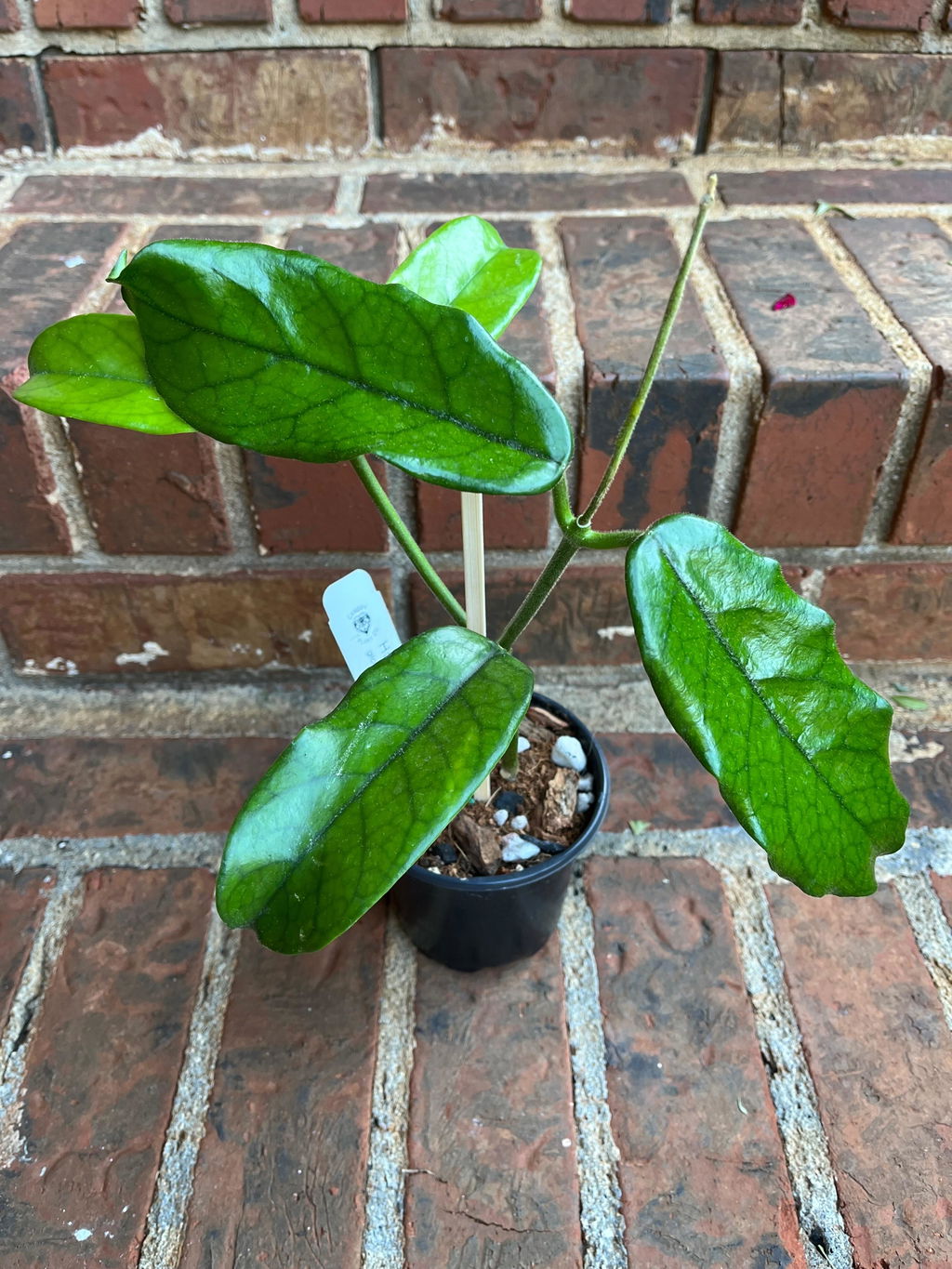
So glad to hear it’s settling in nicely! ✨ That leaf texture sounds stunning—thank you for the kind words and recommendation!
Received a beautiful, well established plant, great vendor, prompt shipping, well packaged...
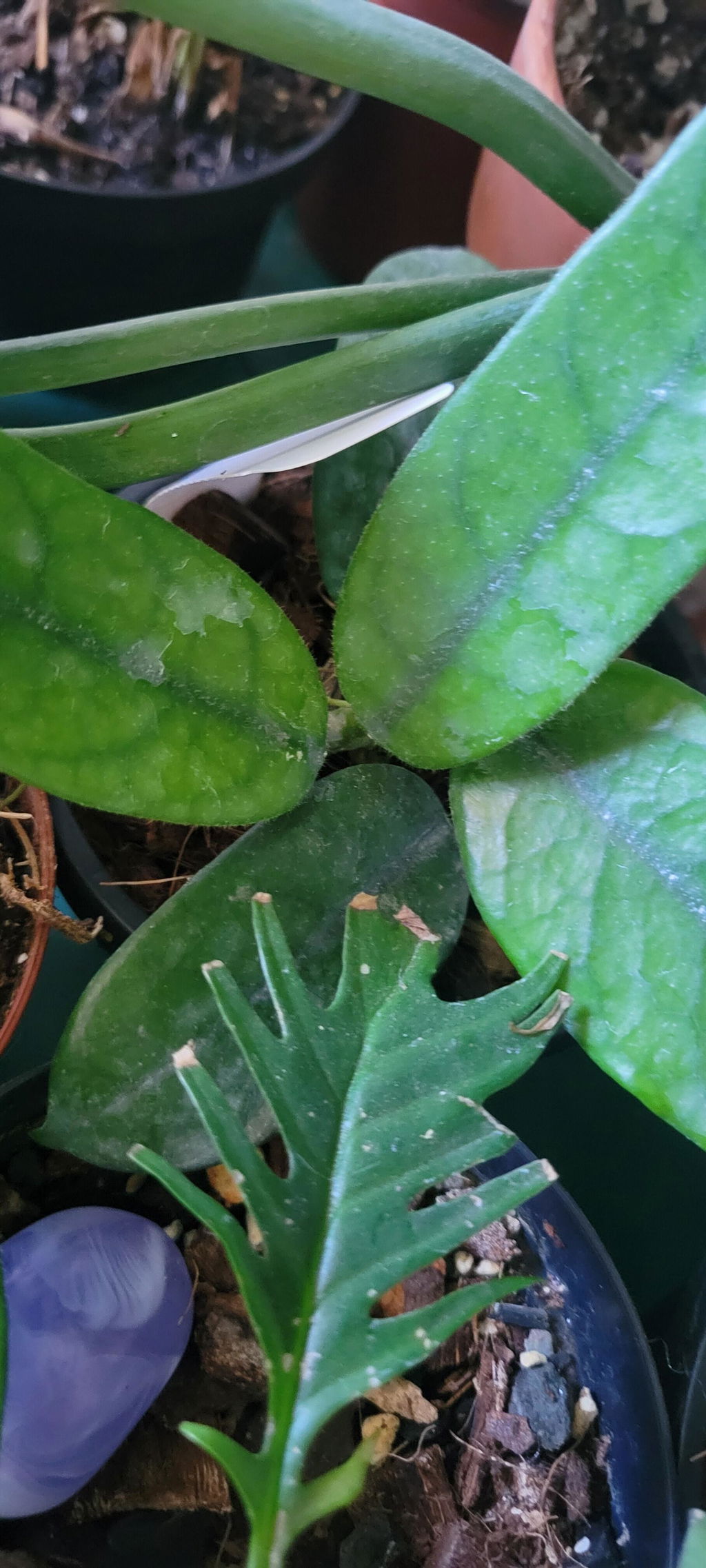
Such a beautiful Hoya. All my plants arrived packaged very well and so healthy. So pleased to add this Hoya to my collection. Thank you.
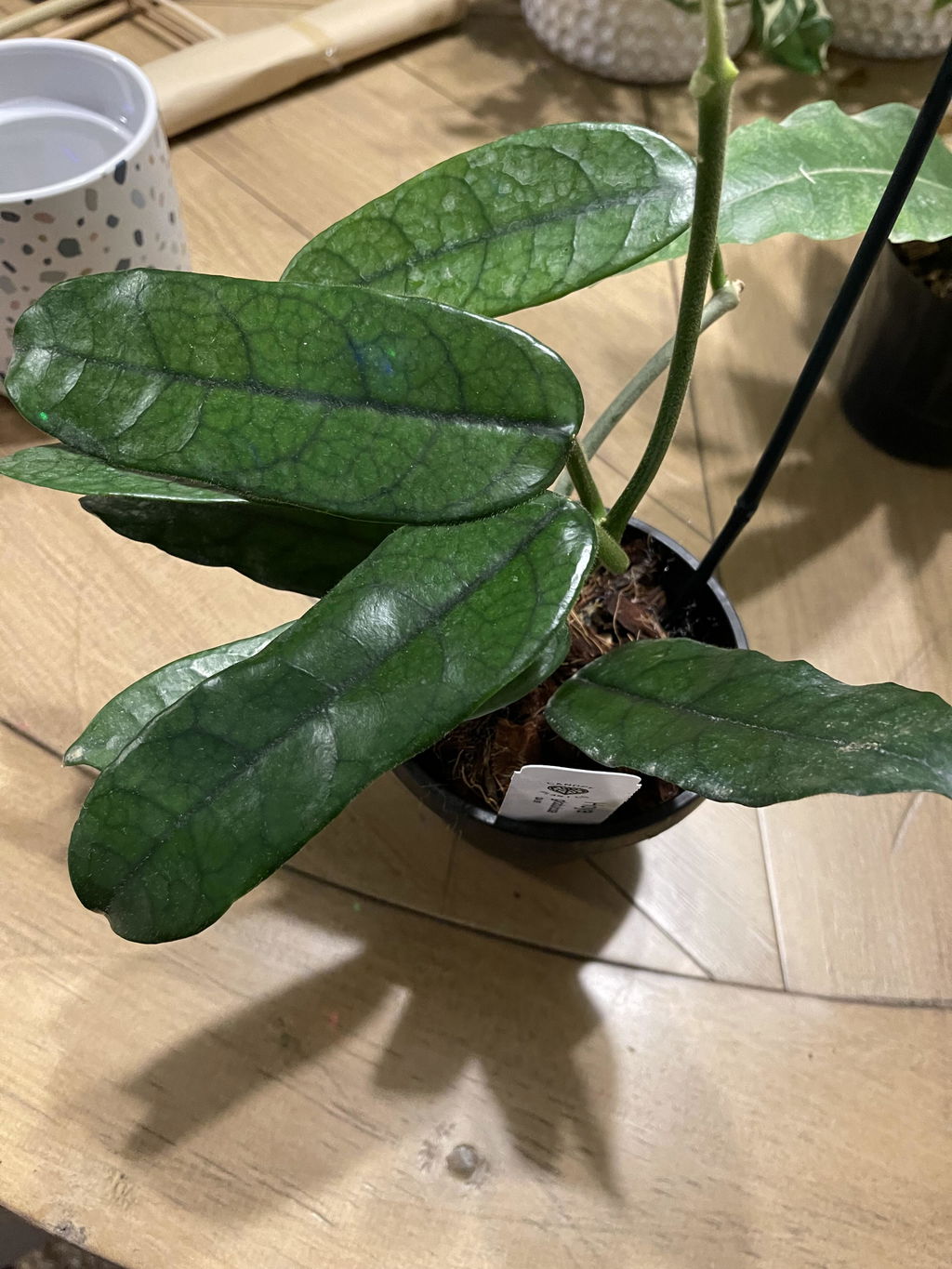
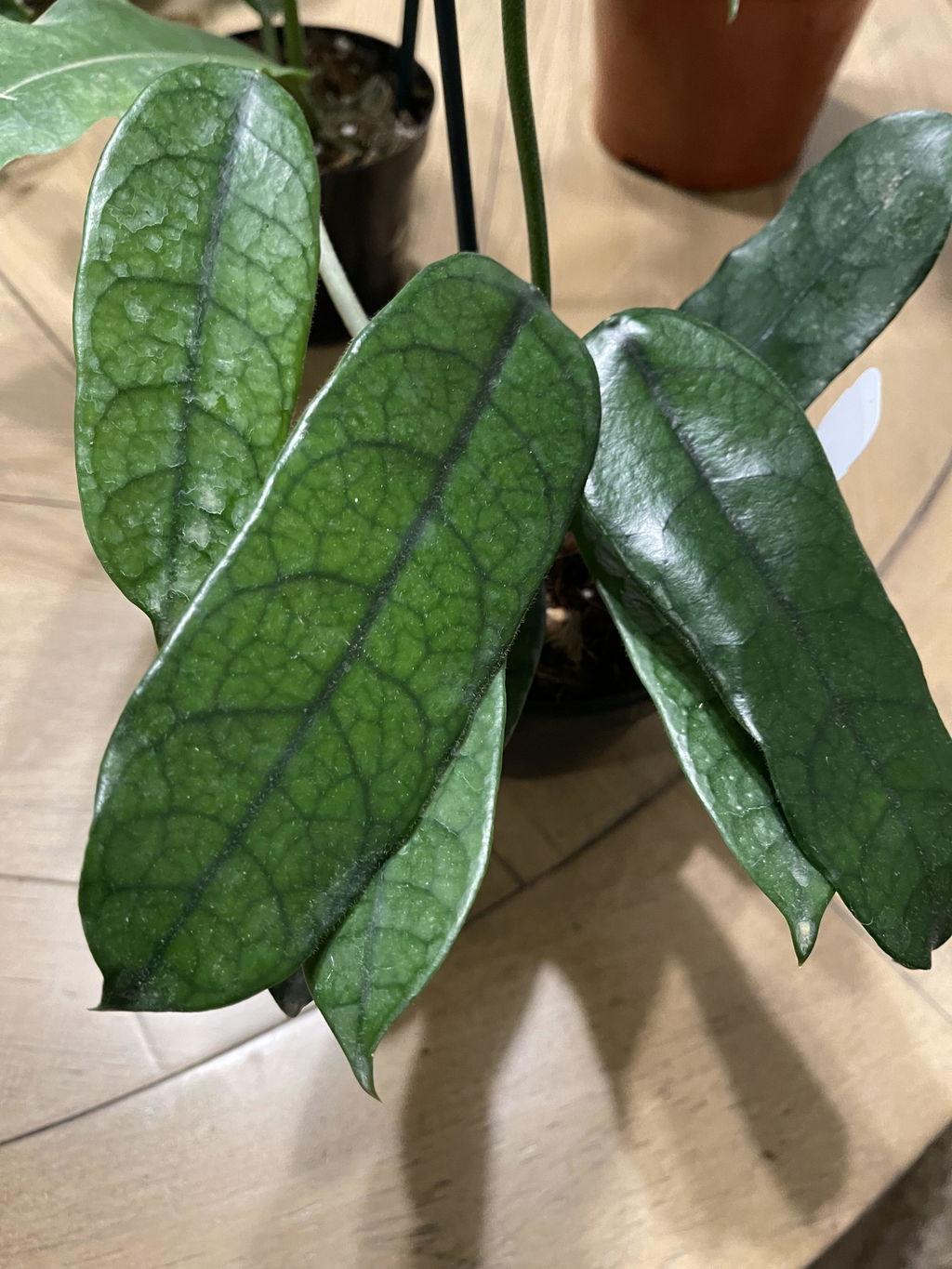
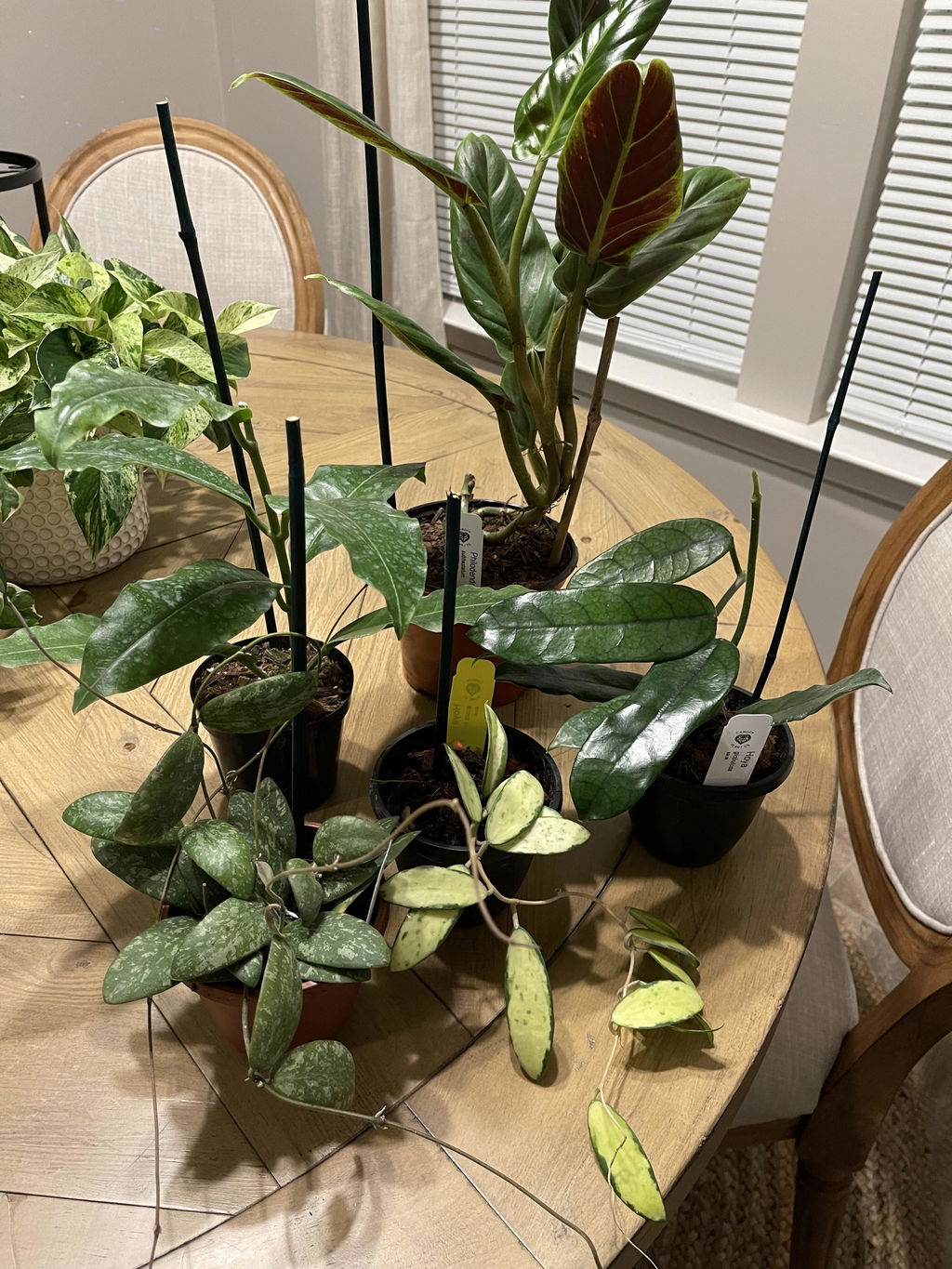
I received a beautiful, full, hanging Globulosa. It exceeded my hopes. I love it so much! Karen J
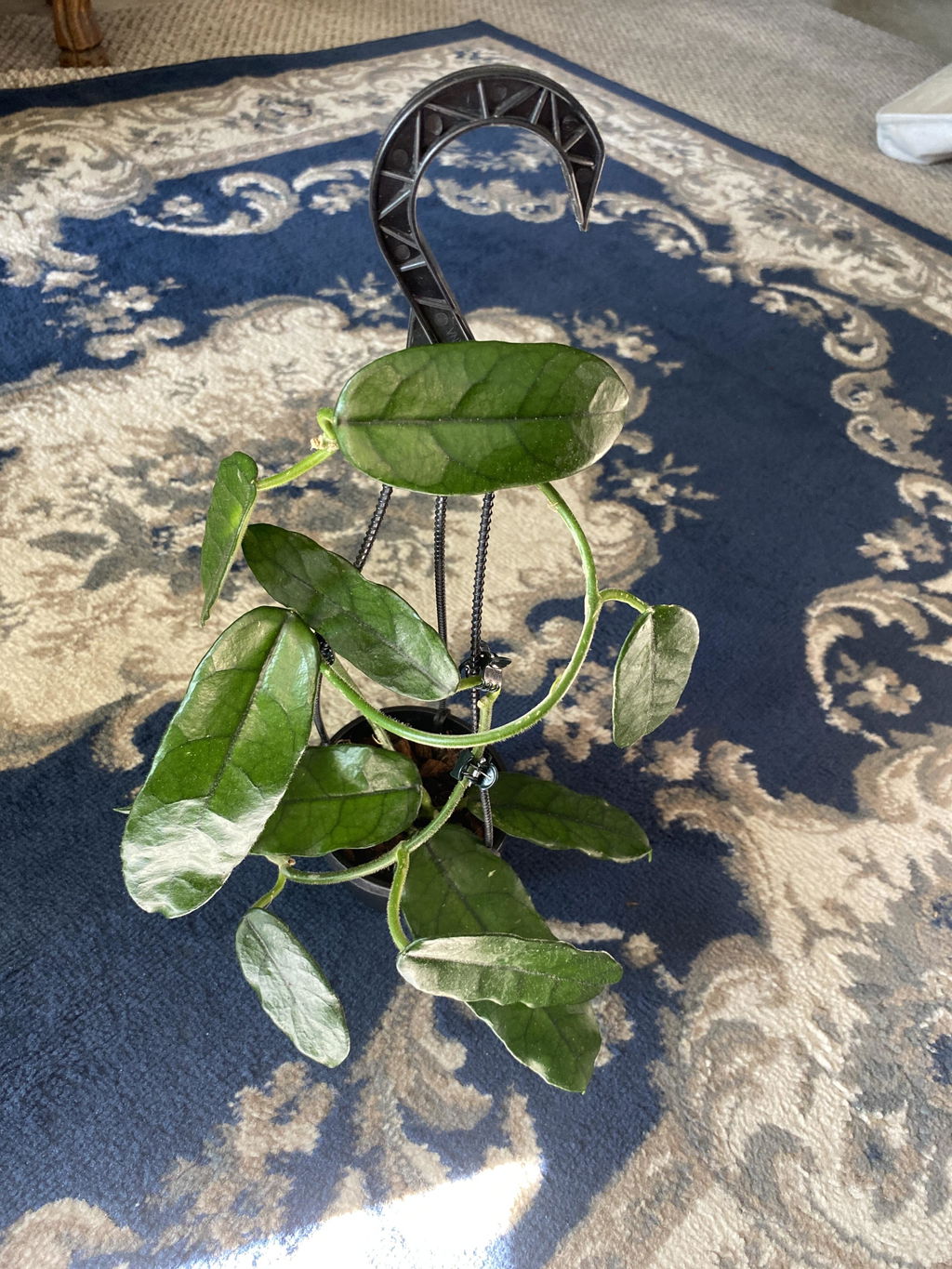
One of my favorite Hoyas. Arrived in perfect condition. The package had four other plants in it and all were wrapped carefully with no broken leaves/vines.
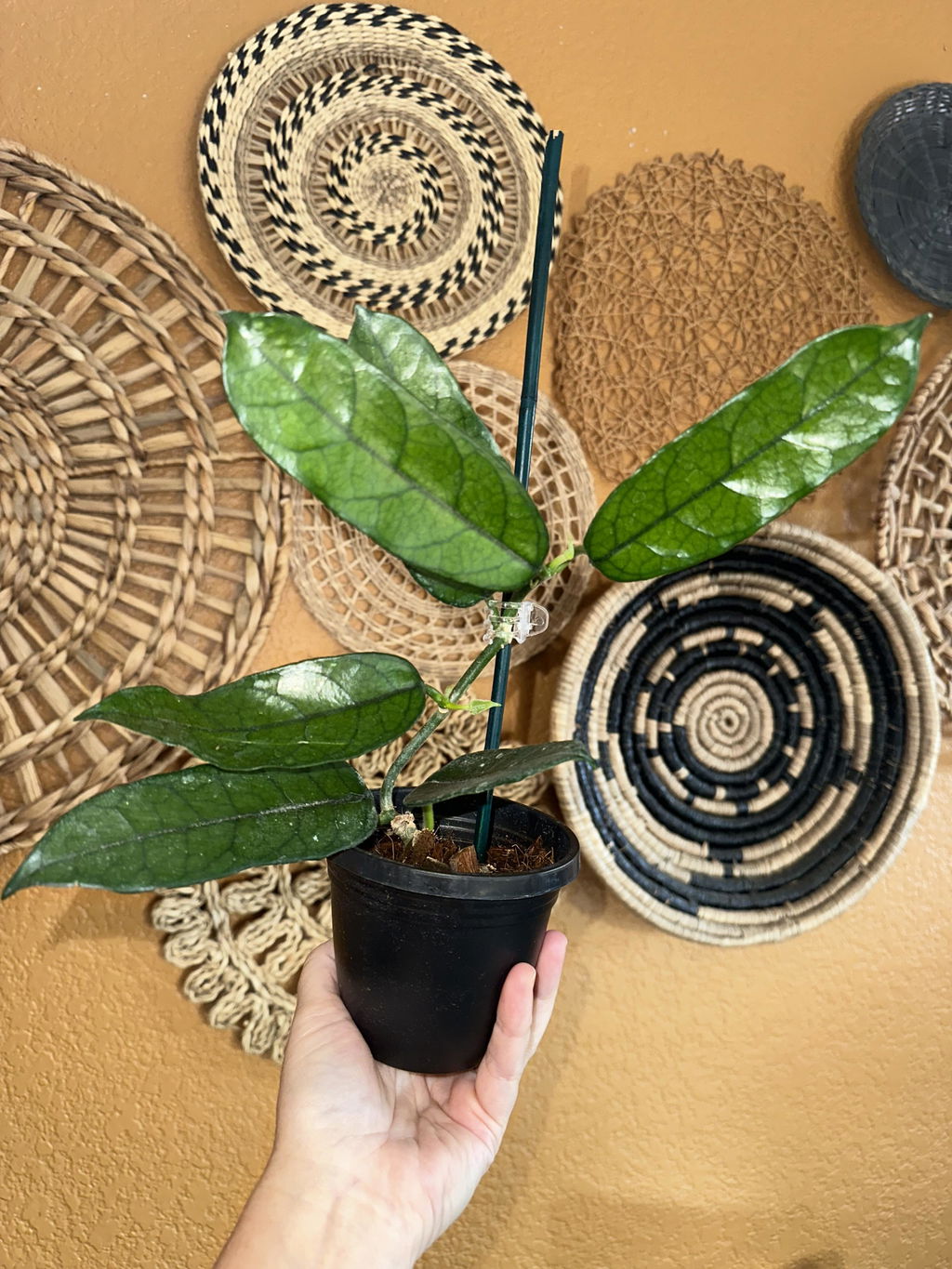
My plants arrived in great condition and are beautiful as usual. I’m addicted to Canopy. Thank you so much!
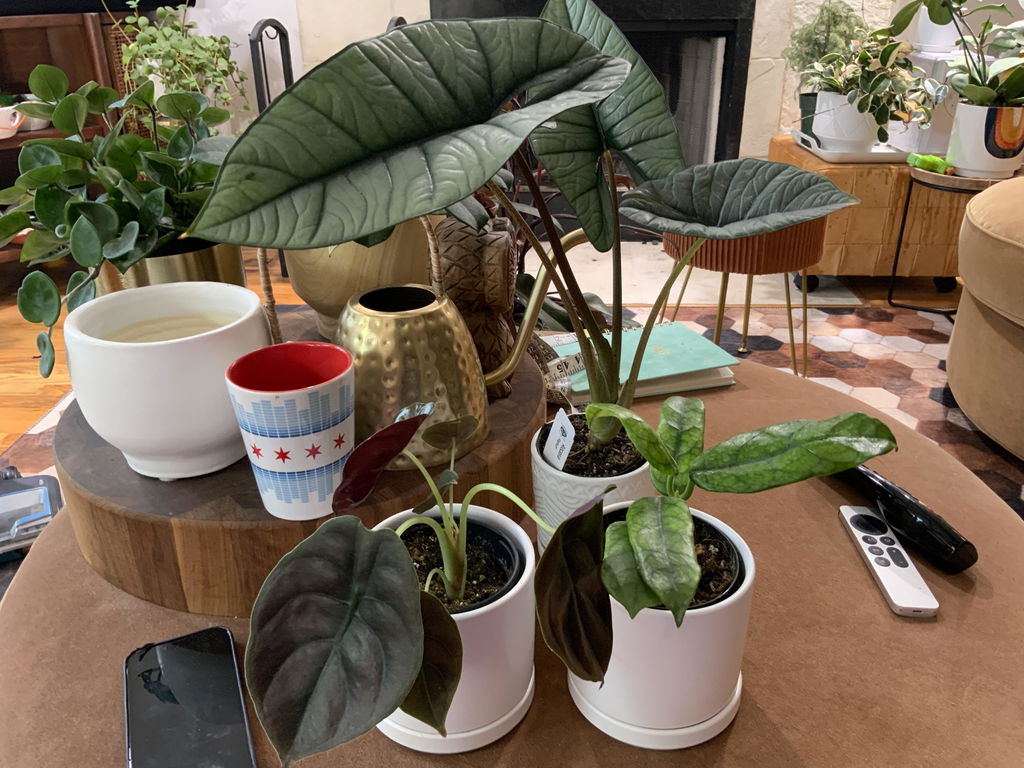
Beautiful plant! Arrived in good condition and packaged well.
Plant is incredible!!! Very surprised and extremely happy. Customer service is also amazing!
Really a pretty Hoya! Dark green shiny leaves! Love it!
I’ve had this plant for over 6 months now. It arrived in great condition and it continues to thrive.
We love hearing that this beauty is still thriving 6 months later! Thank you so much for the update. Enjoy watching this stunner continue to grow
Just wow! I’m blown away from the size of the leaves on this beauty. It’s stunning! So completely satisfied.
All of the plants I ordered from Canopy were large for the price, extremely healthy, and well packaged. Will definitely buy from them again!
I had to resist the urge to get two!
Hoya Globulosa is a show stopper. A must have for those of us who are hooked on Hoyas!!
Canopy Plant Co. did it again! I ordered in mid December and it shipped the same day I ordered. (This doesn’t happen every time I’ve purchased). I didn’t pay for expedited shipping, but it arrived within a few days which was very nice. The packing was elite. I could tell they care about their plants arriving well and safe. They added a heat pack for me since it was chilly outside.
Plant arrived with prompt delivery. Item is so healthy.
i love this hoya so much - i love the veining and leaf shape. it arrived perfectly packaged and healthy. i'm very excited to watch it grow
Healthy plant, no pests ever from this company, and considerably larger than what I expected to receive. Thank you!!
Pristine leaves and the basket was full. Staff was very helpful.
Lovely healthy plant as always from Canopy
Extremely happy with my Globulosa plant, such shiny and big leaves 😍
Such a beautiful plant! I’m so happy with it.