


4" Hoya gracilis
Pickup available at Canopy HQ
Usually ready in 1 hour
Care
Care
 Bright indirect light
 Allow soil to dry almost completely
 Pet friendly
Hoya gracilis is an uncommon Hoya species with narrow oblong leaves that exhibit hints of splash variegation.
This Hoya plant grows very well in a hanging basket or climbing a trellis!
Commonly known as Wax Plant, Hoyas are easy to grow indoor vining plants that produce beautiful blooms.
Hoya gracilis care:
Let the soil dry out between watering, taking care not to allow them to sit in water. Make sure to give your new Hoya plenty of bright indirect light.
Additional Hoya information:
Hoya, commonly referred to as "Wax Plant" is a genus consisting of over 500 species.
Hoyas are widely cultivated for their aromatic blooms and unique foliage.
They are native to tropical and subtropical areas all around the world. They can be found in Latin America, Asia, Australia, etc.
Mostly epiphytic, you'll find Hoyas love to climb trees in their natural habitats.
Hoyas have a large range of foliage shapes and textures. They can be found with elongated, deeply veined leaves to thin, narrow leaves and everything in between.
Most Hoya plants can be considered easy to care for. Here at Canopy Plant Co., we only ship the healthiest Hoyas from our Apopka greenhouse.
Sizing information:
Plants are living organisms, so each one is unique and may vary slightly in size, fullness, color, and maturity depending on the season, growing conditions, and current availability. We do our best to match the product photos and descriptions as closely as possible while ensuring you receive a healthy, high-quality plant.

Such a great size and in amazing shape!
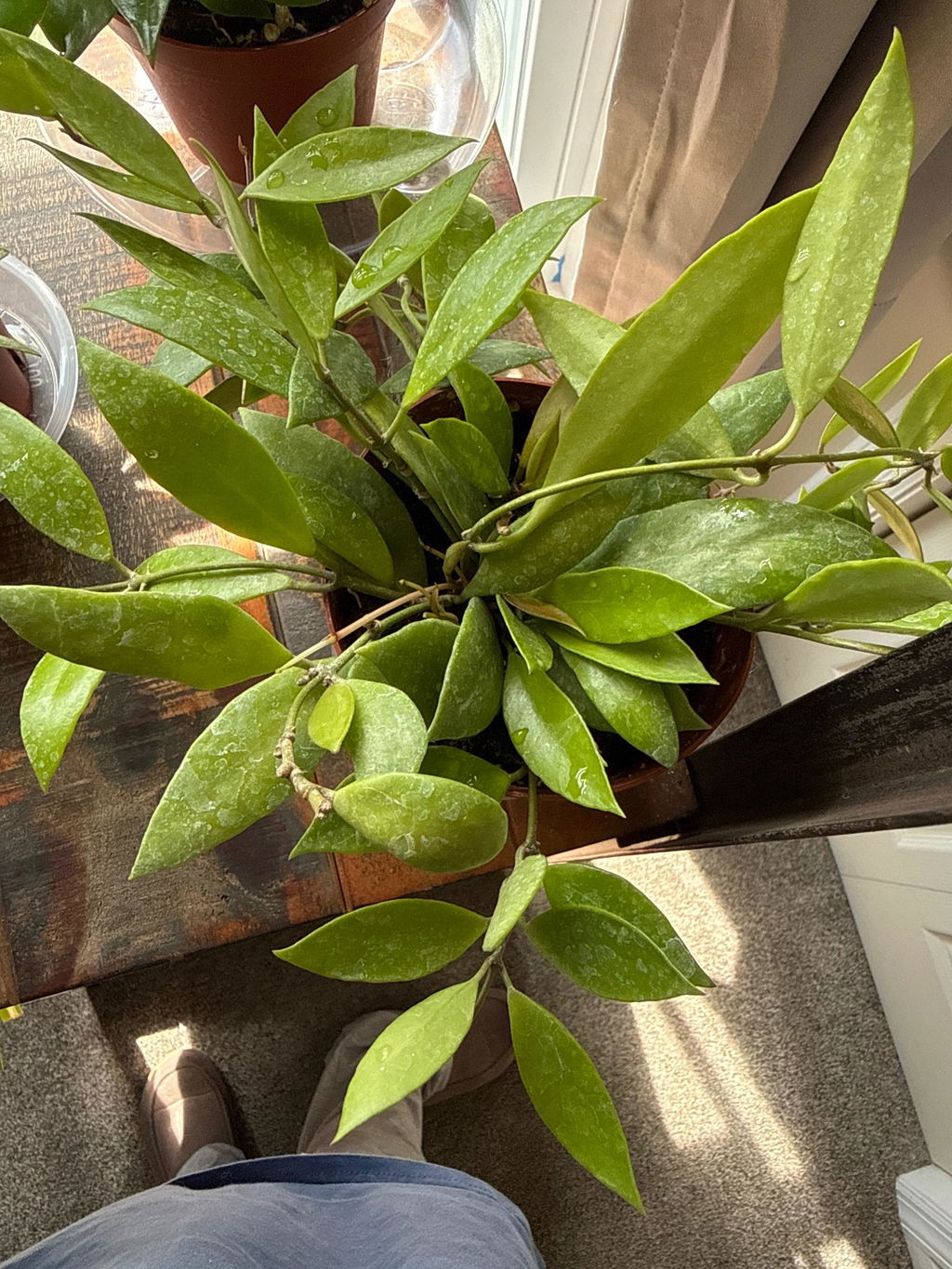
Right out of the box, this plant is perfection. All the leaves are healthy and firm and the plant I received is very full and lush! My only issue with her is that I don’t know if I should trellis her or let her trail. Maybe that means I need to just buy a second one!
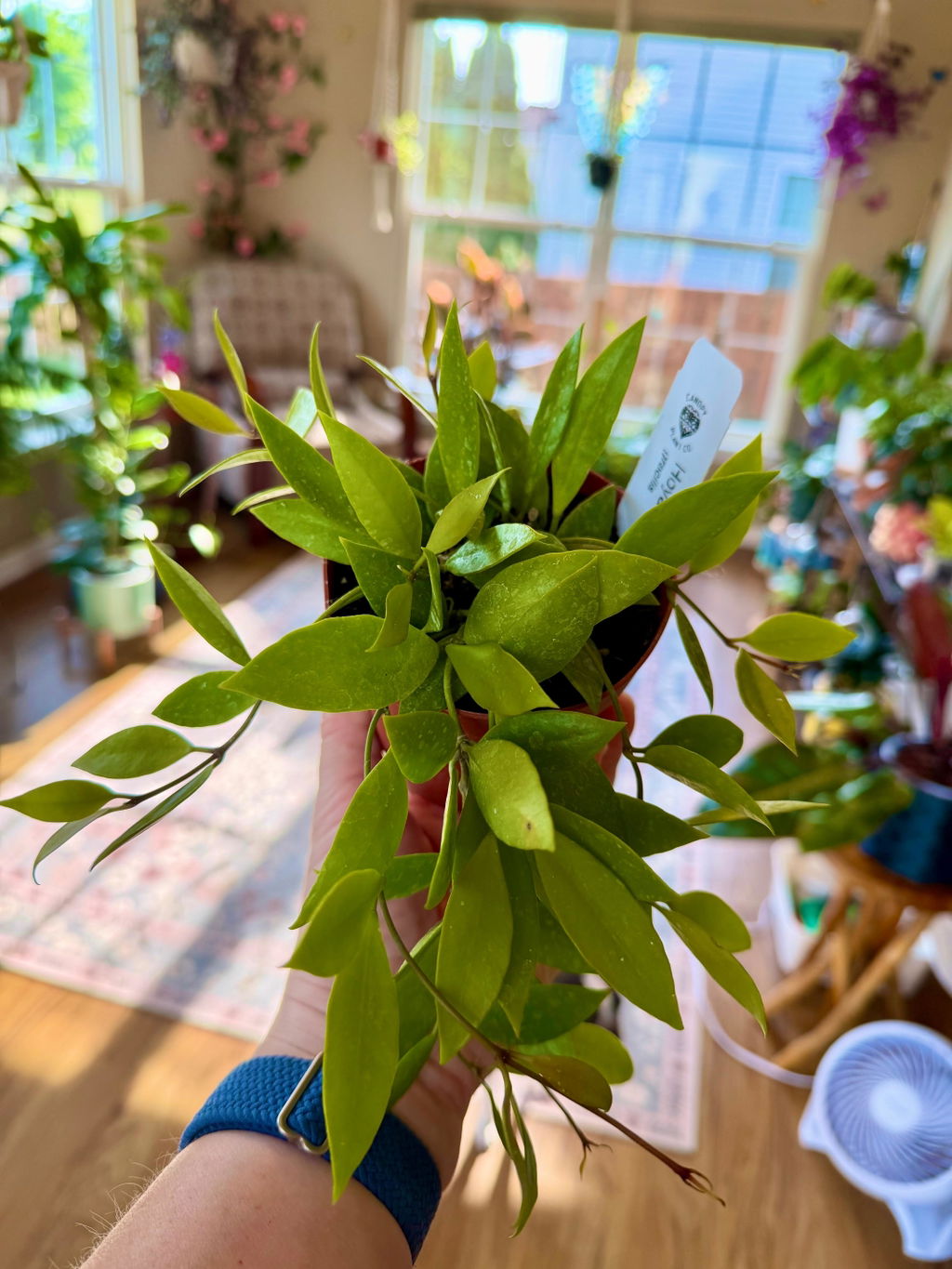
Always loving canopy plant co!!
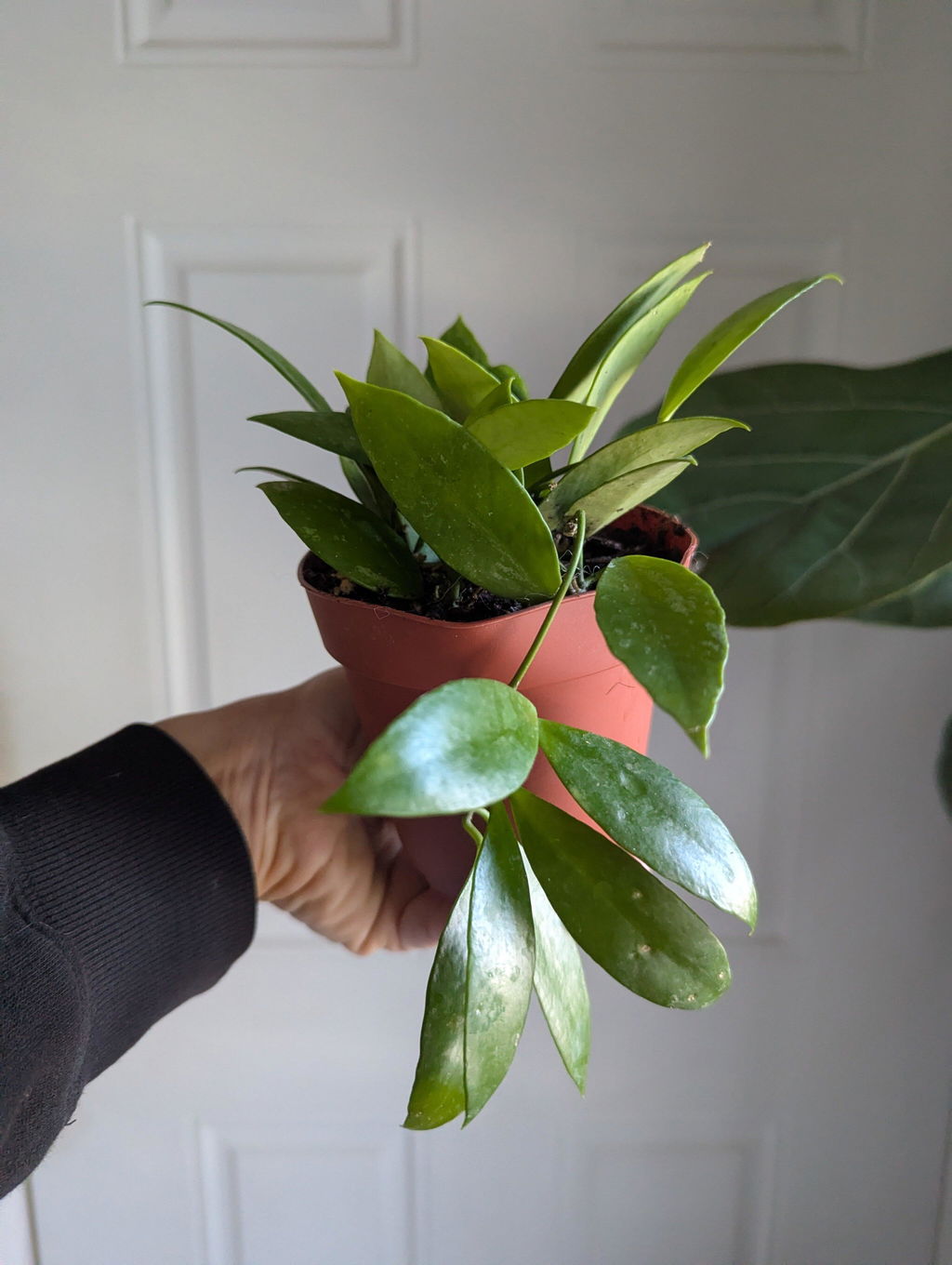
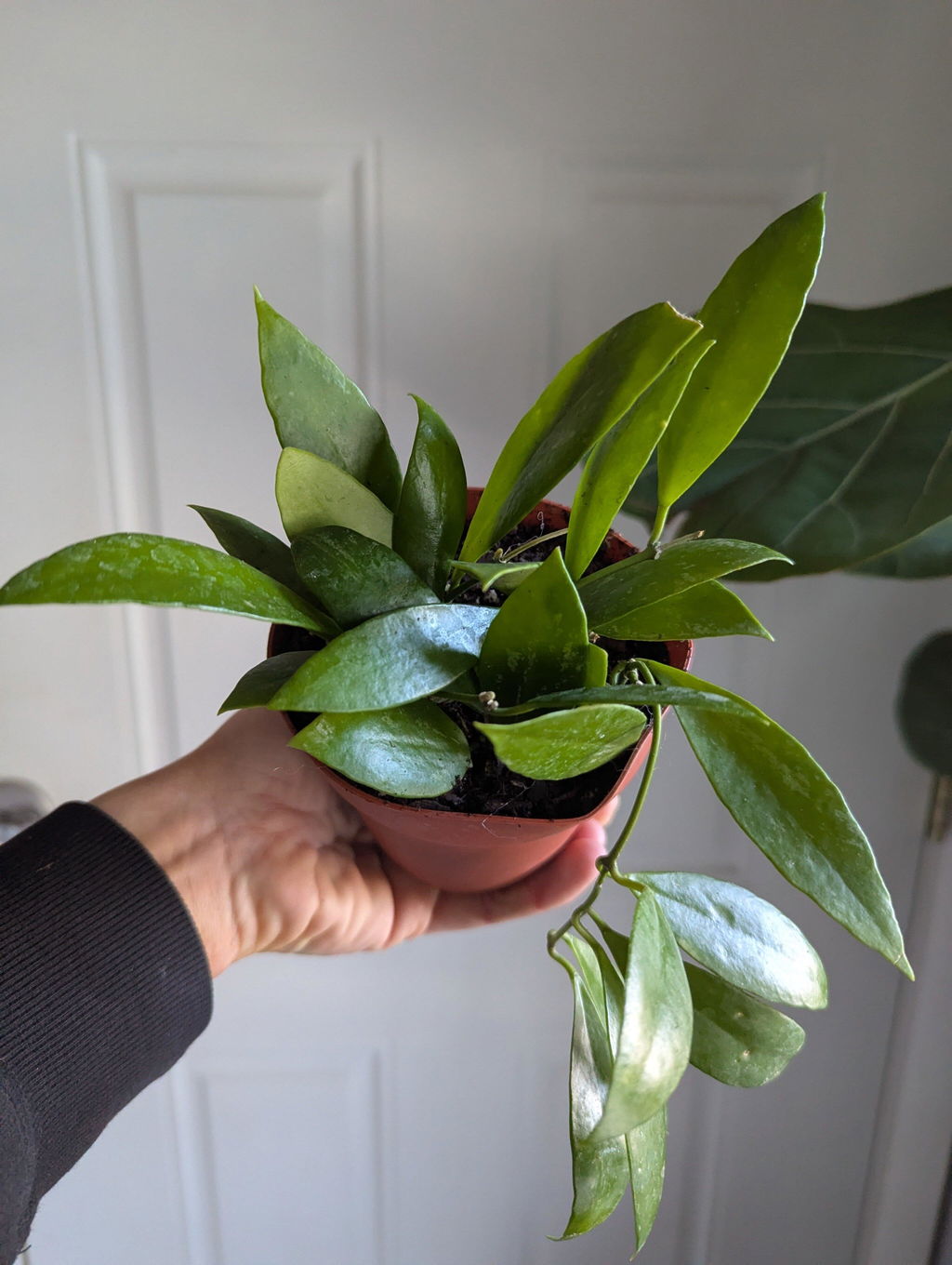
I love this plant! It arrived quickly, well packaged and healthy! It is nice and full for a 4" pot, and a beautiful addition to my plant collection.
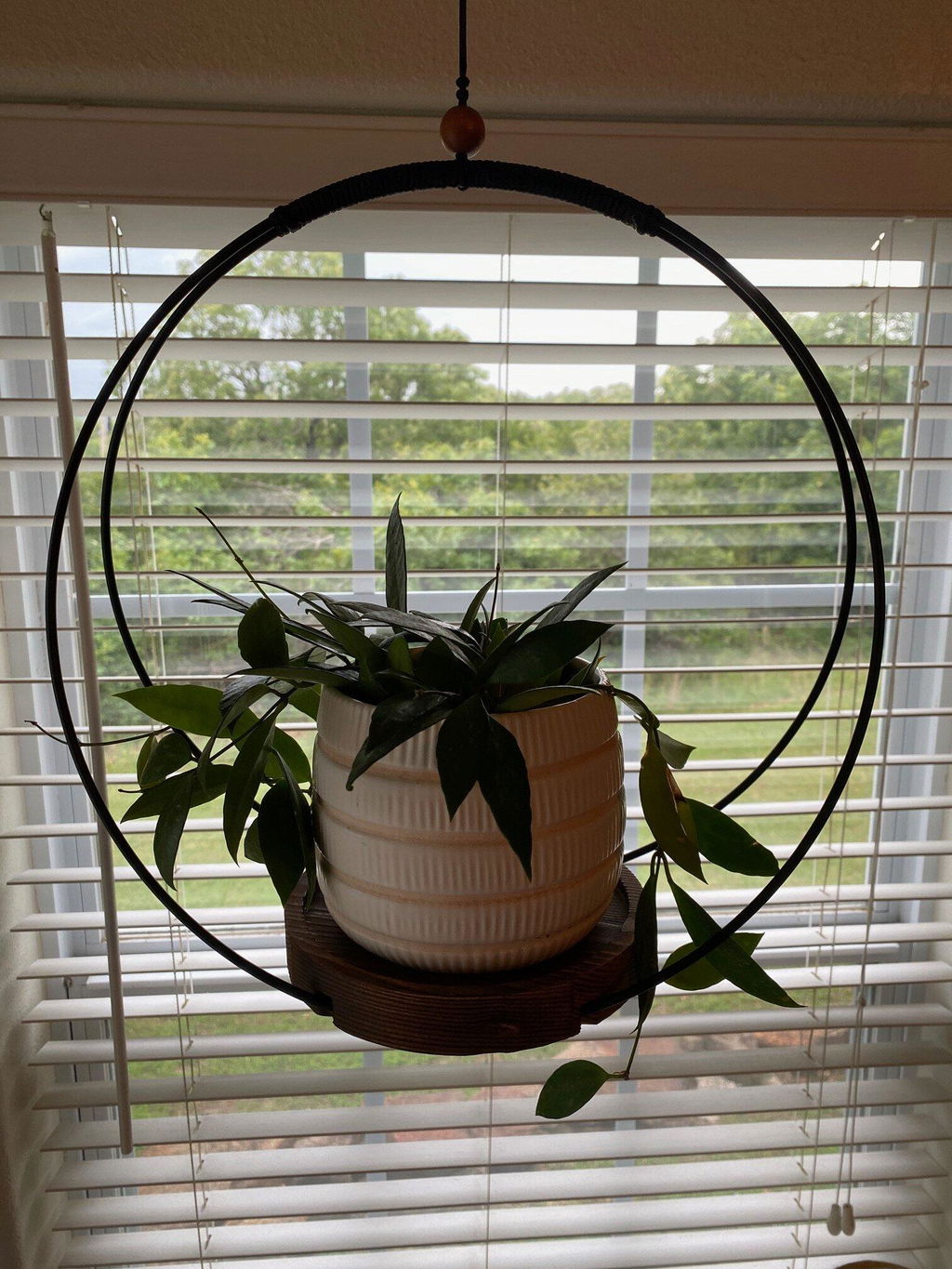
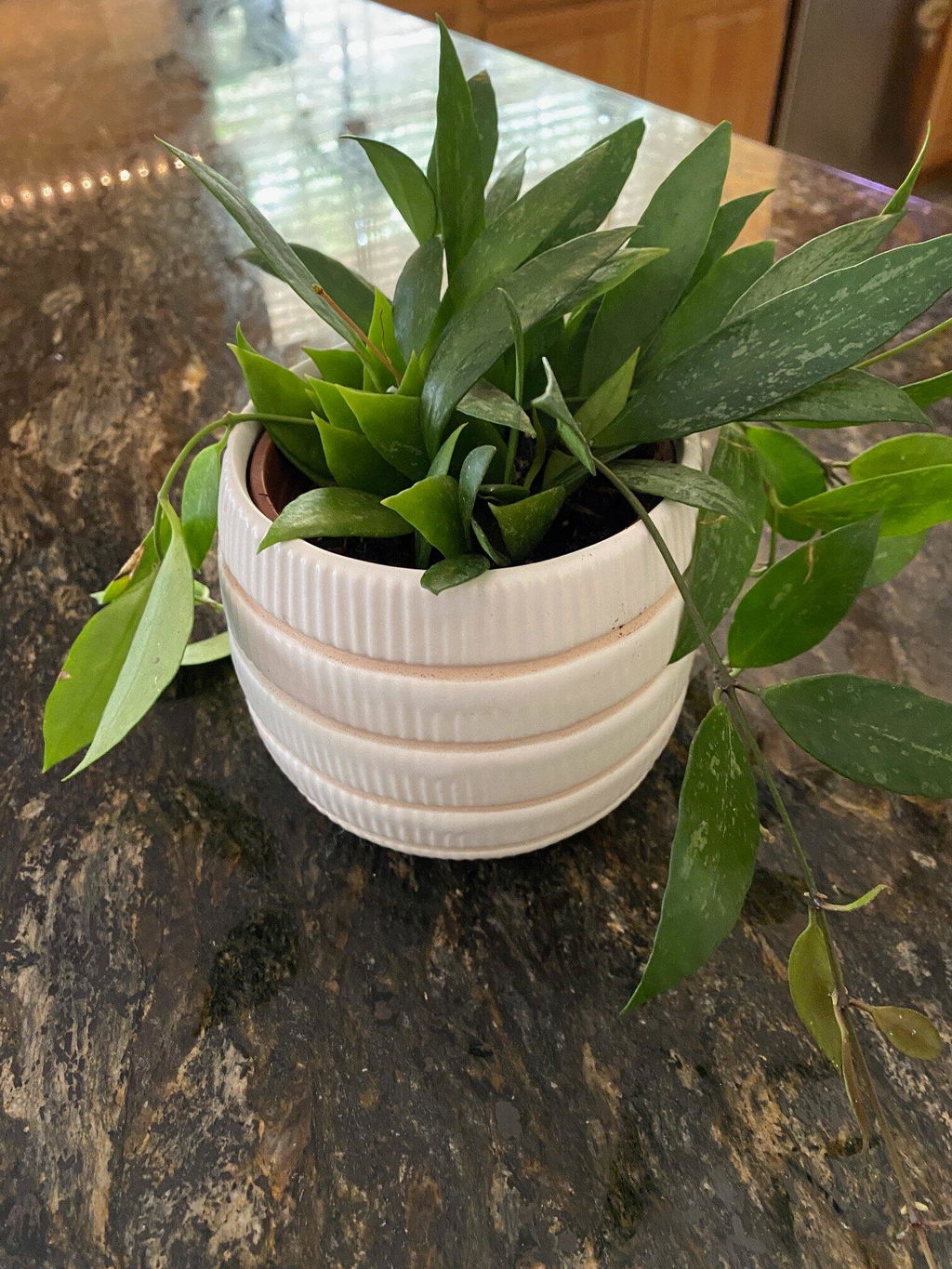
The plant is beautiful and healthy, packaged very will. Love it.
Another wonderful plant. It arrived in excellent condition and is happy in its new home. I so appreciate all the wonderful plants that I’ve purchased from Canopy Plant Co. Excellent plants and service!
Plants arrived in great shape. Packed very carefully. I have ordered Hoyas from your company before and was very pleased. The other companies I have ordered from just don’t measure up to your standards. I’ m sure I’ll be ordering more plants soon. Thank you
I had a small starter plant that looked lonely. The beautiful H gracilis turned it into a wonder potful.
Beautiful Hoya, love how it hangs down over the sides of the pot, cant wait to watch it grow. Another nice plant from Canopy, well packaged & received my order quite quickly.
Looks like the picture. A good plant
Full, dainty, and cute!
Love it!
You’ve stepped up your packaging…very much appreciated! The Hoya Memoria arrived in great condition with many trailing tendrils, she’s a beautiful addition to my Hoya collection.
4" Hoya gracilis (Hoya memoria) hanging basket
Love, love it !
Very healthy just as described ,very well packaged and fast delivery ⭐️⭐️⭐️⭐️⭐️highly recommend thank you so very much
Plant arrived in excellent condition. Packaged very good and very little soil lost. My plant is beautiful and healthy.