


4" Hoya quinquenervia
-
Live Plant Guarantee
7-day live plant guarantee
-
Expert packaging
Safe and secure
-
Grown in Florida
High quality
-
12,000+ reviews
Loved by plant people
This rare and unusual indoor plant, Hoya quinquenervia, features intriguing foliage and is a delight for plant lovers. Perfect for indoor decor, it comes in a hanging basket for easy maintenance and will bring a unique charm to any room.
Hoya quinquenervia:
This plant prefers a well draining soil that is rich in organic matter. Allow the soil to dry out almost completely between watering, taking care to not allow it to sit in excess water. Provide your new plant with plenty of bright indirect light.
Additional Hoya information:
Hoya, commonly referred to as "Wax Plant" is a genus consisting of over 500 species.
Hoyas are widely cultivated for their aromatic blooms and unique foliage.
They are native to tropical and subtropical areas all around the world. They can be found in Latin America, Asia, Australia, etc.
Mostly epiphytic, you'll find Hoyas love to climb trees in their natural habitats.
Hoyas have a large range of foliage shapes and textures. They can be found with elongated, deeply veined leaves to thin, narrow leaves and everything in between.
Most Hoya plants can be considered easy to care for. Here at Canopy Plant Co., we only ship the healthiest Hoyas from our Apopka greenhouse.
Sizing information:
Plants are living organisms, so each one is unique and may vary slightly in size, fullness, color, and maturity depending on the season, growing conditions, and current availability. We do our best to match the product photos and descriptions as closely as possible while ensuring you receive a healthy, high-quality plant.

Frequently Asked Questions
Are Hoyas pet friendly?
Are Hoyas pet friendly?
How often should I water my Hoya?
How often should I water my Hoya?
How much light does my Hoya need?
How much light does my Hoya need?
When will I know when to repot my Hoya?
When will I know when to repot my Hoya?
How do I get my Hoya to bloom?
How do I get my Hoya to bloom?
Why are my Hoya leaves wrinkly, soft or yellowing?
Why are my Hoya leaves wrinkly, soft or yellowing?
Why is my Hoya producing long vines with no leaves?
Why is my Hoya producing long vines with no leaves?
Really pleased with this Hoya very large and healthy
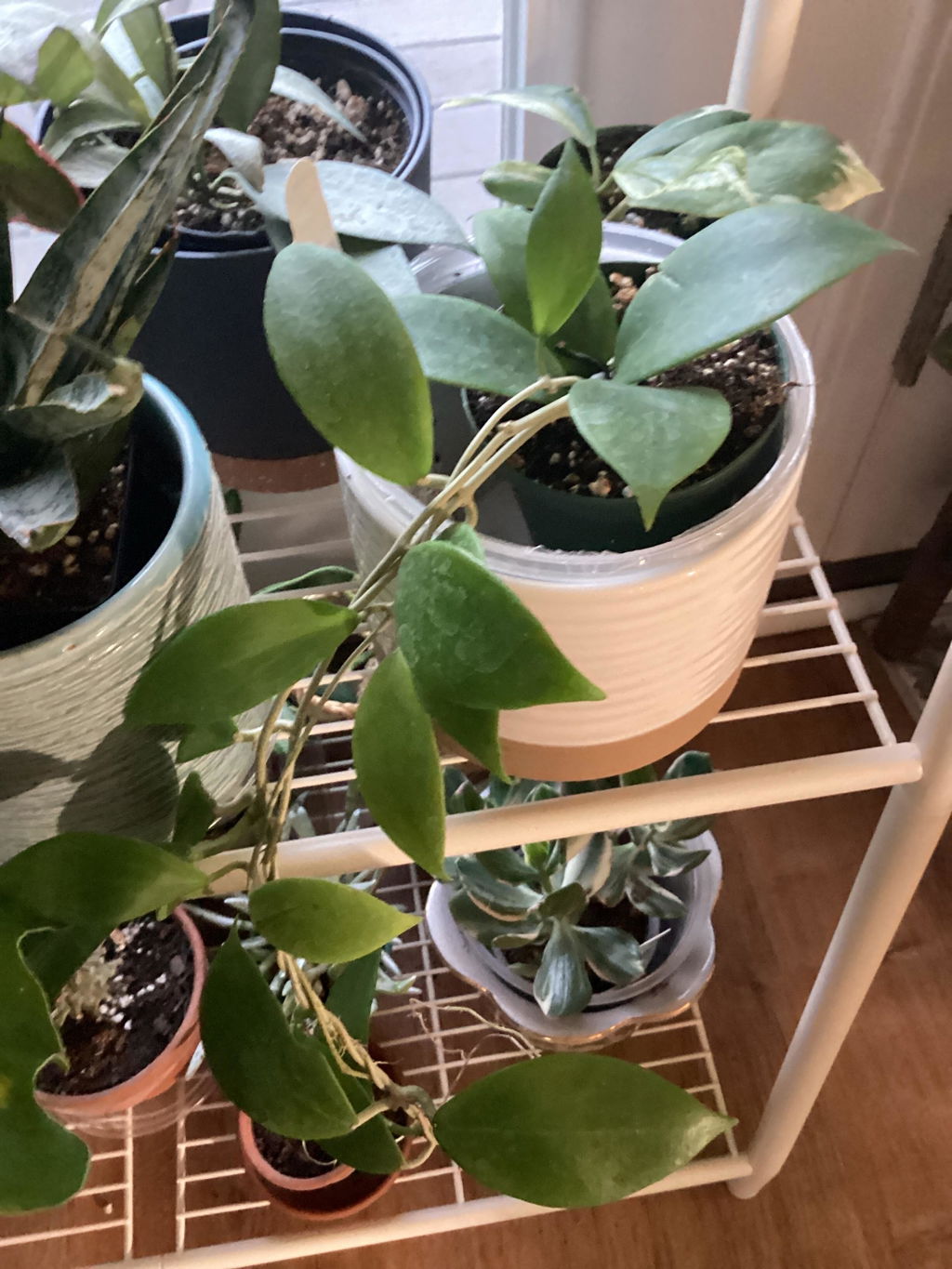
I received my gorgeous healthy plants and healthy plants . The packaging is so excellent. I highly recommend Canopy plant nursery .
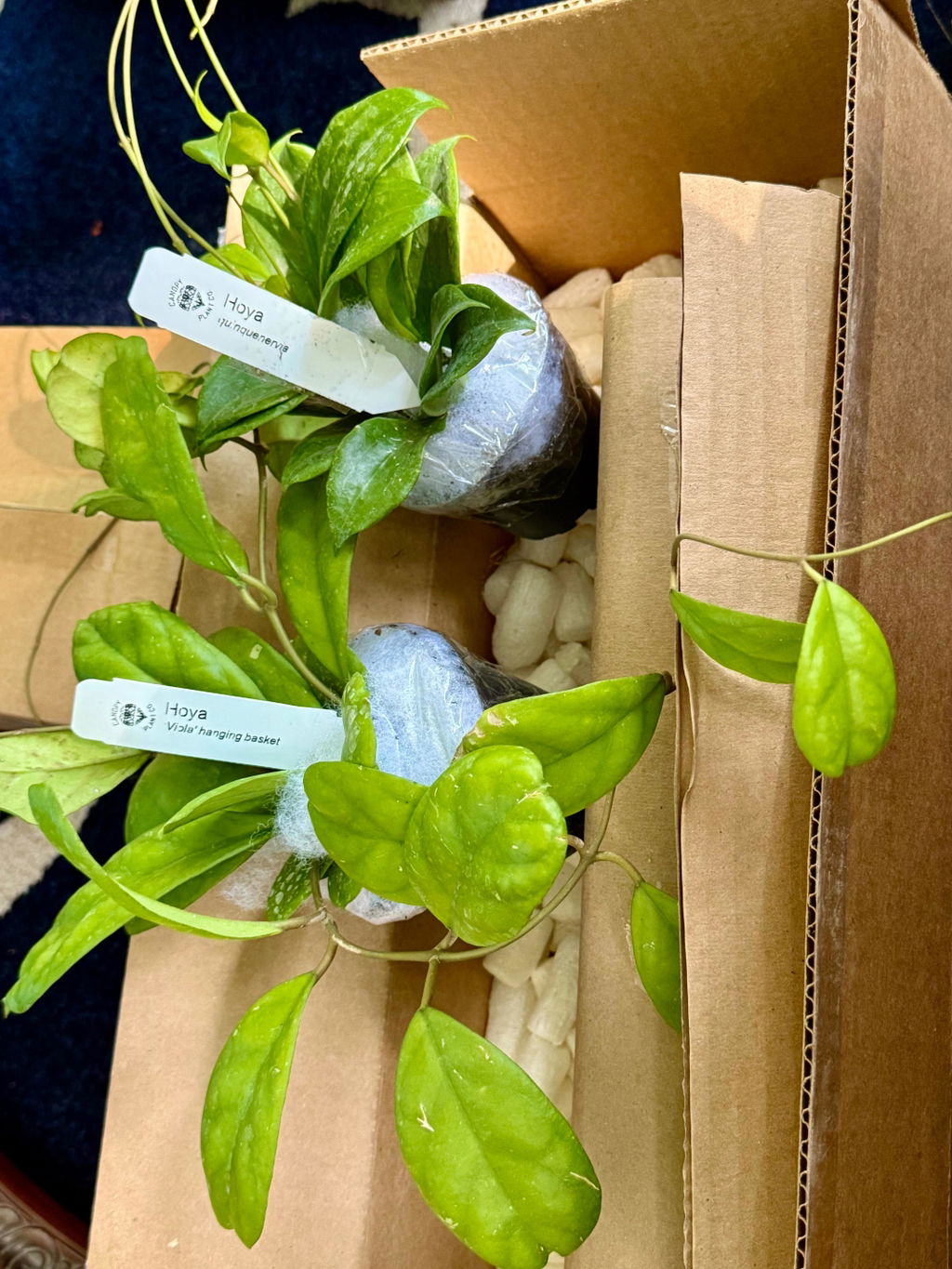
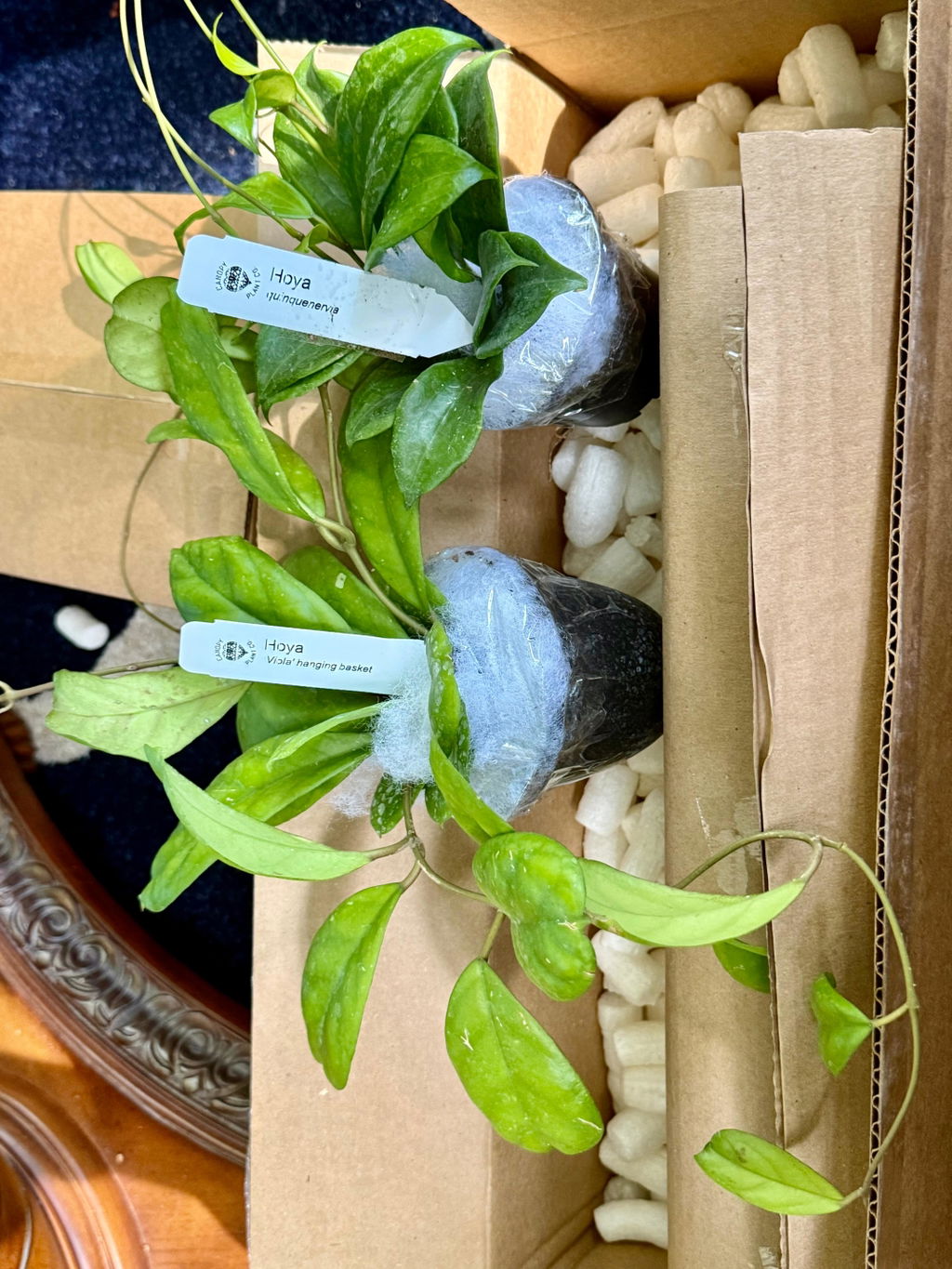
Another healthy plant from Canopy! Full, beautiful and shipped securely!
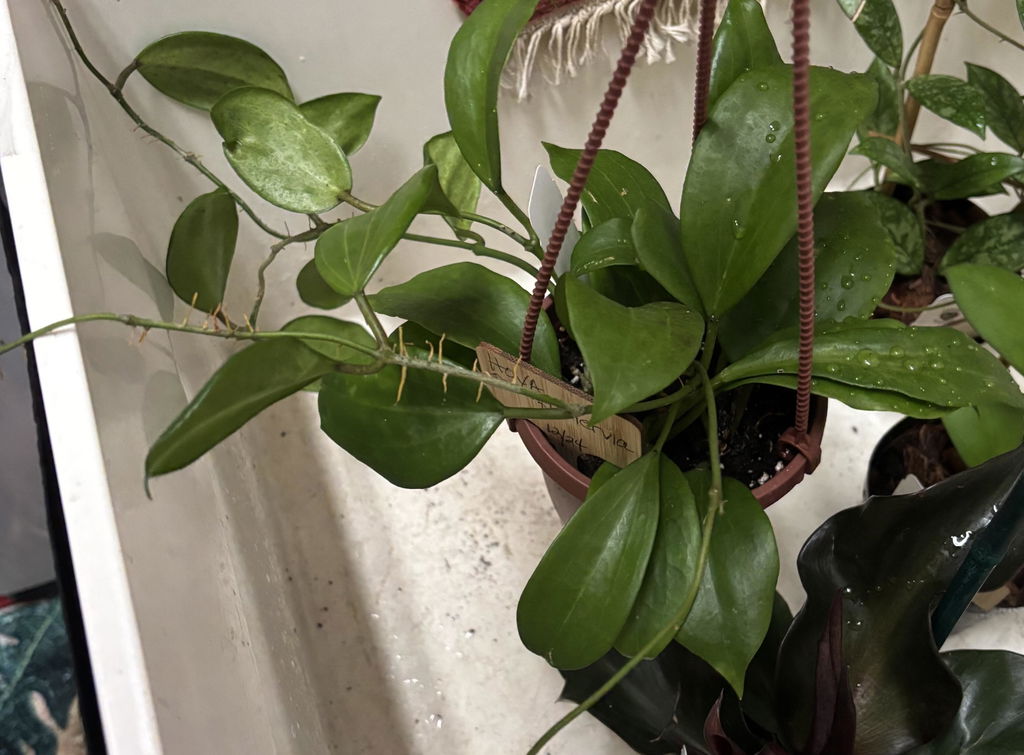
Excellent condition
This is a very healthy, full 4 inch hanging basket. I received my order 4 days ago and I have new growth on this beauty. Received the plant quickly, perfectly packaged and an absolutely perfect plant. I am making a list for my next order now.
Love to hear it’s already putting out new growth! ✨ Sounds like it’s thriving beautifully in your care.
These hoyas came in great condition and continue to thrive! Will definitely purchase more.
Purchased 2 Hoyas. Arrived in great condition.
Thank you for your review! We're so glad your Hoyas arrived in great condition — happy growing! 😊
The Hoya arrived right on time and so well packaged. You would never know it was shipped!
Absolutely beautiful and very healthy.
I love all their Hoyas!
Receive a very nice full plant, I love that a lot of the Hoya's come in hanging baskets. Order came quickly, faster then I expected it would and all the plants in my order were packaged very nicely, with a heat pack included.
We are glad to hear that your plant was recevied well. We take pride in our ability to get orders out quickly and safely. Enjoy your new plant!