


4" Alocasia ‘Black Velvet’
-
Live Plant Guarantee
7-day live plant guarantee
-
Expert packaging
Safe and secure
-
Grown in Florida
High quality
-
12,000+ reviews
Loved by plant people
Pickup available at Canopy HQ
Usually ready in 1 hour
Care
Care
 Bright indirect light
 Water when soil is mostly dry
 Loves humidity
Alocasia reginula ‘Black Velvet’ is the crown jewel of the jewel Alocasia world — a compact, slow-growing species that produces some of the most dramatic foliage of any houseplant. Its thick, rigid leaves are a deep, near-black green with a velvety matte texture and bold, bright white veining that creates a striking graphic contrast. The effect is almost surreal: a plant that looks like it was designed by an artist.
Black Velvet stays compact, typically reaching 1–2 feet in height, making it ideal for shelves, terrariums, and display spaces where its extraordinary foliage can be appreciated up close. It’s a slower grower than many Alocasia, but each new leaf is a genuine event.
Care guide: Bright indirect light is ideal — it maintains the deep color and the contrast of the white veining. Avoid direct sun, which can bleach the leaves. Plant in a well-draining aroid mix rich in organic matter. Allow the soil to dry out between waterings; if the leaves begin to curl inward or droop, it’s time to water. Higher humidity (60%+) is preferred and encourages healthier, more vigorous growth. A must-have jewel Alocasia for any serious collector.
Additional information:
Alocasia is a genus of plants in the Aroid family native to many parts of Asia including but not limited to Indonesia, Malaysia, Philippines and Australia.
There are at least 90 officially recognized Alocasia species, with more discovered and properly named every year. Alocasia come in all sizes, from small to large. Jewel types like Black Velvet tend to stay on the bushier, more compact side.
Alocasia are rhizomatous or tuberous and self reproduce from corms.
Alocasia can go dormant during the cooler months, so try to provide your plant with temperatures above 50deg to ensure that they stay happy and healthy during this period.
Sizing information:
Plants are living organisms, so each one is unique and may vary slightly in size, fullness, color, and maturity depending on the season, growing conditions, and current availability. We do our best to match the product photos and descriptions as closely as possible while ensuring you receive a healthy, high-quality plant.

I’m extremely delighted with his purchase. This is a beautiful plant and I want to get more variations of it.
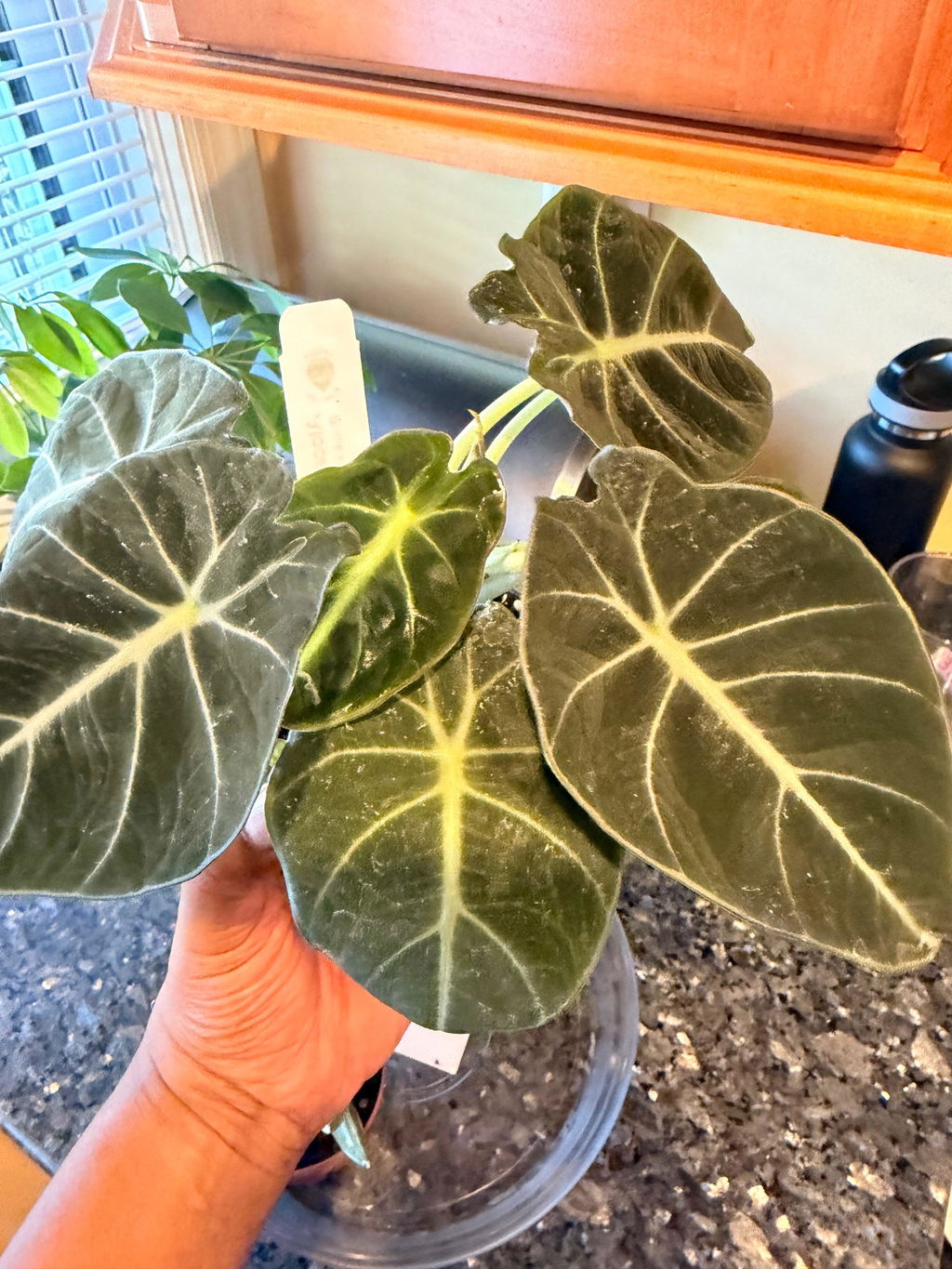
Lovely plant, packaged with care. Seems to be healthy since it pushed out a new leaf without any of the other leaves dropping.
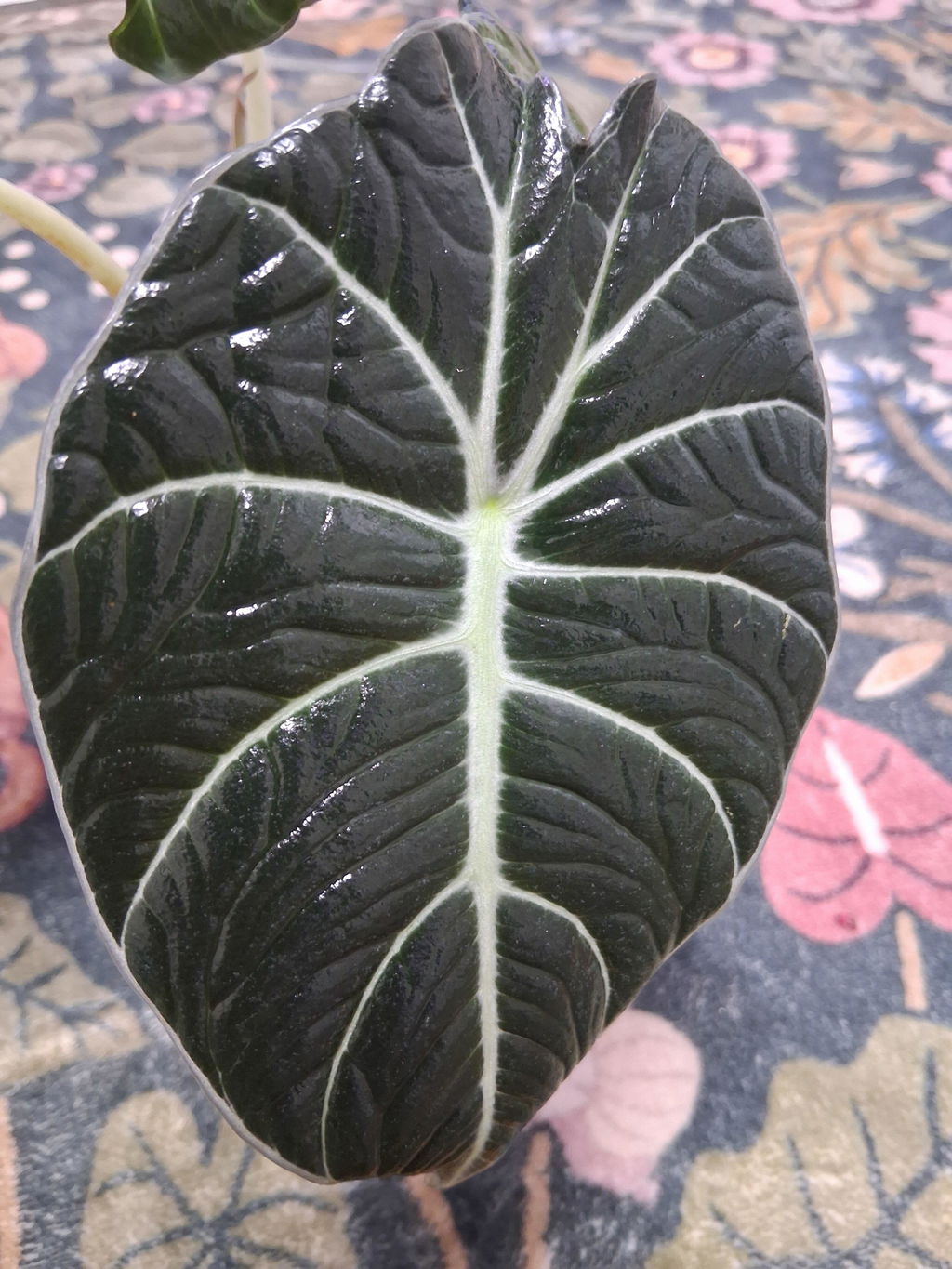
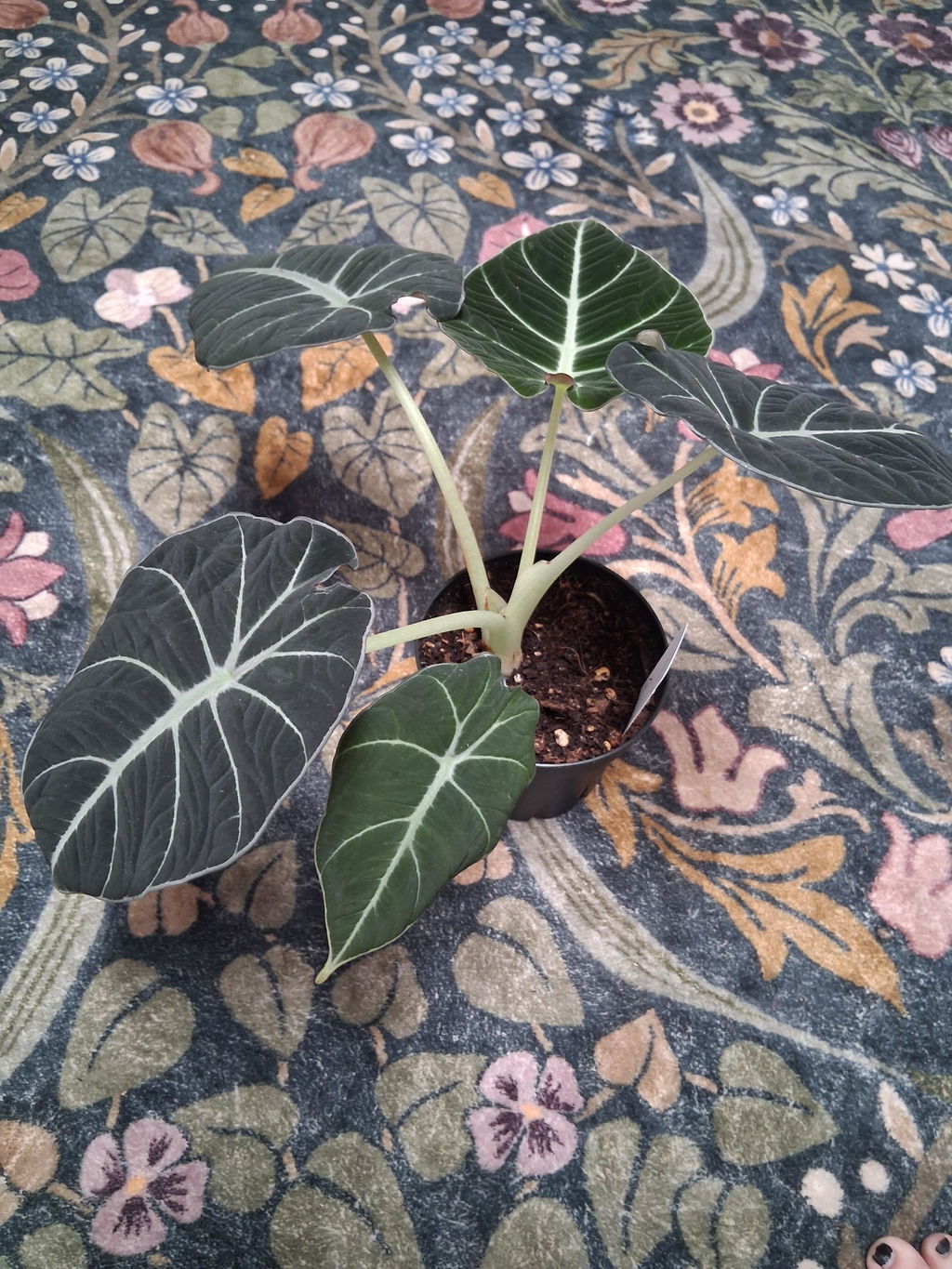
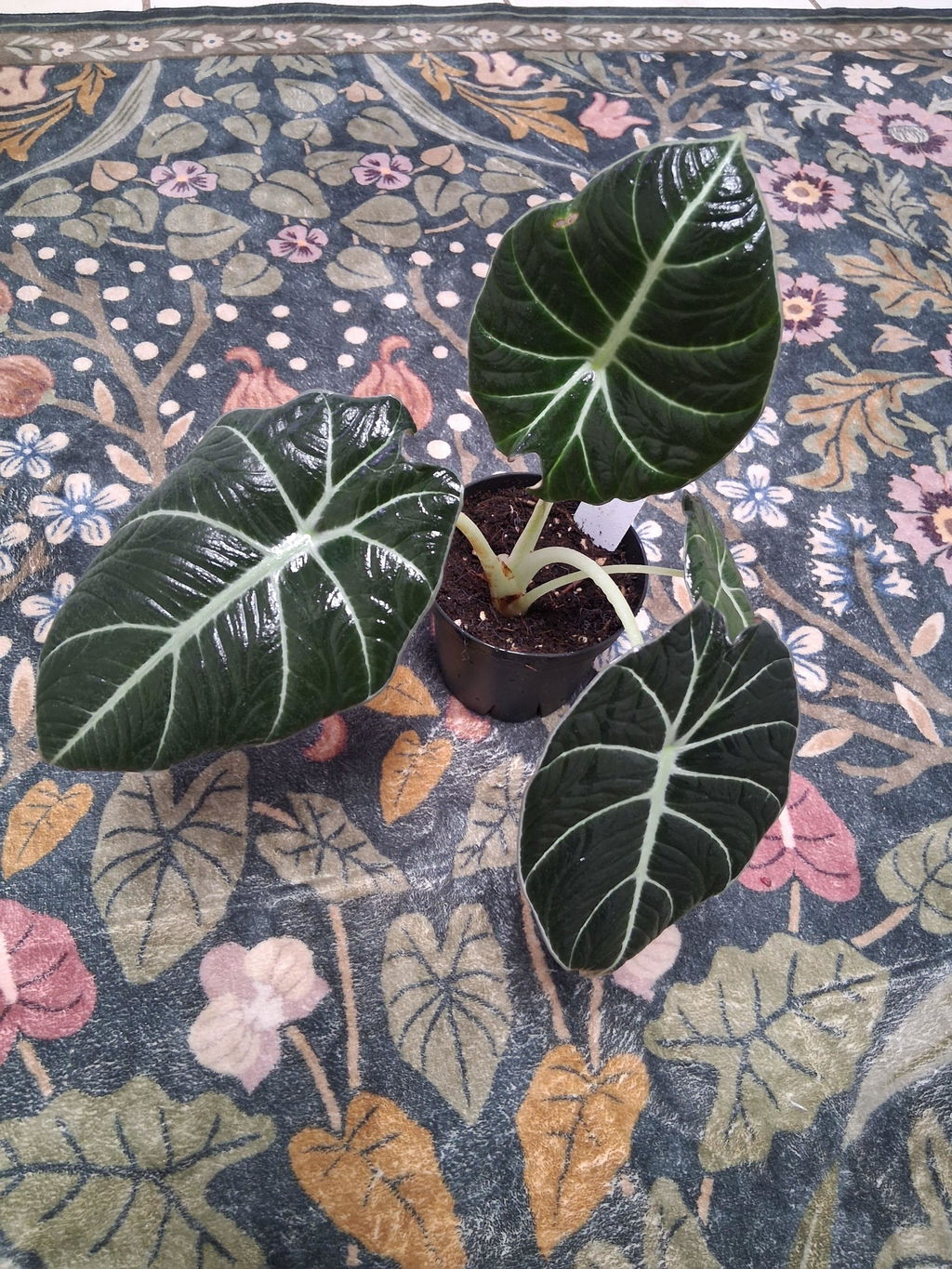
I can always count on quality plants and packaging with you guys, every order has been shipped out quickly. I can’t wait to make my next order to add to my collection.
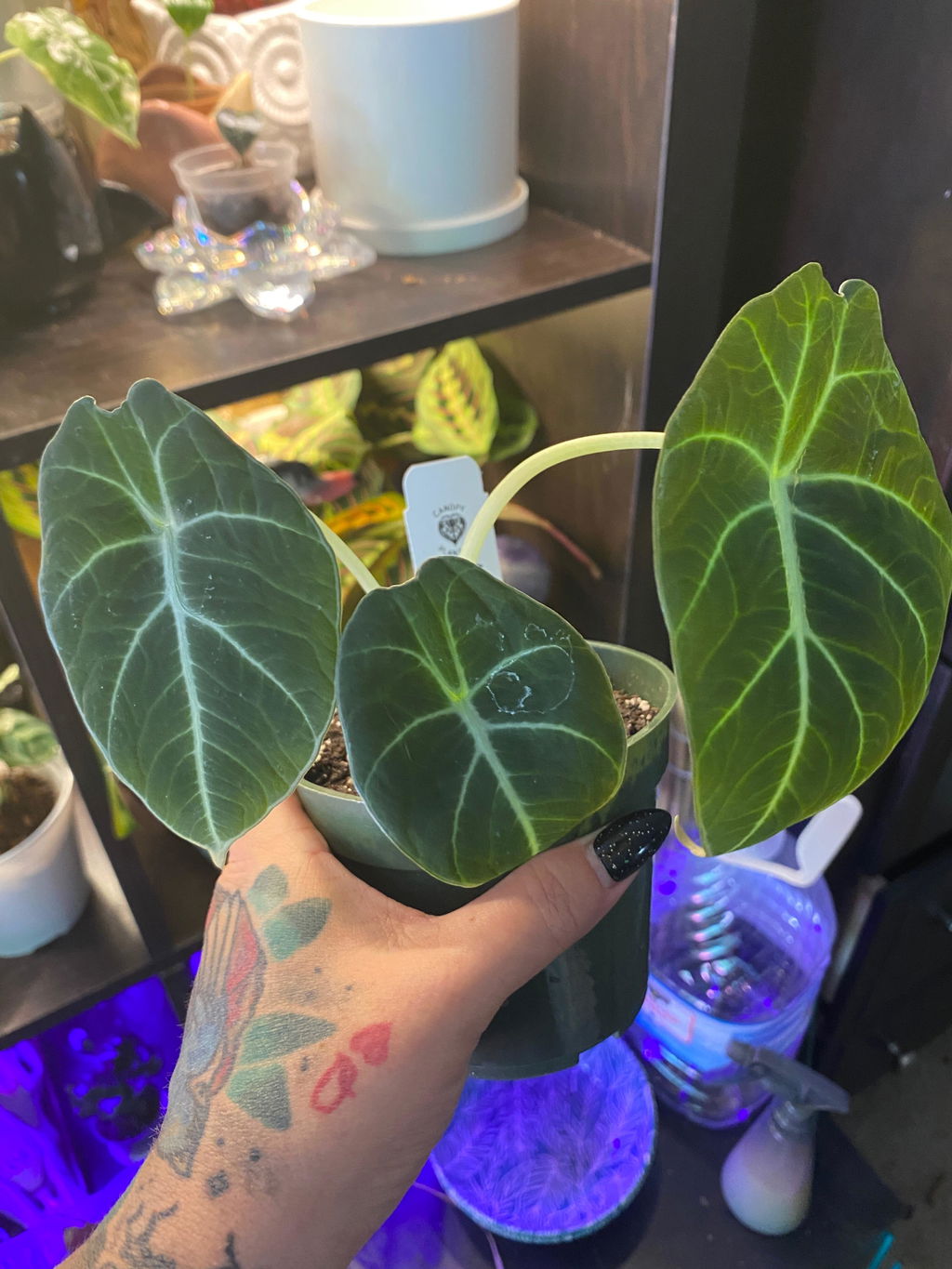
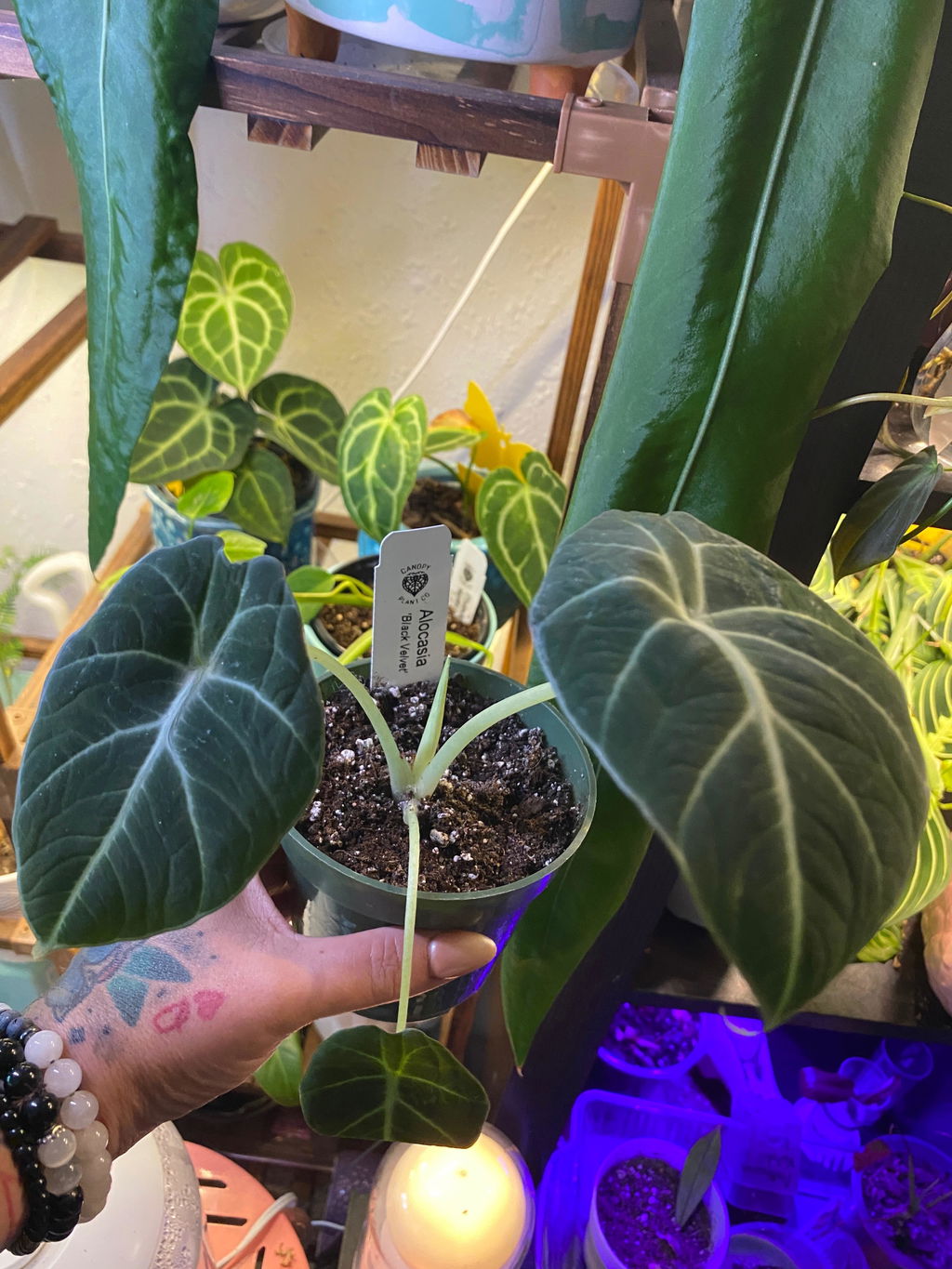
That means the world — thank you so much,
We pack with care and a special touch!
Fast shipping, happy plants, it’s what we do,
Can’t wait to send the next one to you! ✨
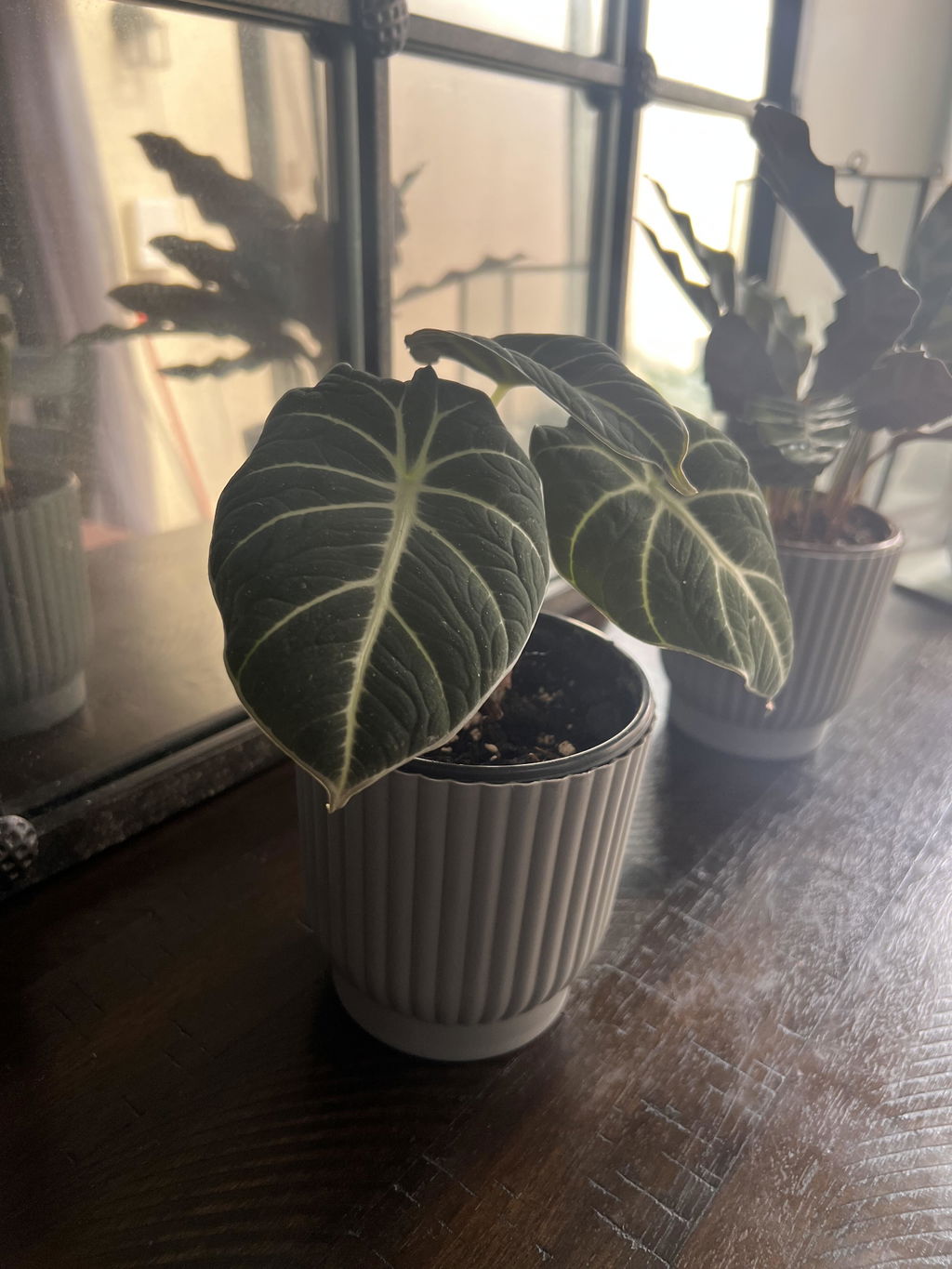
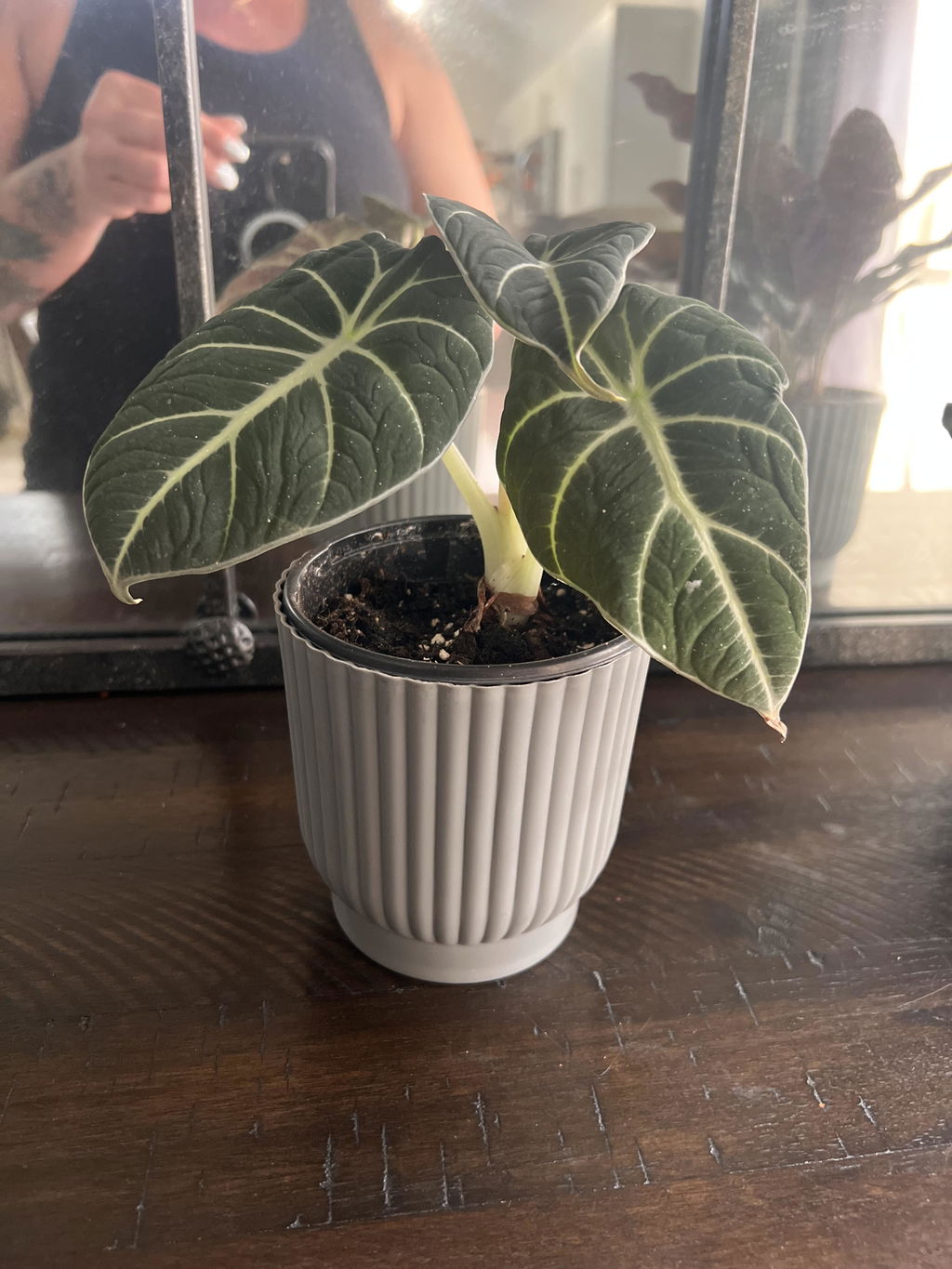
She is absolutely perfect! Beautiful healthy leaves and is thriving. Thank you for your excellent care of all your plants
I’ve placed a few orders from Canopy. Each order was packed well - in fact (if you didn’t know), the packing peanuts are those biodegradable corn ones that melt in H2O. Better for the environment and they don’t take up space in landfills…or your trash can.
This was my first Alocasia (I have two). It really is that easy to grow, it really is that velvety, and the vein really does give off a Crystalline Entity vibe. (Star Trek reference, of course.). Speaking of aliens, it bloomed recently. I’ve only had it for a couple of months and it’s still in the grower pot. The photo is mainly of the bloom (that is being photobombed by a Squamiferum).
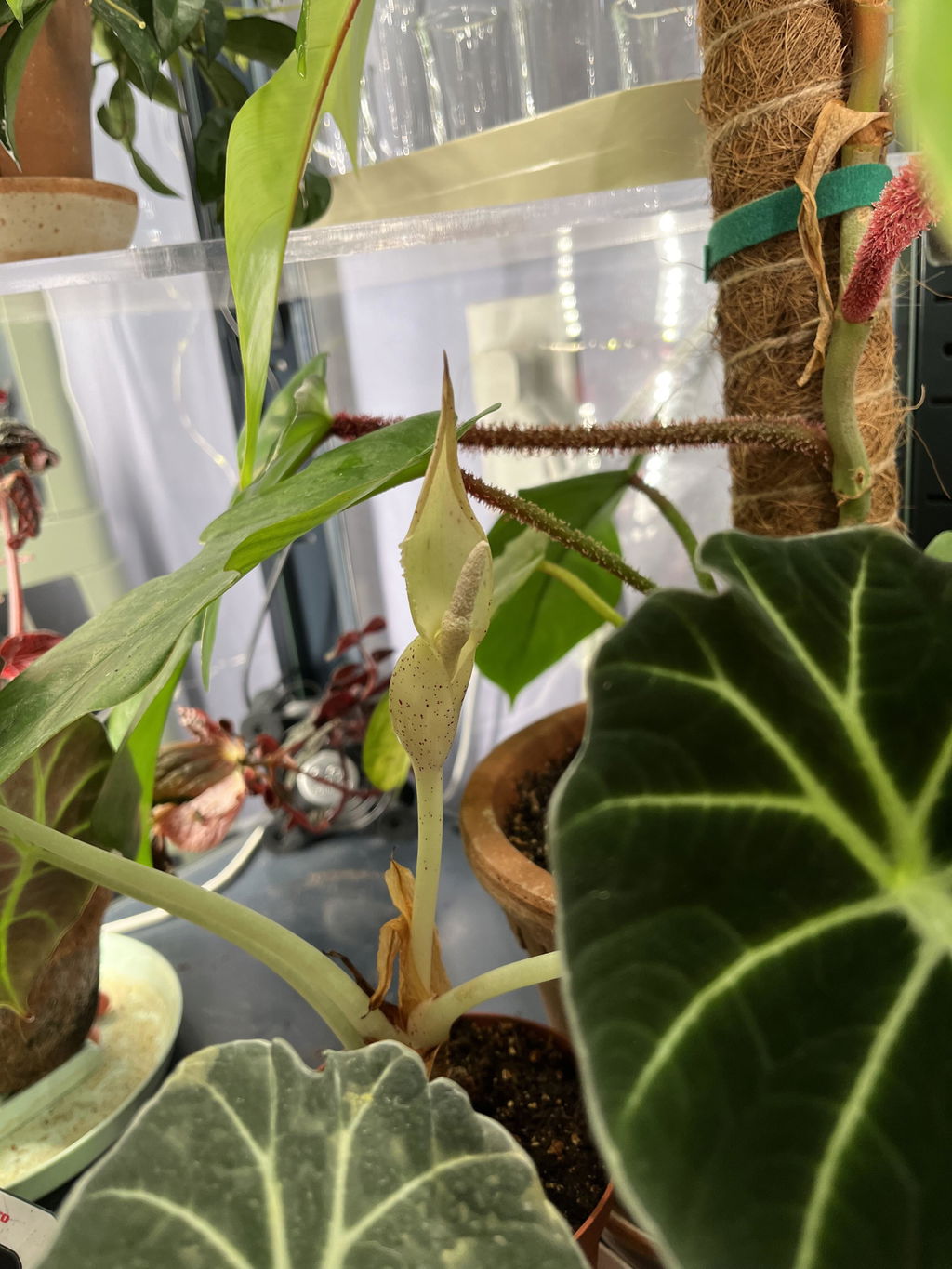
Stunning plant. Shipping was quick abs the packaging was fantastic. I’ll definitely be ordering from this company again.
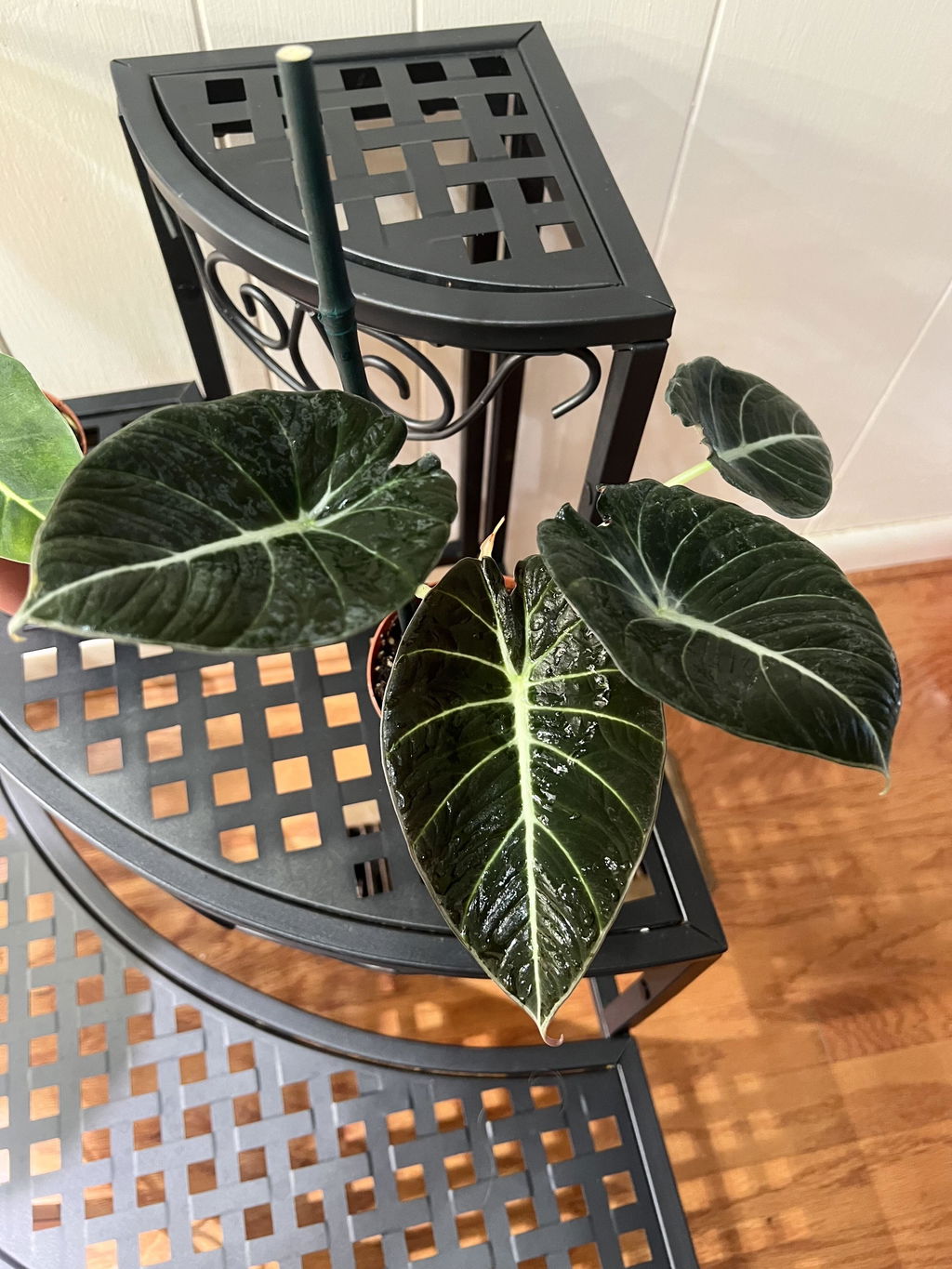
I've fallen all out in love with this lil gal. The quality of plants is alway fantastic. Shipping was absolute perfection
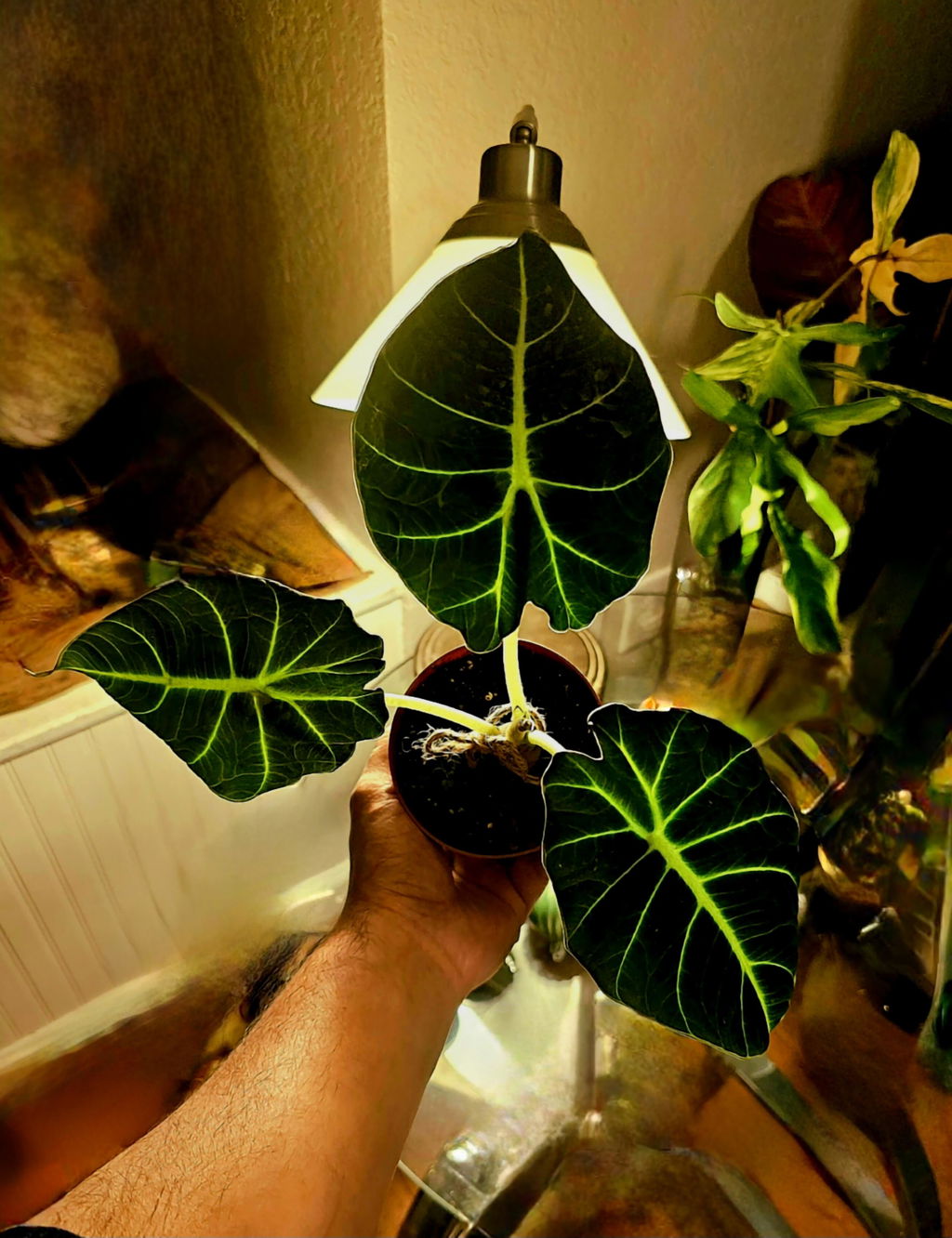
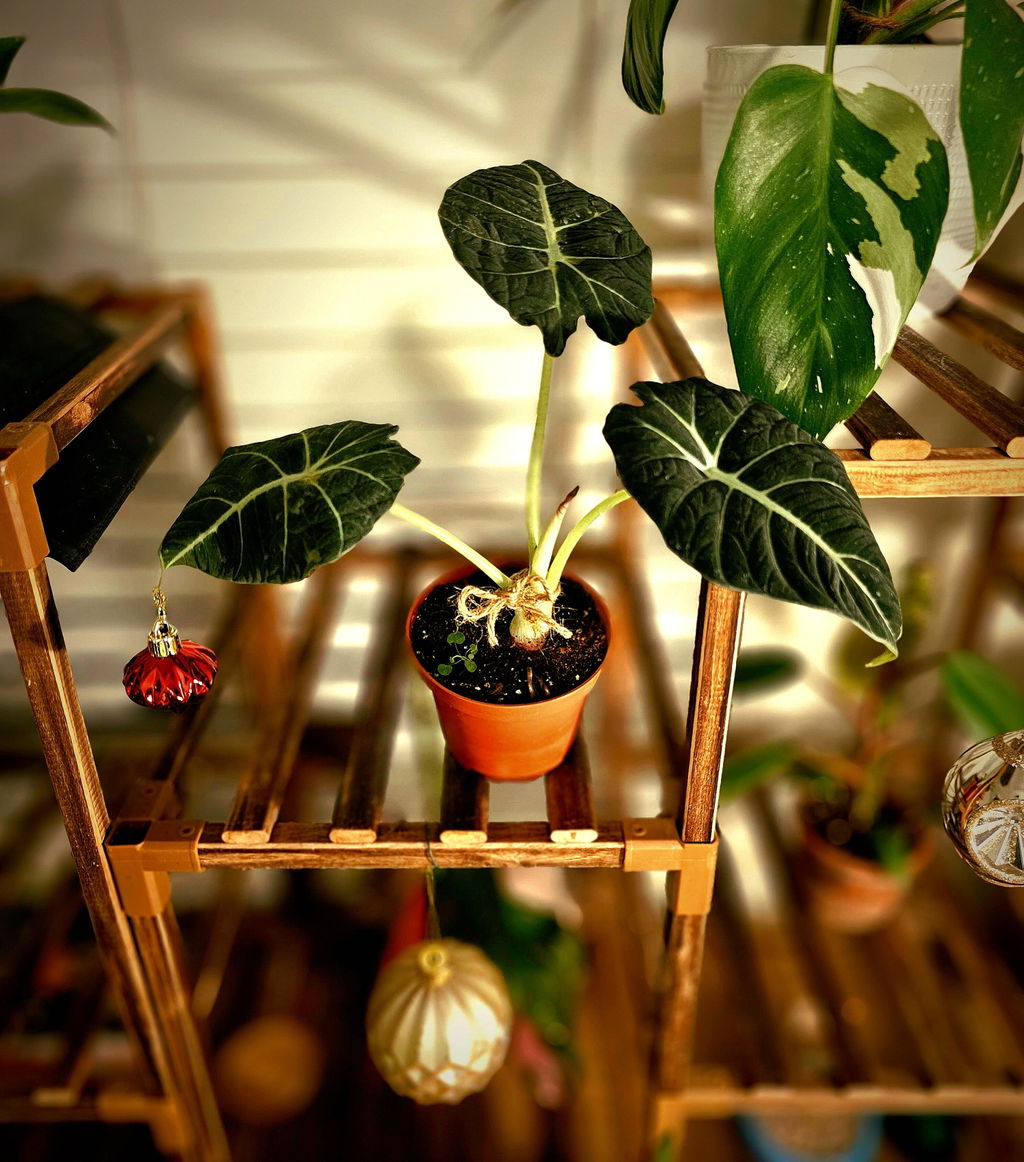
Plant came is great condition. Had questions about the plant and customer service was great!
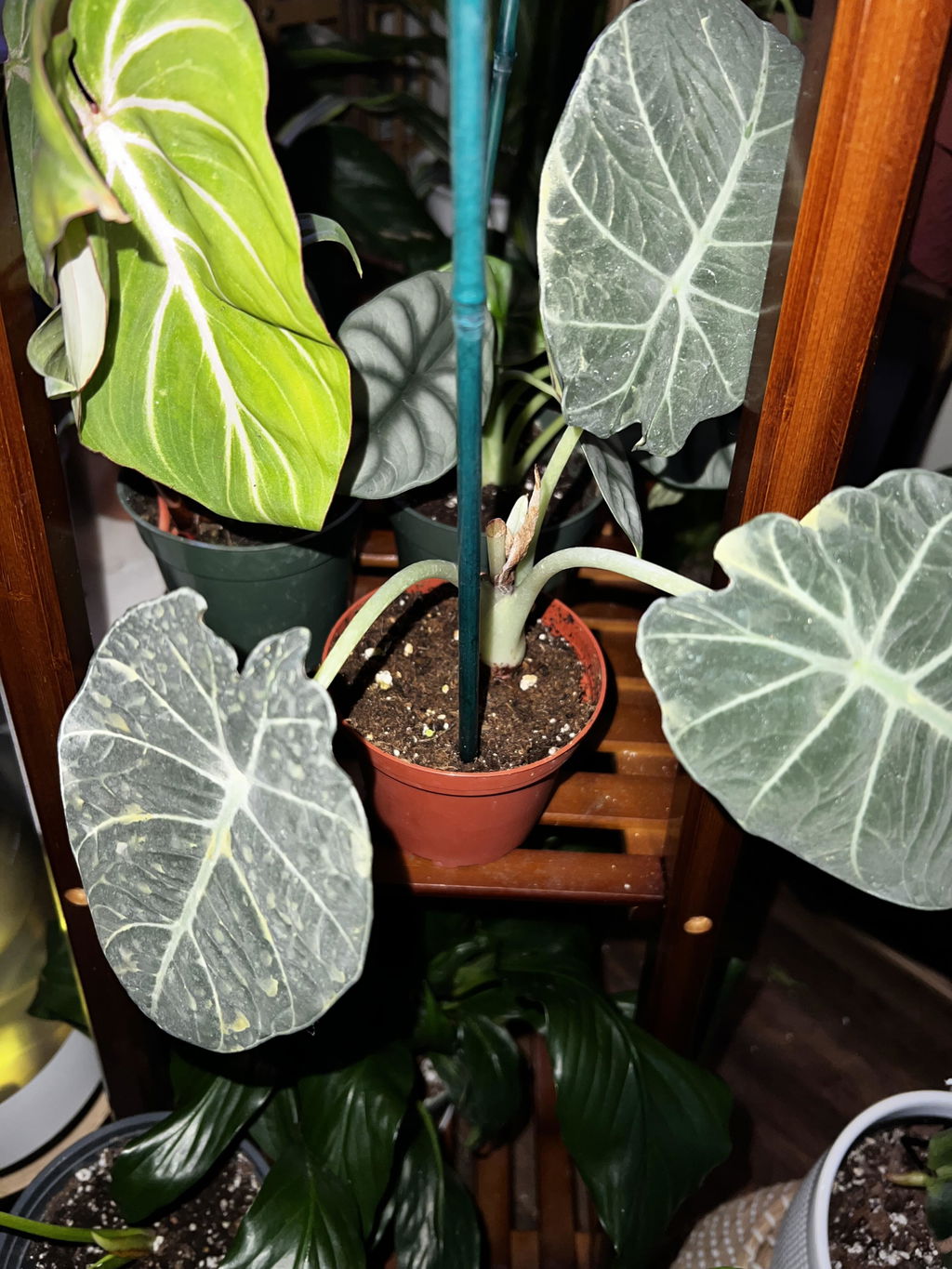
Came in amazing condition and quickly. She settling in nicely with her buddies. Absolutely love her!
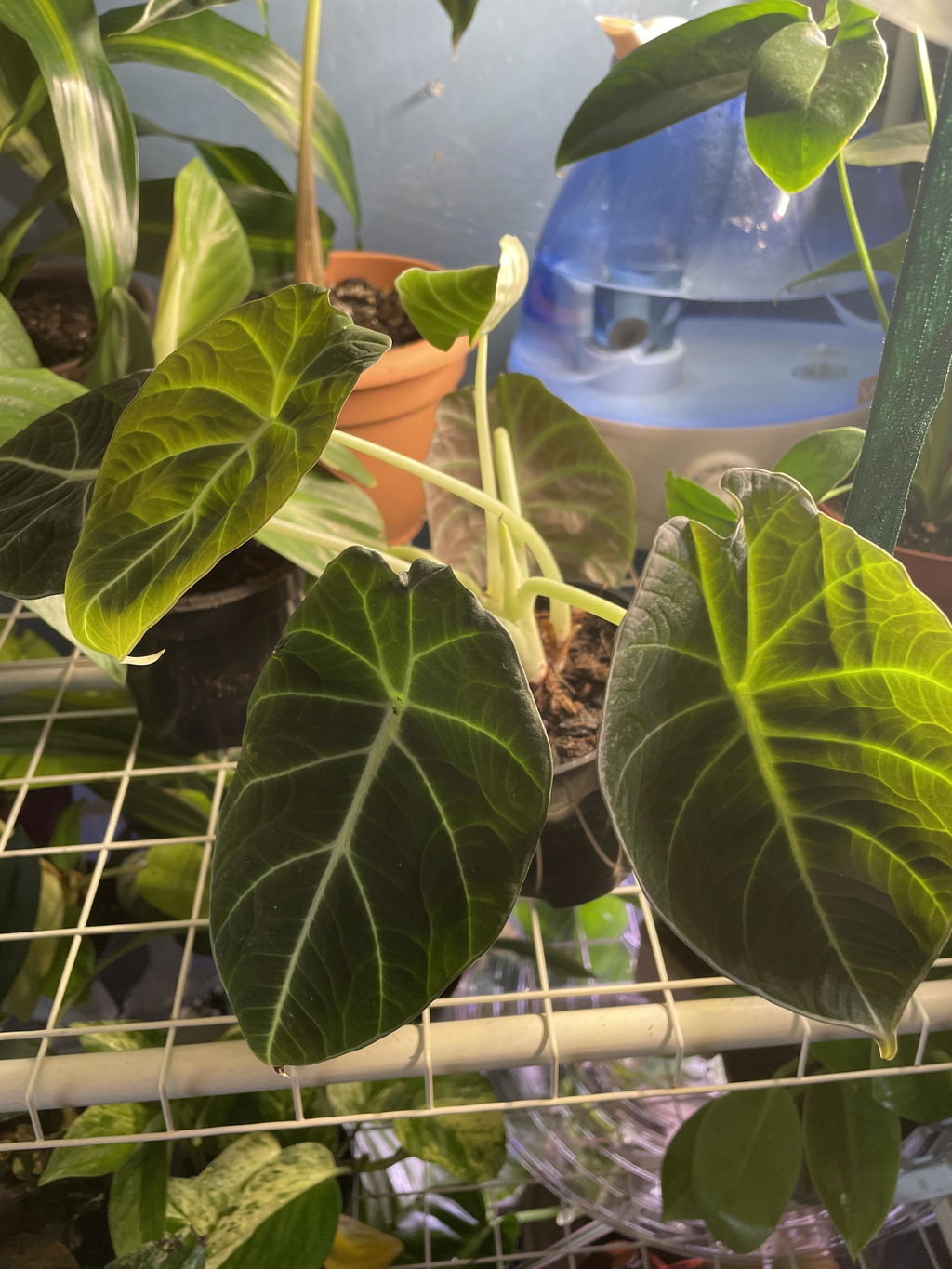
Beautiful! Has a couple leaves that are yellowing but still a gorgeous plant!
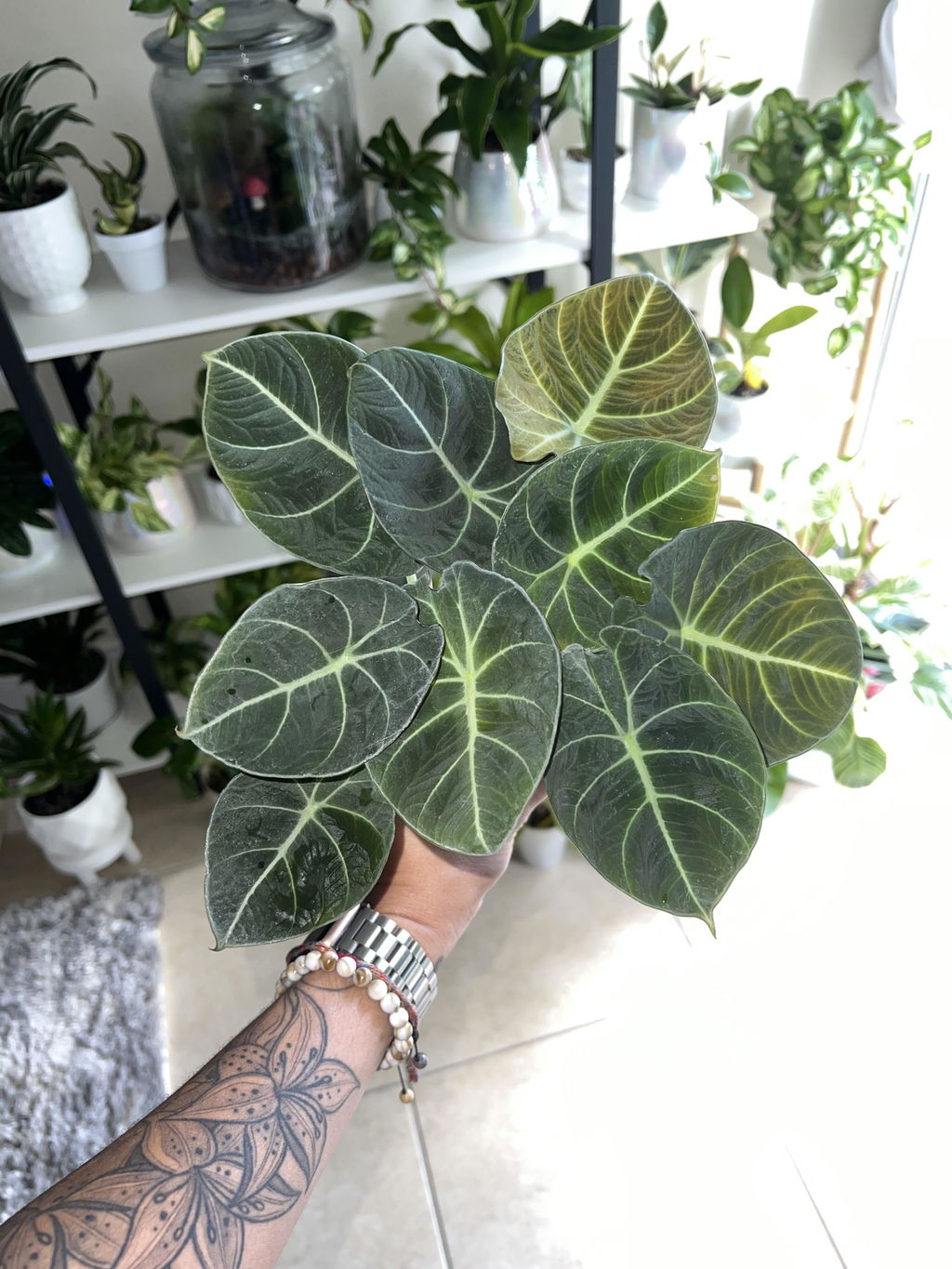
I got two of these beauties. They arrived in great condition, even given the extreme heat in my state.
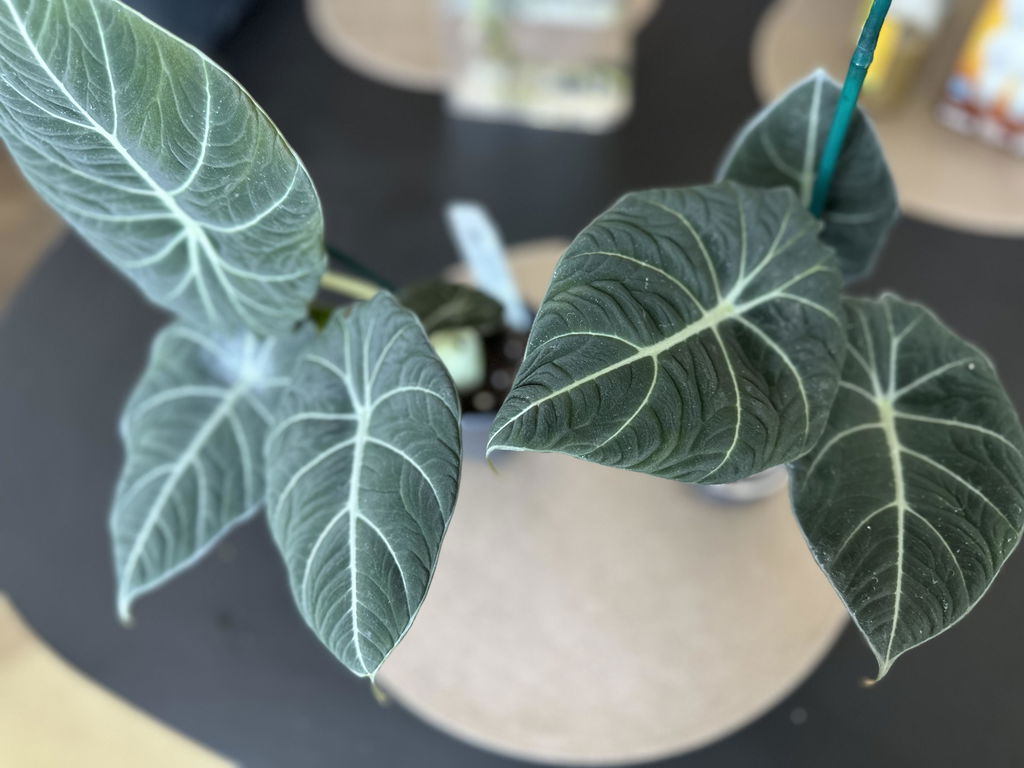
I’m in love with my black velvet alocasia. The packaging was pretty and the delivery was great!
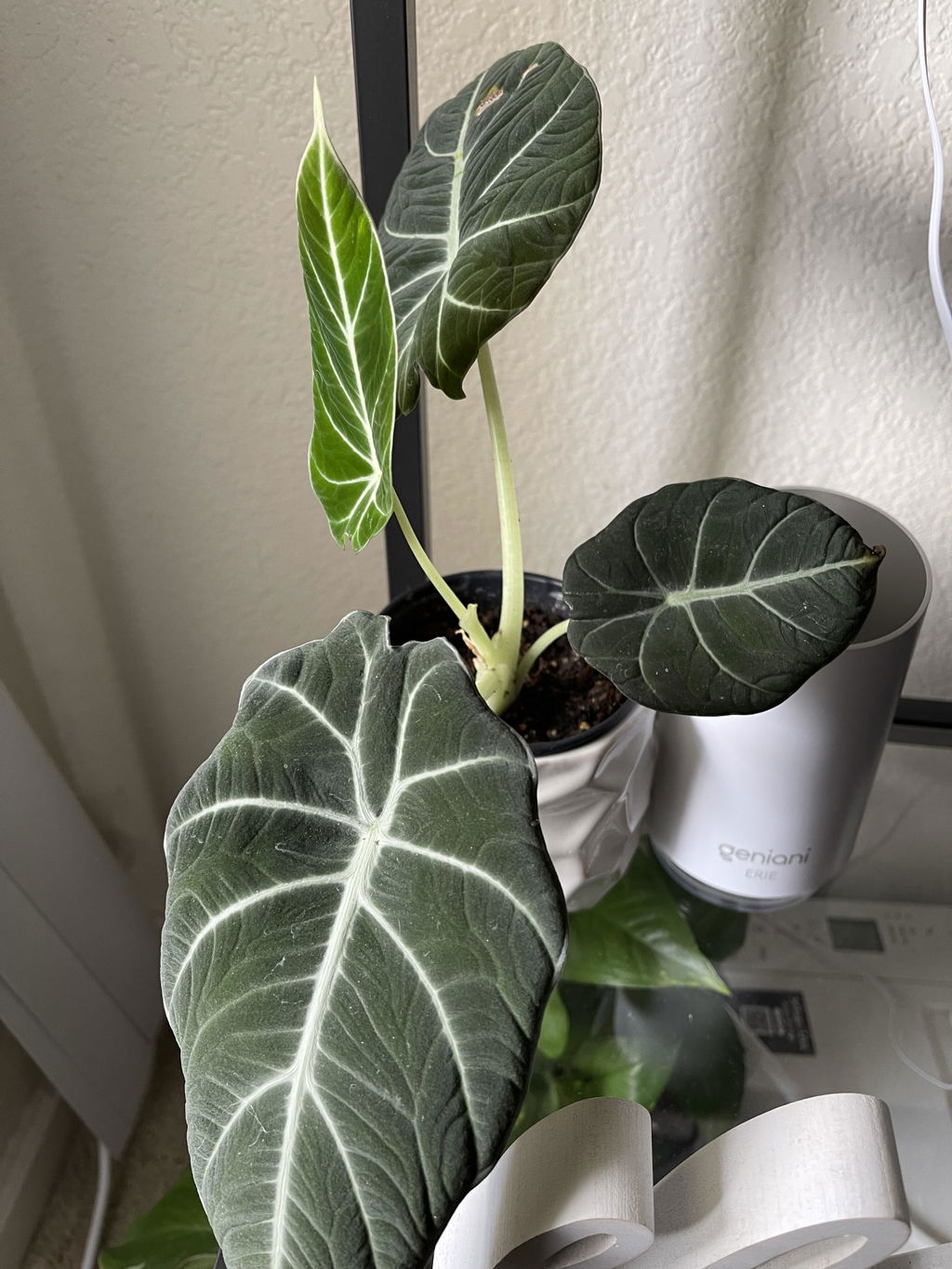
OMG let me say I am obsessed! My plant arrived in great condition and beautiful! Definitely buying more
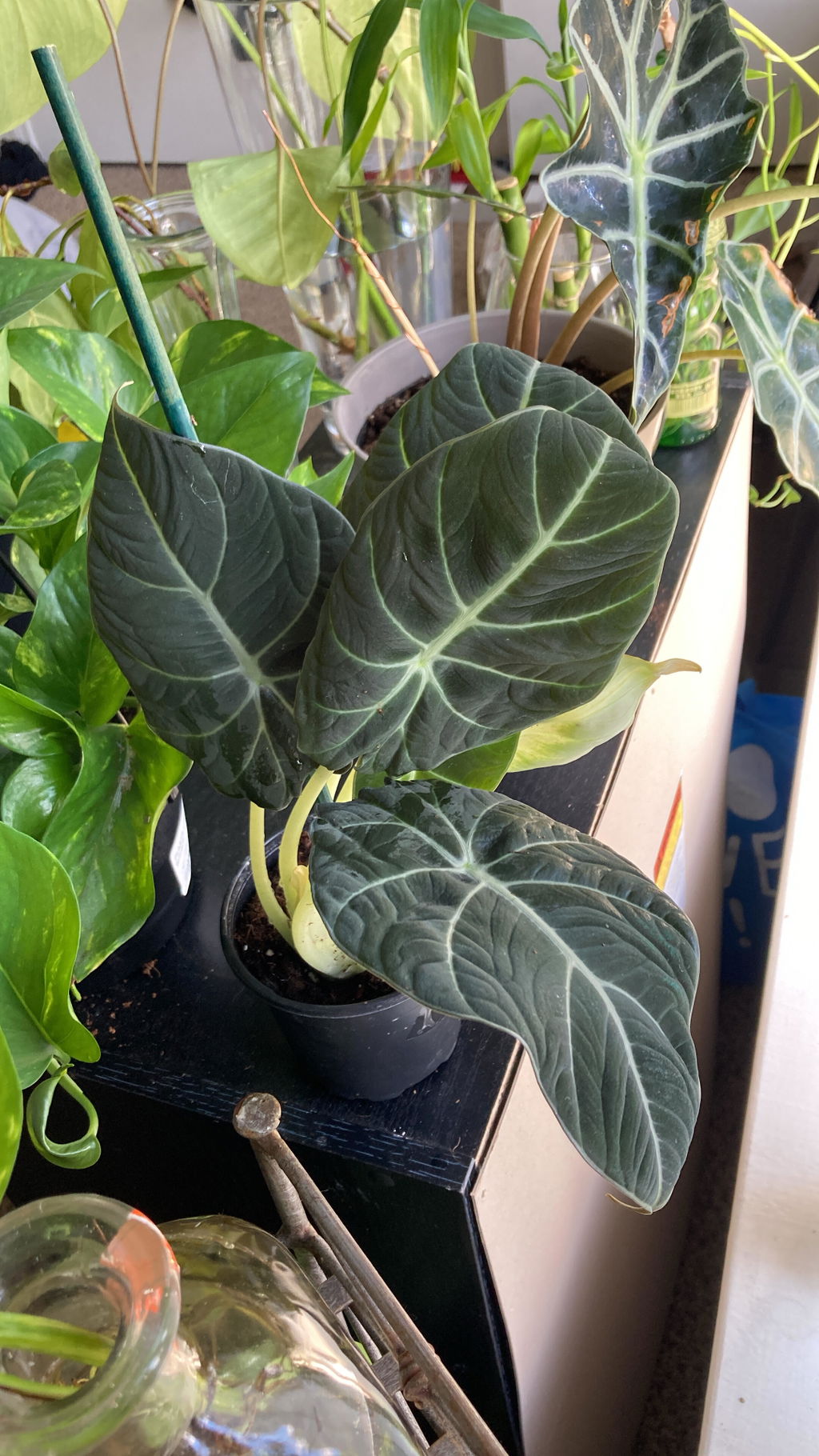
I was very impressed about how fast I received my plants .. The way the packed my plants was so professional, very impressed I got it in perfect conditio, love it.
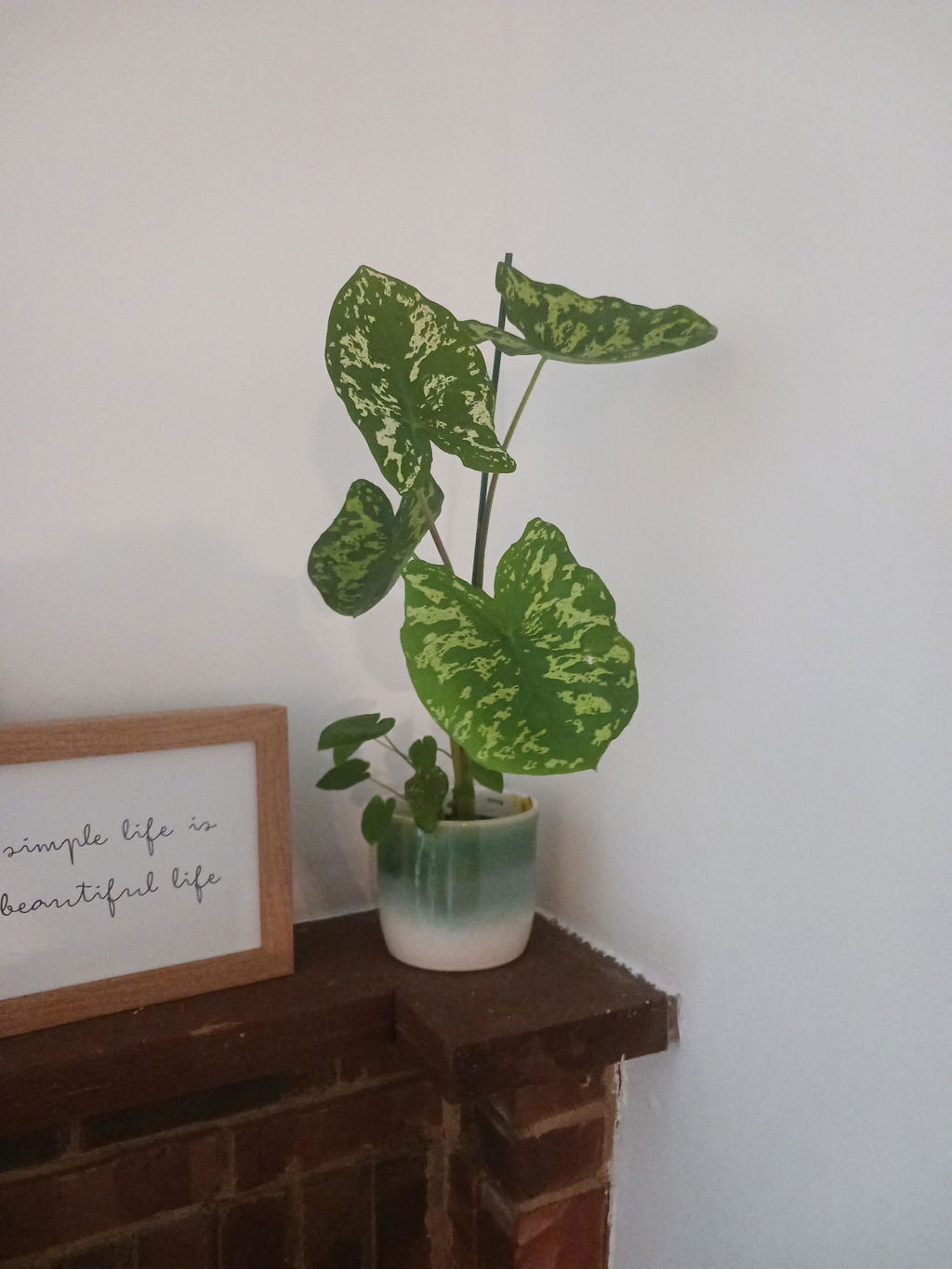
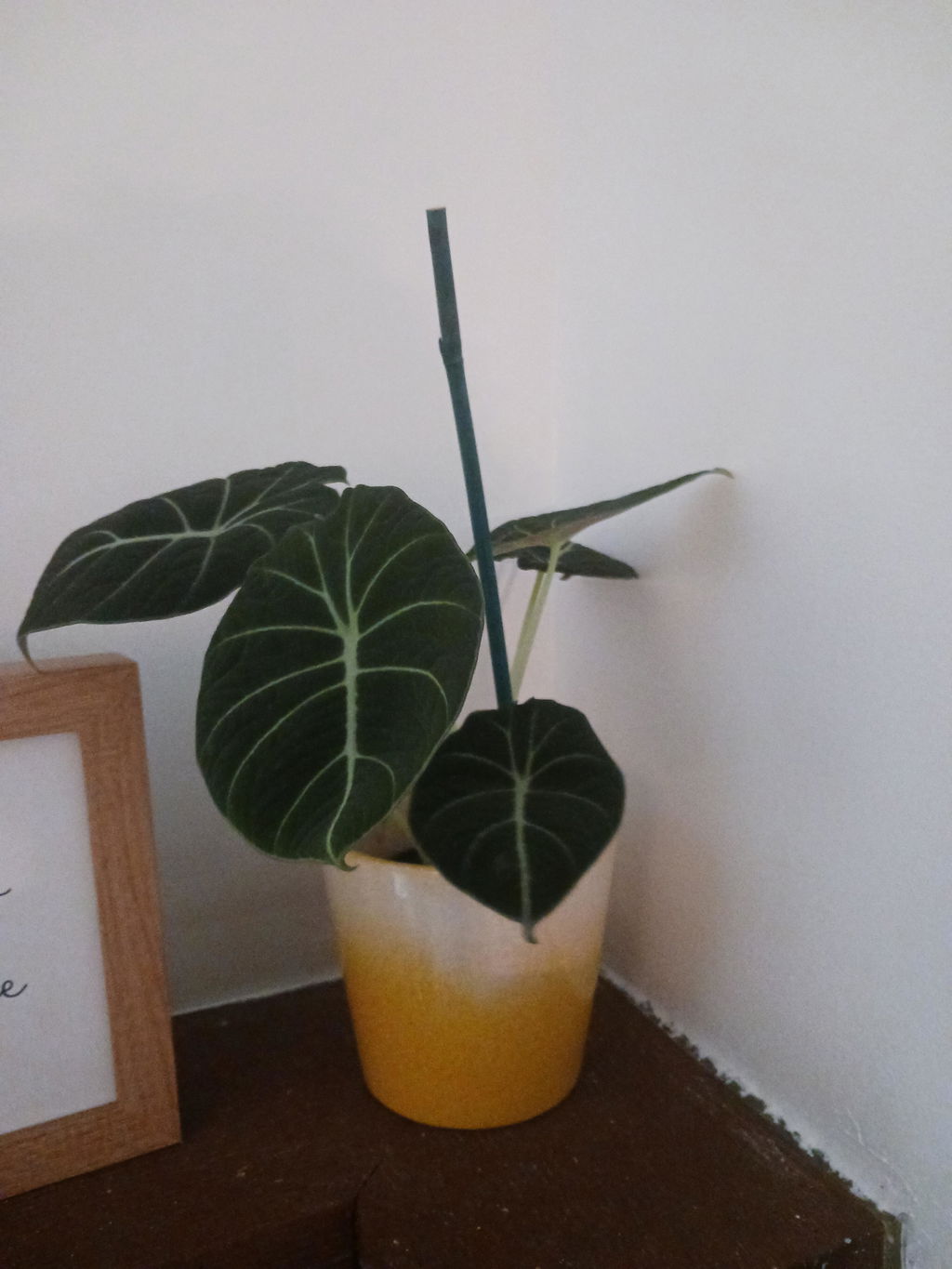
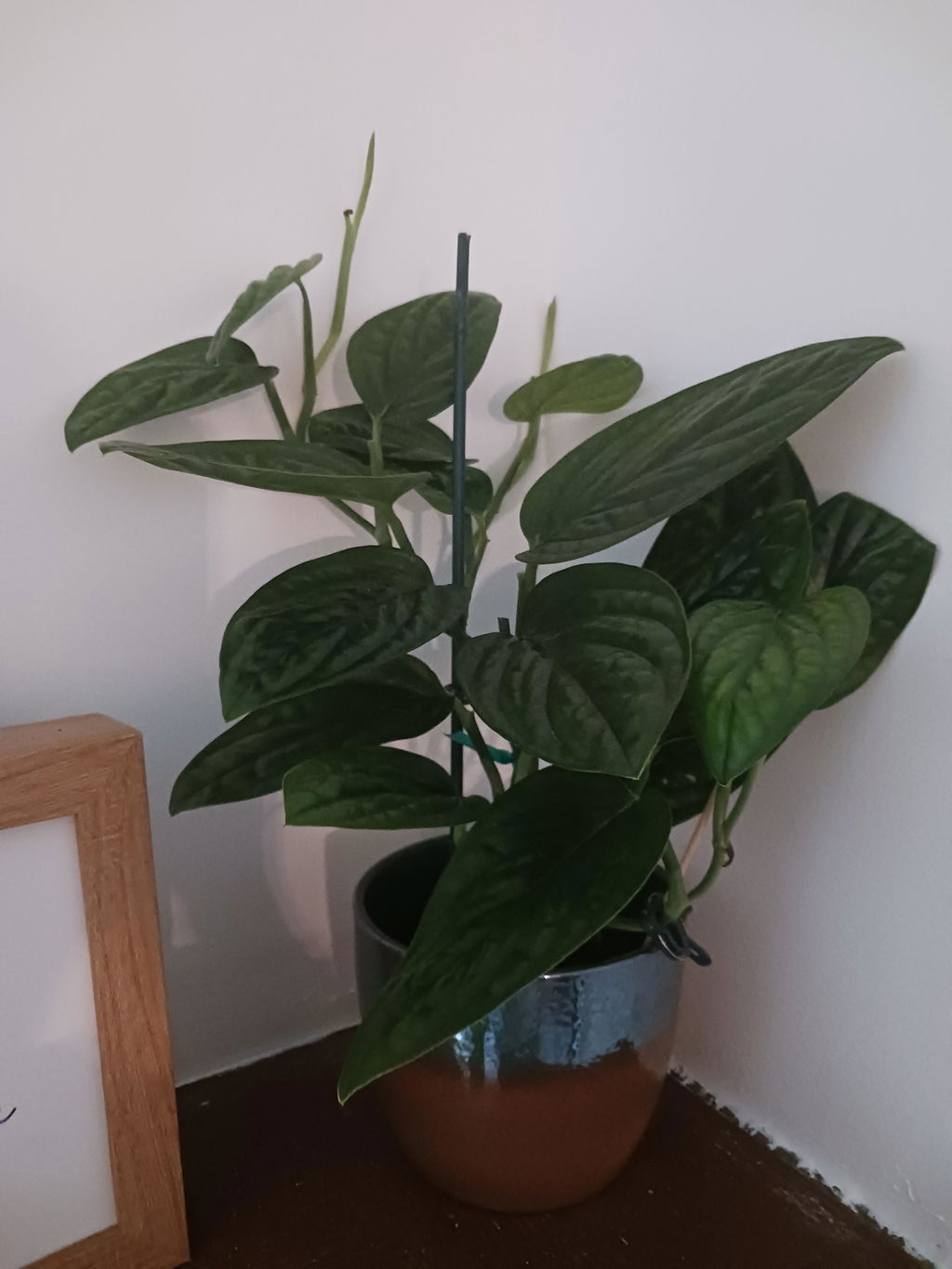
Very healthy with five leafs and one new shut coming up. Very pleased.
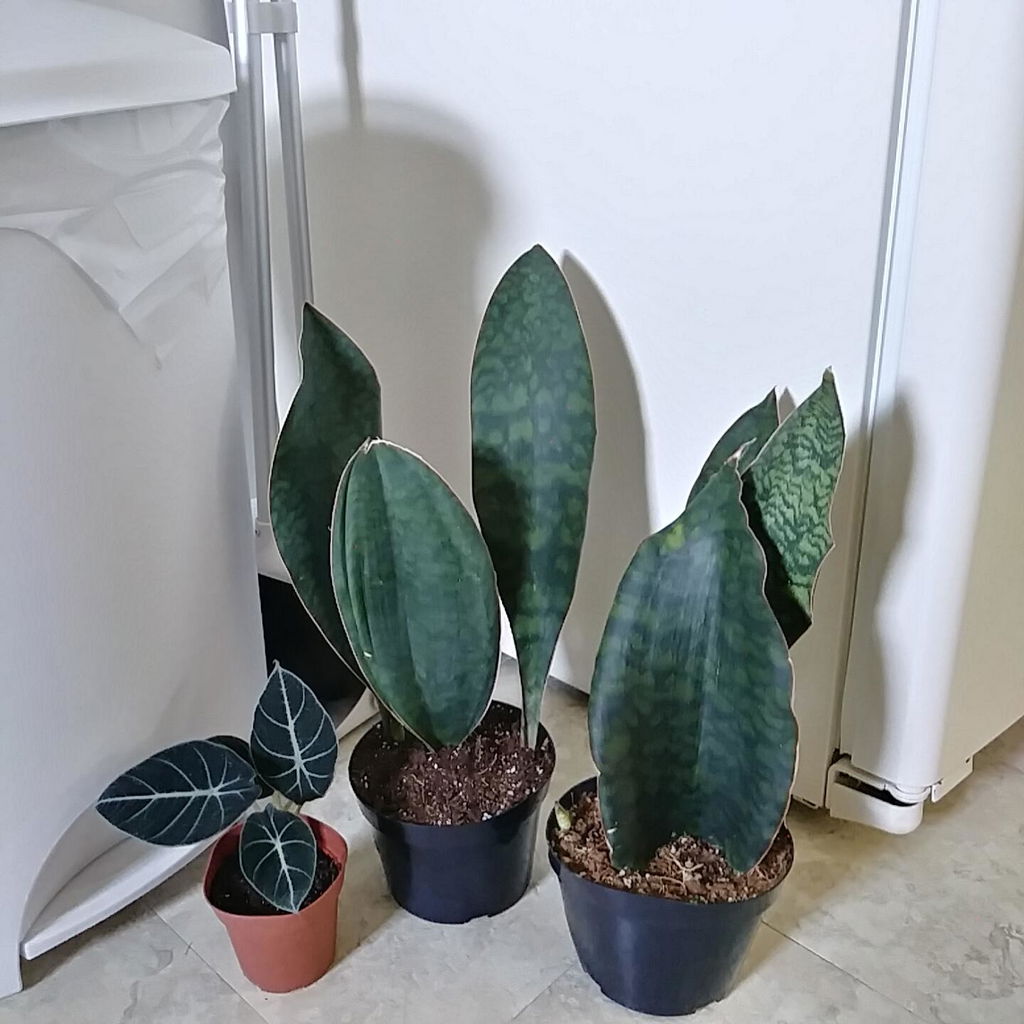
This has been one of my dream plants for a long time, and Canopy Plant Co. made dreams come true!
The plant is super healthy, it was packaged very well, and arrived with zero damage. I'll definitely keep my eye on it to ensure it remains healthy, but this was a big win for my plant collection <3
Lovely plant with new growth already! Arrived in great condition.
Delivery took 4 days, plants were packed great. The Black Velvet is putting out leaves, the Stingray is having a time acclimating, but is coming along nicely. I will be ordering again.
It arrived in perfect condition and is doing very well!
Packaged with love and care. Healthy and Lucious plants
This is my first alocasia, and it arrived very healthy! It even has a new leaf already
Came well packaged, and is absolutely beautiful!
I recently purchased a couple plants from Canopy & I’ll definitely be purchasing more! I’ve been searching for a black velvet from a respected seller and I’m so glad I went with this company! It showed up beautifully packaged and was even producing new leaves!
I absolutely love my black velvet! This plant came healthy and is already showing new growth. Packaging was top notch.
As per the usual, Canopy Plant Co came through!!! I have bought a couple of these from our local nursery and they haven't faired so well and only had two leaves. The Canopy one looks great from the jump - 4 leaves, no browning tips, healthy and plump leaves. I have a feeling I will do better with the new plant because it started off in great condition.