

4" Ficus ‘Ruby’
-
Live Plant Guarantee
7-day live plant guarantee
-
Expert packaging
Safe and secure
-
Grown in Florida
High quality
-
12,000+ reviews
Loved by plant people
Pickup currently unavailable at Canopy HQ
Care
Care
 Bright indirect light
 Allow soil to dry almost completely
Ficus Ruby — botanically Ficus elastica — is one of the most colorful and eye-catching members of the Rubber Tree family. Unlike the deep burgundy of Ficus elastica ‘Burgundy’ or the cream-and-green of ‘Tineke’, Ruby takes variegation to another level: its leaves emerge with vivid pink, cream, and green tones that hold their color as the leaf matures, particularly along the margins. The result is a plant that looks almost painted — a genuine focal point in any room.
Ficus Ruby is an upright, tree-forming species that grows steadily into a striking floor plant over time. It’s a bold choice for bright spaces and pairs beautifully with neutral interiors where its colorful foliage can take center stage.
Care guide: Bright indirect light is essential for maintaining the pink and cream variegation — insufficient light causes new leaves to emerge with less color. Plant in a well-draining mix rich in organic matter. Allow the soil to dry out almost completely between waterings; do not allow it to sit in excess water. Avoid placing near cold drafts, air vents, or heating sources, as Ficus are sensitive to temperature fluctuations. Consistent conditions = a happy, stable plant.
Additional information:
Ficus, commonly referred to as a "Fig" or "Rubber tree", is a large genus of plants that number over 800 different species. They are found on almost every continent and range from tropical to semi-temperate climate zones.
Ficus generally grow as shrubs and trees but some also grow as vines and epiphytes.
The more traditional Ficus that are commonly cultivated as house plants are the Elastica species, like Tineke and Ruby.
Most Ficus prefer to dry out between watering. They prefer bright indirect light and some species thrive in direct sun.
Sizing information:
Plants are living organisms, so each one is unique and may vary slightly in size, fullness, color, and maturity depending on the season, growing conditions, and current availability. We do our best to match the product photos and descriptions as closely as possible while ensuring you receive a healthy, high-quality plant.

She was so big and healthy! The color on her is interesting. It will break up my collection in a good way! I was glad that she looked the way she did because I was a little skeptical about getting one. All of her leaves are healthy.
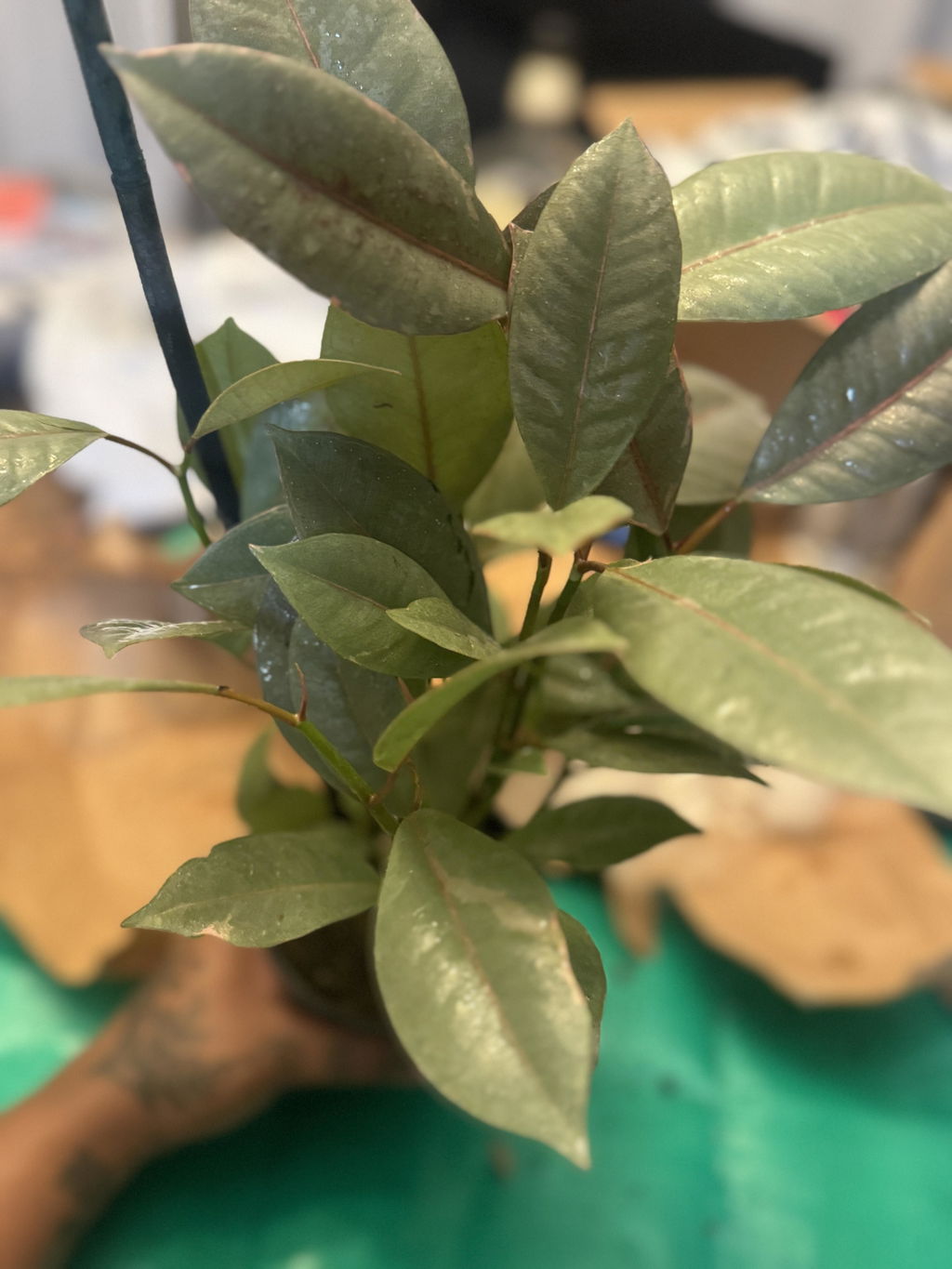
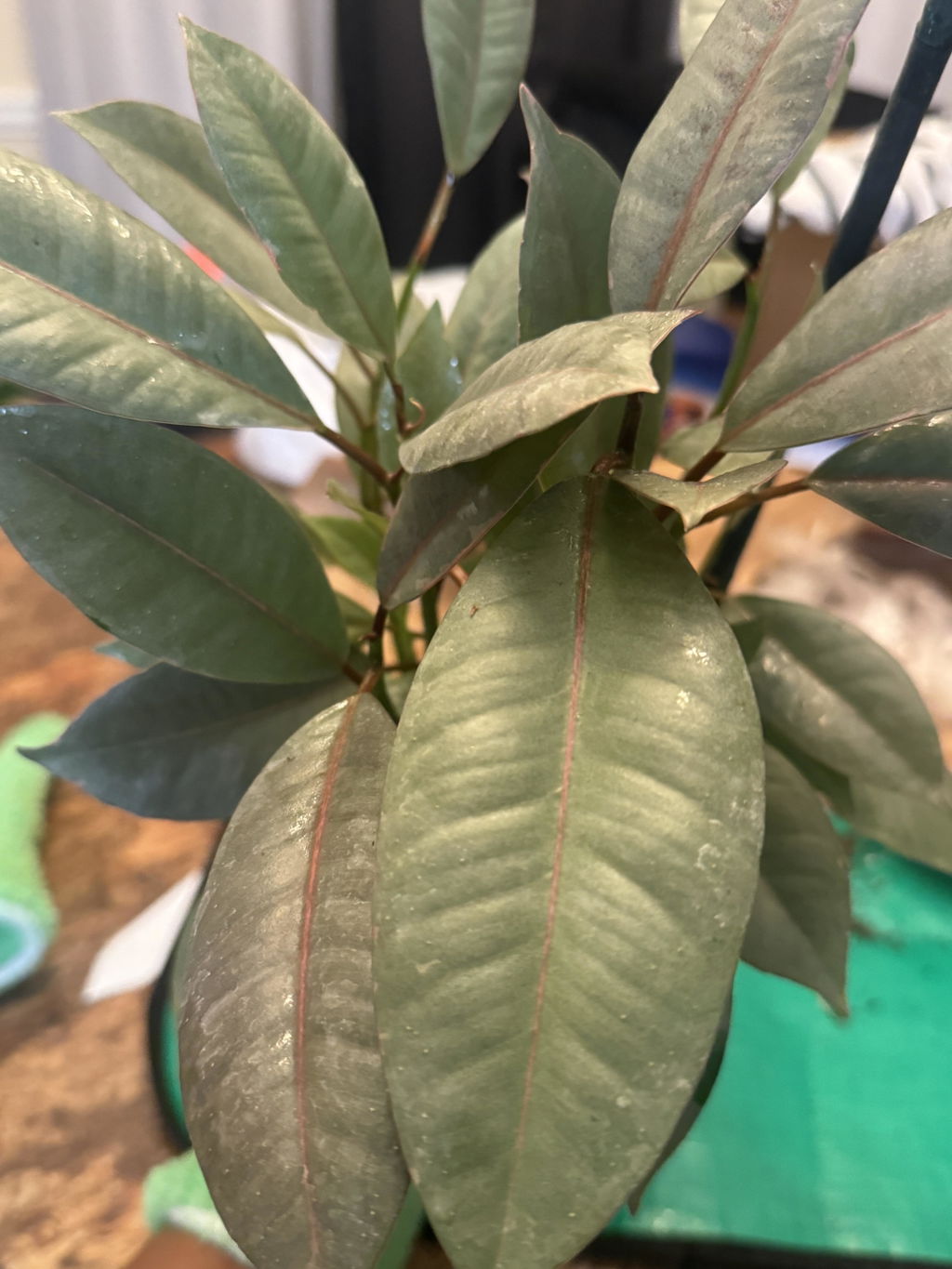
Arrived in good condition with new growth.
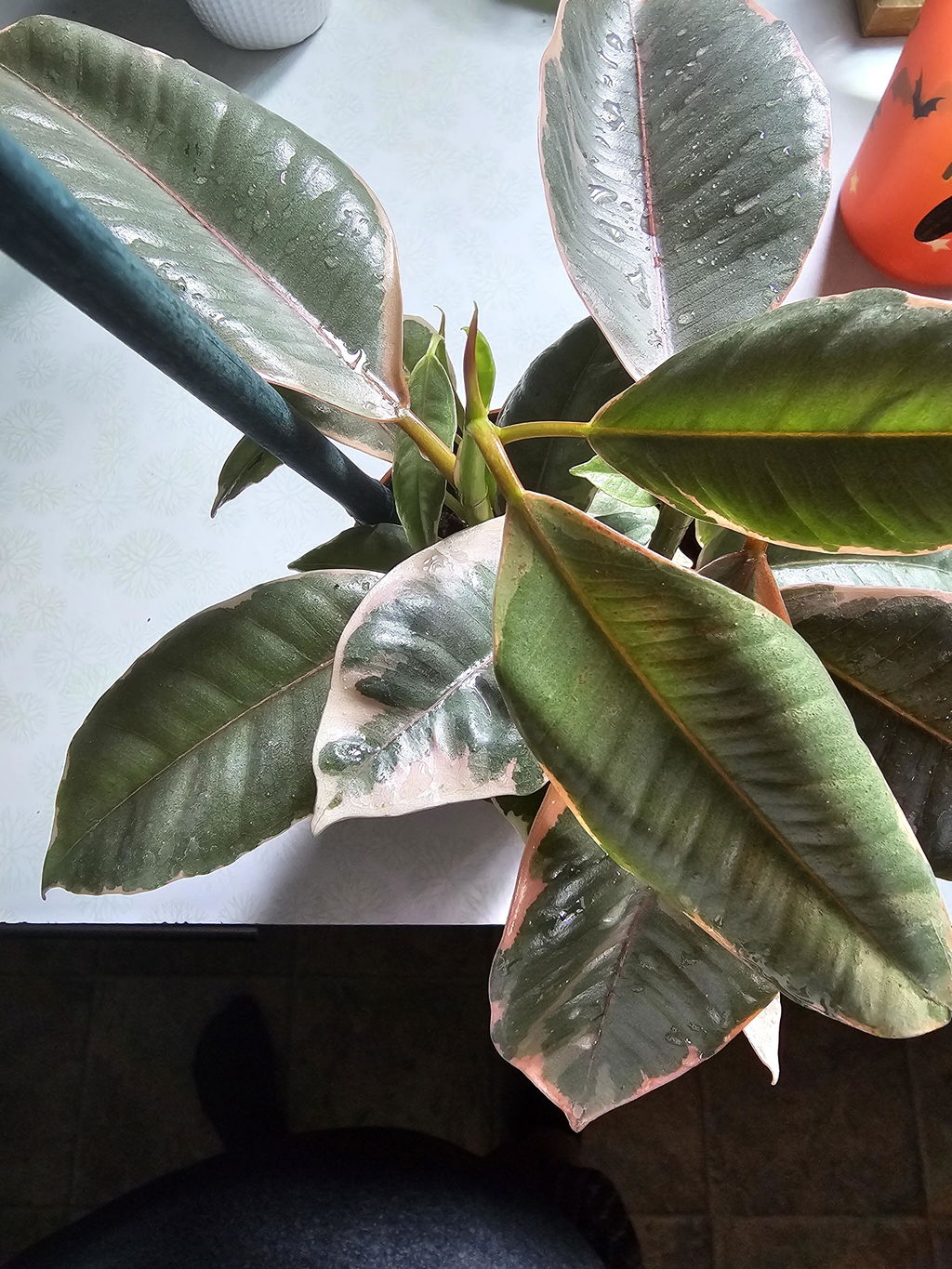
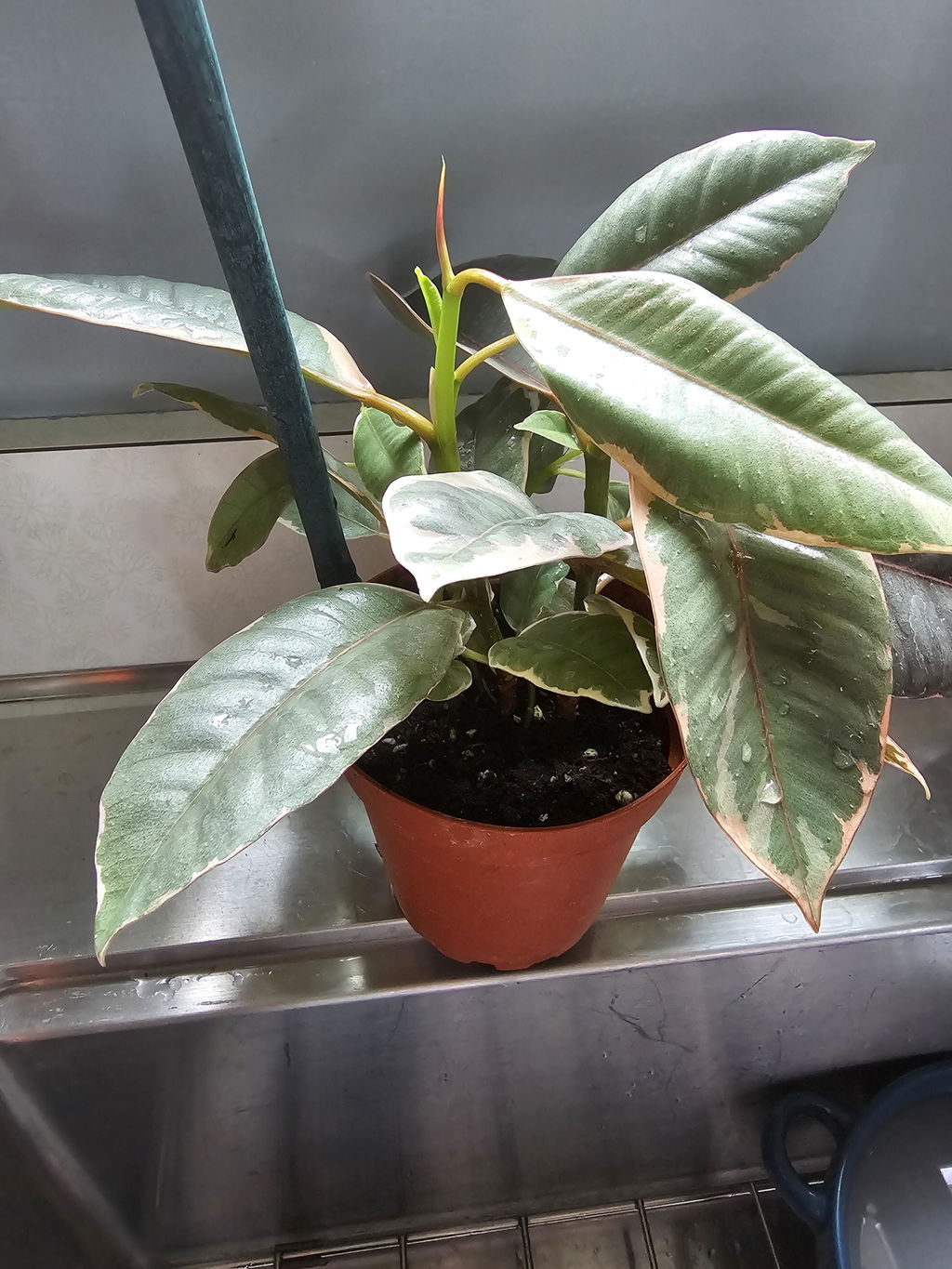
This was my first order and I was skeptical as to what the quality would be. This little plant changed all that. It arrived packaged very well. I unwrapped it and it looked a little sad but healthy with new growth. I waited a week to repot it and now it seems very happy. It has sprouted a new leaf and another is growing. I am very happy with this plant.
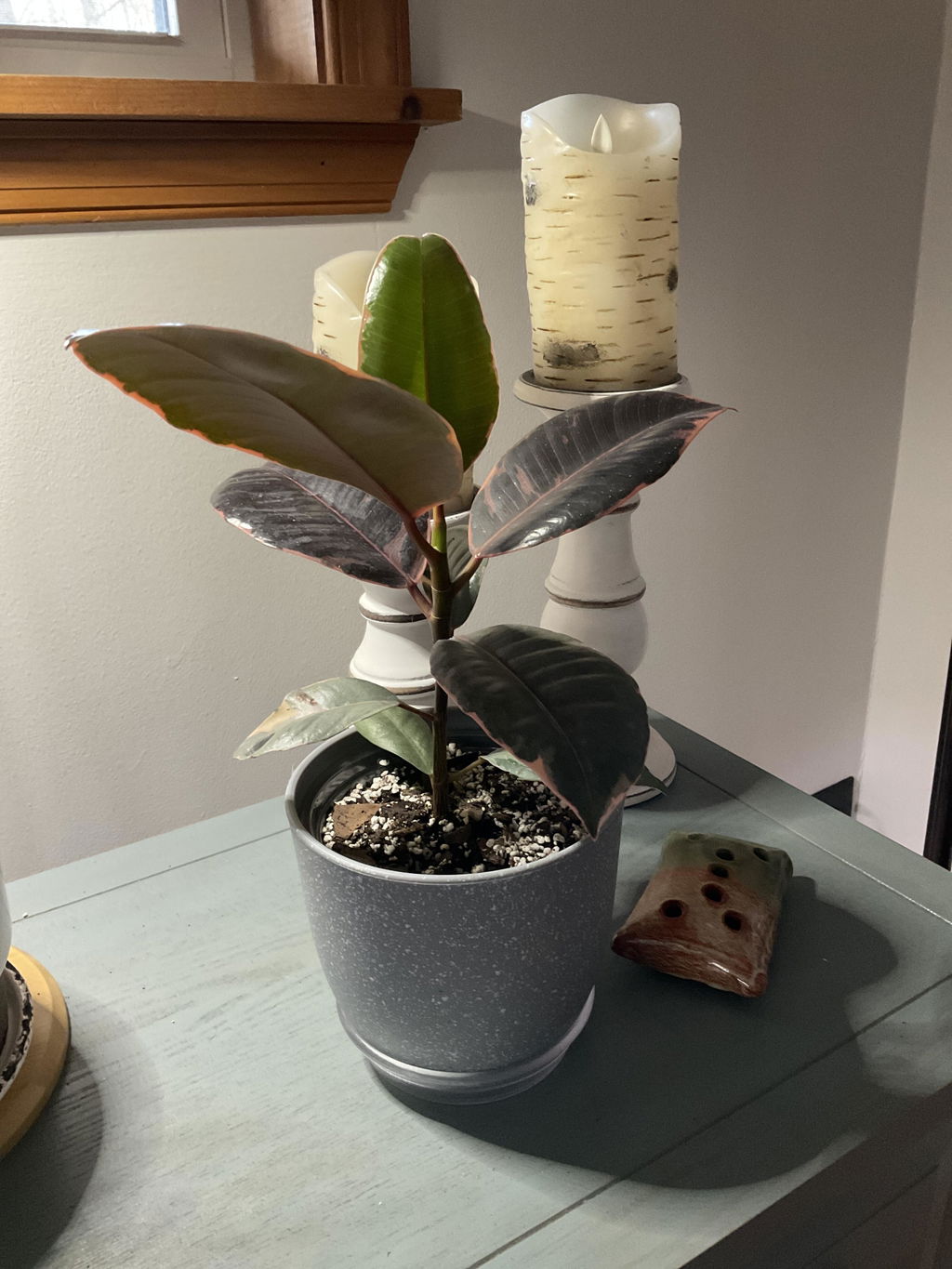
Such a beautiful plant!
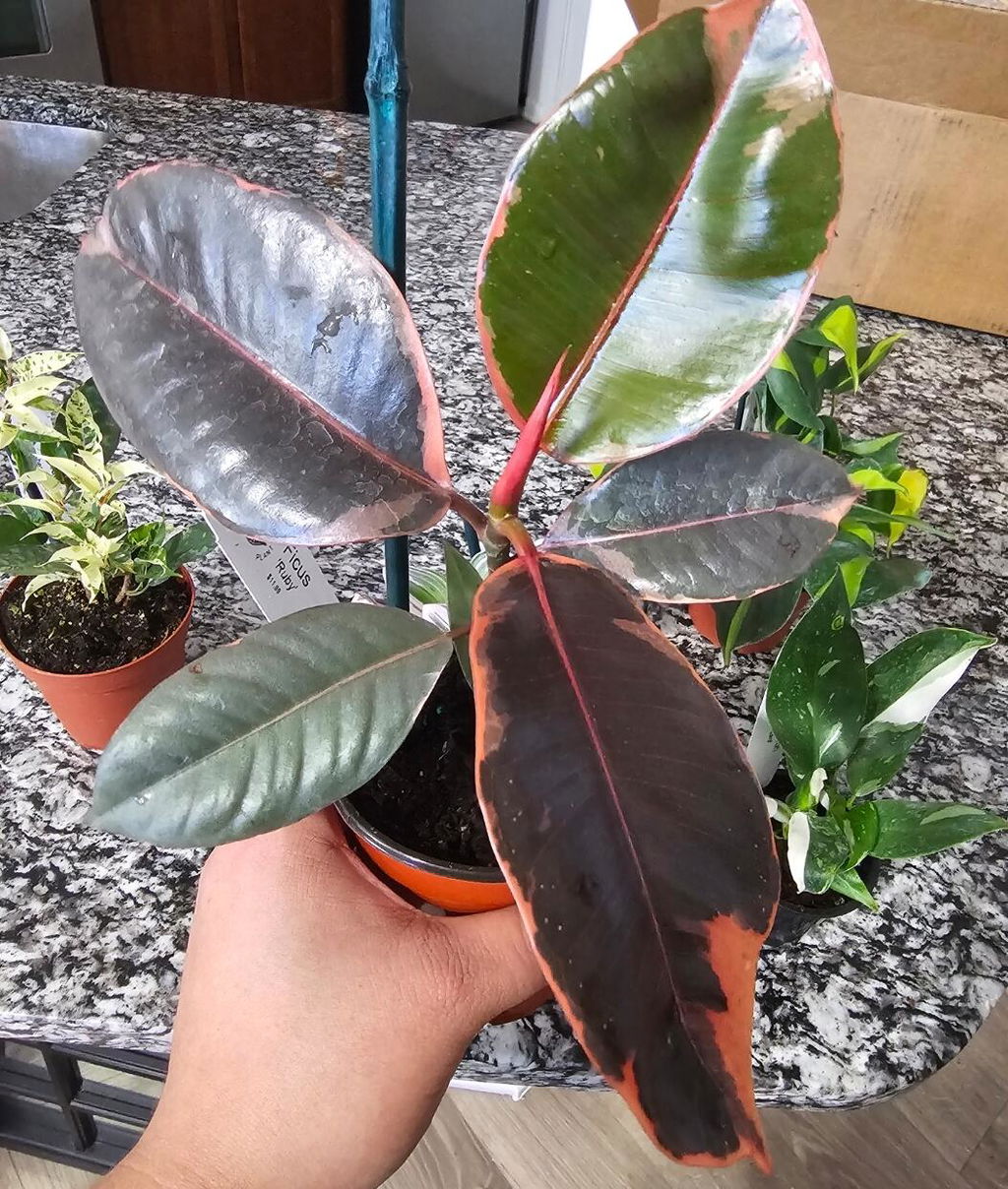
It’s easily a foot tall and came VERY healthy and pest free. I have absolutely zero complaints!
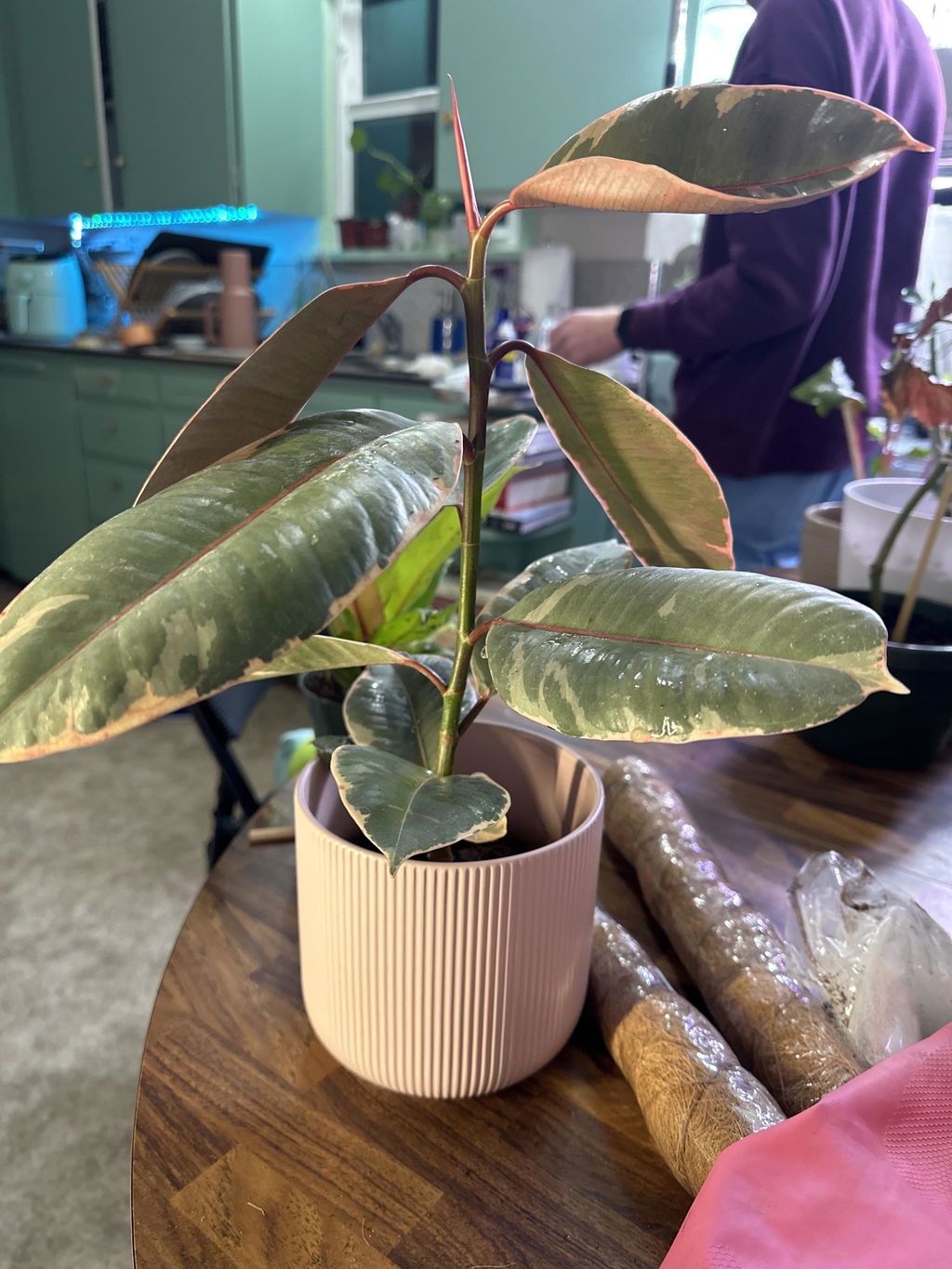
Such a gorgeous plant! Don't be fooled by it's size - it's a lot of plant for 4"!
Very satisfied with my purchases! Packaging was great! Will absolutely buy again!
We are so thrilled to hear that you are loving your purchases! Thank you so much for your positive feedback about our packaging. Looking forward to sending you more amazing plants in the future 😊
Arrived in excellent condition and as pictured. As always, Canopy doesn’t disappoint! She’s healthy, full, and affordable!
That’s what we love to hear! So glad she arrived looking just right — thanks for the awesome support, as always! 😊
Doing very well so far.
Great to hear it’s doing well! Wishing you and your plant lots of happy growing ahead! 😊
This little plant is so sweet and I love the color on the leaves. I received it quickly and it was well packaged with no damage to leaves. Thank you!
I love my Ficus Ruby. She arrived quick, healthy and packaged well. I'll certainly be back for more.
Such a nice plant! I’ve had it for two weeks and it’s already putting out new leaves.
I was expecting something small in a 4" pot, but this Ruby is a good 12" tall and well-developed! Super happy with this purchase.
I purchased a ficus from my wishlist for such a great price from this website along with a few other plants as well. I was happy with it being so small bc I'm limited on space at the moment but wanted this little tree to grow with me in life. To my surprise when I opened the package it was a bit larger than I expected but I wasn't mad at that either. I received every one of the 5 plants I ordered in the same box and no dirt spilled out anywhere. Plus I love how they use they packing peanuts that you can dissolve in your sink, my kids just think those are the coolest thing ever. I see some in the comments complaint about packaging waste but I had to mention they use those kinds of packing materials that are better for our environment. 👍 All of my plants are healthy and have been thriving, especially the beautiful ficus I purchased. If you're interested and reading this as well, I recommend you purchase from here as well. I even sent plants to my 2 sisters who live in 2 different states to introduce them to this awesome website bc I knew just mentioning someone and sending a link was not enough. They're both hooked now too!
Great healthy plant - doing well and growing large months later!
Came in perfect condition, and I have a new leaf unfurling already!
Beautiful, tall, and healthy! New growth at the top. Vivid coloration. Thank you so much!
Great plant
This plant arrived thriving and is completely beautiful 😍